For active adults, recovering from a stubborn muscle or tendon problem is often less about simply waiting for pain to disappear and more about rebuilding tolerance to movement. Returning too quickly can aggravate irritated tissue, while avoiding activity for too long may contribute to stiffness, weakness, and reduced confidence.
That is why a return-to-activity plan often combines symptom management with gradual movement, strengthening, and tissue loading. In some cases, shockwave therapy may be used as one part of that broader process.
For adults in Davison, MI who want to get back to running, recreational sports, gym training, yard work, or other physically demanding routines, understanding how treatment fits into recovery can be more useful than looking at pain relief alone.
Why Is Returning to Activity a Gradual Process?
Muscles, tendons, and connective tissues need time to adapt after irritation or injury. Even when discomfort begins to improve, the tissue may not yet be ready for its previous workload.
A person with persistent Achilles tendon discomfort, for example, may feel better during normal walking but still experience symptoms when returning to hills, running, or jumping. Someone recovering from shoulder pain may tolerate everyday reaching before being ready for heavier lifting.
A structured return-to-activity plan usually progresses from easier movements to more demanding ones. The goal is to increase activity without repeatedly triggering significant symptom flare-ups.
This approach allows the body to rebuild tolerance instead of treating pain reduction as the only sign of recovery.
Where Can Shockwave Therapy Fit Into the Plan?
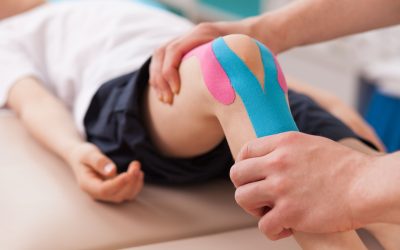
Shockwave Therapy For Pain Relief may be considered for certain persistent soft-tissue conditions, particularly when symptoms involve tendons, muscle attachment sites, or areas that have not responded as expected to rest and basic activity modification.
Shockwave therapy delivers mechanical pressure waves into targeted tissues. These waves create a controlled mechanical stimulus that may influence local circulation, tissue activity, and the body’s healing response.
The treatment does not replace progressive exercise or rehabilitation. Instead, it may be used alongside movement-based care when persistent discomfort is making it difficult to advance activity.
For some patients, reducing sensitivity in an irritated area can make it easier to participate consistently in strengthening and mobility work.
Why Is Pain Relief Only One Part of Recovery?
Pain can limit activity, but the absence of pain does not automatically mean full recovery.
A tendon that feels comfortable at rest may still lack the capacity to handle repeated loading. Similarly, a muscle injury may feel improved during everyday movements but become irritated once speed, resistance, or repetition increases.
That is why treatment plans generally need to address several factors, including:
- Mobility
- Strength
- Coordination
- Tissue tolerance
- Gradual loading
- Recovery time
- Movement technique
Shockwave therapy can potentially help manage symptoms, but rebuilding capacity is what helps a person return to activity more confidently.
How Does ESWT Treatment Work With Exercise?
ESWT treatment, or extracorporeal shockwave therapy, is often used as part of a broader conservative care strategy rather than as a stand-alone solution.
Exercise and shockwave treatment serve different purposes.
Shockwave therapy provides a mechanical stimulus to the affected tissue. Exercise then exposes the area to controlled loads that encourage adaptation and improved function.
For example, someone dealing with persistent plantar fascia or Achilles tendon irritation may receive treatment while also performing progressive calf strengthening, mobility work, and gradually increased walking or running activity.
The exact combination depends on the condition, how long symptoms have been present, and the person’s current activity level.
How Can Activity Be Increased Safely?
A return-to-activity plan is usually based on progression rather than an immediate jump back to normal training.
An active adult recovering from a lower-body issue may begin with walking before progressing to faster walking, light jogging, and eventually higher-impact exercise. Someone with a shoulder problem may move from basic range-of-motion exercises to resistance work before returning to heavier training.
Symptoms during and after activity can provide useful feedback.
Mild temporary discomfort does not always mean a setback, but significant pain that continues or worsens afterward may indicate that the workload increased too quickly.
A chiropractor or other musculoskeletal provider can help evaluate these patterns and determine whether activity should be modified.
Why Does the Type of Injury Matter?
Not every painful condition responds to the same treatment strategy.
Muscle strains, tendon problems, joint irritation, nerve-related symptoms, and spinal conditions can produce overlapping symptoms even though their underlying causes differ.
This is one reason an assessment is important before beginning shockwave therapy or modifying physical activity.
For example, pain near the hip could come from surrounding tendons, muscle tissue, the joint itself, or even referred symptoms from the lower back. Treating the wrong structure may not address the actual problem.
A provider offering family chiropractic services near Davison may therefore look at movement, symptom history, tenderness, strength, and other findings before recommending a specific approach.
When Should an Active Adult Consider Professional Evaluation?
Persistent discomfort deserves more attention when it repeatedly interferes with activity or continues returning despite reasonable rest and gradual exercise.
It may also be helpful to consult a chiropractor near Davison when symptoms affect mobility, strength, sleep, or everyday tasks, or when it is unclear what type of tissue is involved.
Evaluation can help determine whether shockwave therapy, chiropractic care, rehabilitation exercises, activity modification, or another conservative approach is appropriate.
Returning to Activity With a Broader Strategy
Shockwave therapy can be useful in a return-to-activity plan when it is matched to the right condition and combined with gradual rehabilitation.
For active adults in Davison, MI, the larger goal is not simply to quiet symptoms temporarily. It is to restore enough strength, movement, and tissue tolerance to return to everyday exercise and recreation without repeatedly restarting the recovery process.
That usually requires a combination of appropriate treatment, progressive loading, realistic pacing, and attention to how the body responds as activity increases.