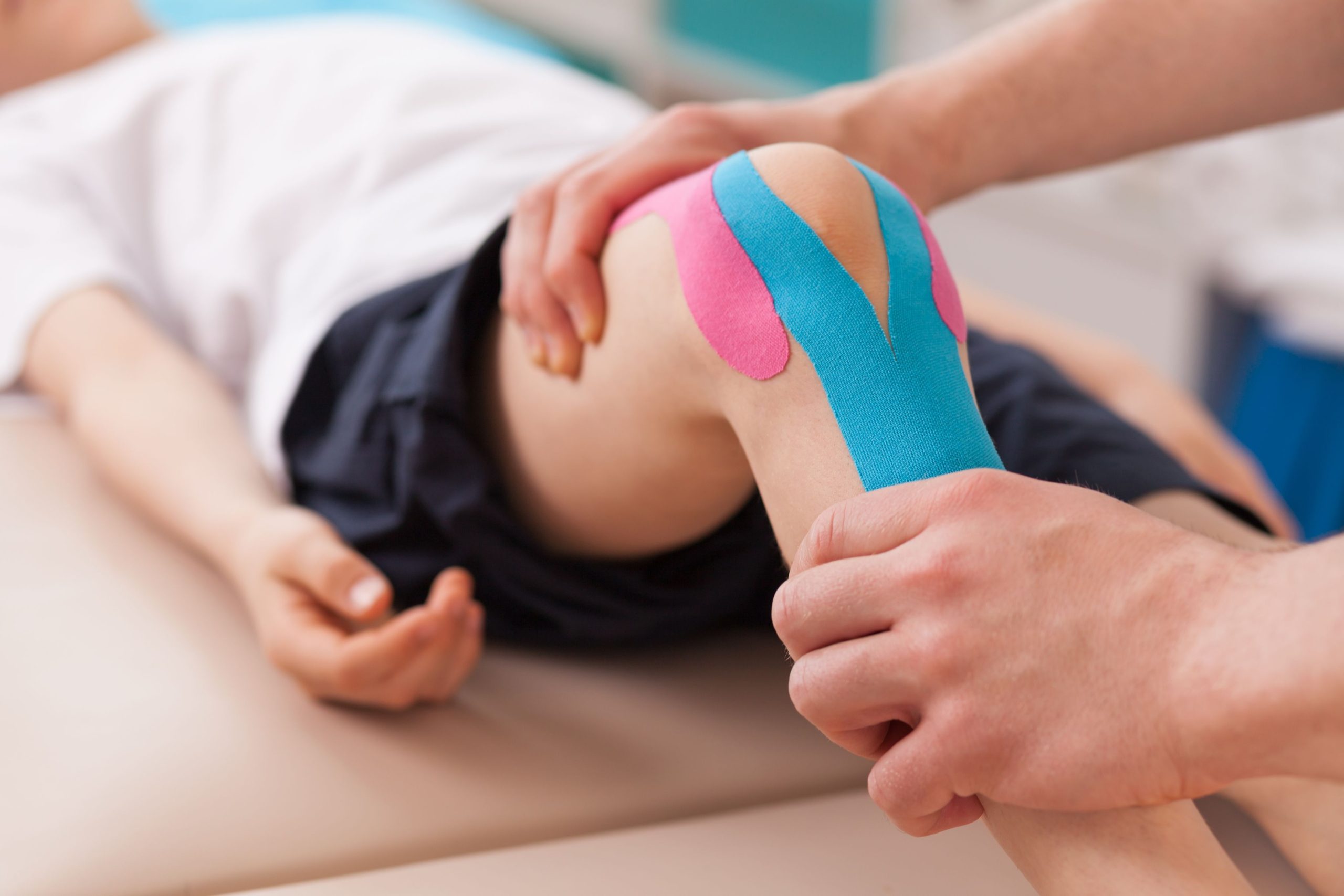
Tendons, ligaments, and cartilage all help joints function, but they do not respond to stress in the same way. Their structure, blood supply, mechanical role, and ability to adapt all influence how each tissue handles repeated movement, loading, and recovery.
For people in Arnold, MO, understanding these differences can make joint symptoms easier to interpret. A holistic practitioner may look beyond the location of discomfort and consider which tissues are likely being stressed, how the joint is being used, and whether movement patterns are affecting surrounding structures.
What Do Tendons Do?
Tendons connect muscle to bone. Their main job is to transfer force produced by muscles so a joint can move.
Because tendons are constantly exposed to tension, they are designed to tolerate pulling forces. Walking, lifting, running, climbing stairs, and reaching all place load on different tendons throughout the body.
Tendons can adapt to repeated activity over time, but the amount and rate of stress matter. A sudden jump in training volume, repetitive work, or unusually heavy activity may place more demand on a tendon than it is accustomed to handling.
Tendon discomfort may develop gradually rather than after one specific injury. This is why questions about recent activity changes are often important during a broader evaluation.
How Are Ligaments Different From Tendons?
Ligaments connect bone to bone and help stabilize joints.
Rather than generating movement, ligaments help guide and limit excessive motion. They act as passive stabilizers that support the joint while muscles contribute active control.
A ligament may be stressed when a joint moves beyond its usual range, especially during twisting, falling, sudden changes in direction, or traumatic impact.
Because ligaments serve a different role from tendons, they respond differently to force. Tendons mainly tolerate tension created by muscle activity, while ligaments are more involved in maintaining joint stability and controlling how far a joint moves.
This distinction matters because two people may report discomfort in the same area but have very different tissues involved.
Why Does Cartilage Behave Differently?
Cartilage covers parts of a joint and helps create smooth movement between bones. It also helps distribute forces across the joint surface.
Unlike muscles and tendons, cartilage has a limited direct blood supply. That difference affects how it receives nutrients and responds to mechanical loading.
Normal movement helps cartilage interact with joint fluid, which contributes to nutrient exchange within the tissue. However, excessive, repetitive, or poorly distributed stress can place additional strain on joint surfaces over time.
Cartilage is also influenced by age, previous injury, joint alignment, activity level, and overall health.
A holistic medicine doctor may therefore look at the entire joint environment rather than treating cartilage as an isolated structure.
Why Does Blood Supply Matter?
Blood supply plays an important role in how tissues respond after stress or injury.
Tendons and ligaments do receive blood flow, but generally not at the same level as many muscles. Cartilage has even less direct vascular supply.
This does not mean these tissues cannot adapt or recover. It means their biological response may differ from tissues that receive more direct circulation.
That difference is one reason joint and soft-tissue concerns may require patience and careful progression rather than assuming every tissue follows the same recovery timeline.
A holistic doctor may also consider factors such as activity level, metabolic health, nutrition, circulation, and previous injury history when evaluating how a person is responding to ongoing joint stress.
How Does Mechanical Load Affect These Tissues?
Mechanical load refers to the amount of force placed on a tissue.
Appropriate loading is necessary for maintaining strength and function. Tendons need tension to remain conditioned. Ligaments respond to movement and stabilization demands. Cartilage also depends on healthy joint motion and loading patterns.
Problems can develop when load exceeds what a tissue can currently tolerate.
This may happen when someone suddenly becomes more active, repeats the same motion for long periods, returns to activity too quickly, or compensates because another joint is not moving well.
Load is not automatically harmful. In fact, avoiding all stress is not the goal. The more important question is whether the tissue is receiving an appropriate amount of stress relative to its current capacity.
Why Can the Same Activity Affect Different People Differently?
Two people can perform the same activity and experience very different responses.
One person may tolerate repetitive lifting without difficulty, while another develops elbow or shoulder discomfort. One runner may experience tendon irritation, while another notices joint stiffness.
Several factors can influence that difference, including previous injuries, movement habits, strength, flexibility, age, training history, sleep, overall health, and how quickly activity levels changed.
This is why tissue-specific evaluation matters.
Someone looking for a Holistic Doctor may be seeking an approach that considers how multiple factors interact rather than focusing only on the painful location.
Why Does Tissue Type Matter When Symptoms Persist?
Persistent symptoms are easier to understand when the tissue involved is considered.
A tendon problem may behave differently from a ligament concern. Cartilage-related symptoms may respond differently from muscle soreness. Even within the same joint, several tissues may be contributing at the same time.
A holistic practitioner may consider when symptoms occur, which movements trigger them, whether swelling is present, how quickly symptoms settle, and whether the joint feels stable.
That broader picture helps avoid oversimplifying a complex joint problem.
When Is It Worth Getting Evaluated?
Occasional soreness after unusual activity can be normal. Ongoing pain, swelling, instability, reduced range of motion, weakness, or difficulty completing everyday activities deserves closer attention.
The goal of an evaluation is not simply to identify which tissue hurts. It is to understand how the joint is functioning, what may be placing repeated stress on the area, and whether additional assessment is needed.
If joint or soft-tissue symptoms continue to return, consider scheduling an evaluation with a qualified provider in Arnold, MO. A more complete look at movement, tissue function, activity demands, and overall health can help clarify what may be contributing and what next steps may be appropriate.