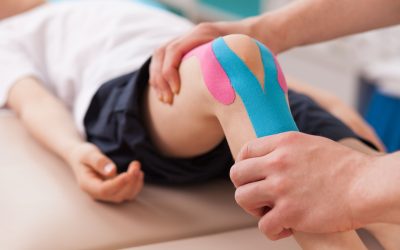
An old injury can continue affecting movement long after the initial pain has faded. In some cases, scar tissue and lingering soft-tissue restrictions may make an area feel stiff, tender, weak, or difficult to move through its full range.
Scar tissue is a normal part of healing. However, when tissue does not regain enough flexibility or strength, it may continue interfering with daily movement, exercise, or physical work.
What Is Scar Tissue?
When muscles, tendons, ligaments, or other connective tissues are injured, the body begins repairing the damaged area. Collagen fibers are deposited to help close and stabilize the injury.
The newly repaired tissue is not always arranged in the same organized pattern as the original tissue. It may initially be thicker, less flexible, and less capable of handling normal movement or repeated physical stress.
Over time, scar tissue can remodel and become more functional. Movement, appropriate loading, and rehabilitation often support this process. Problems may occur when an injury is not fully rehabilitated, movement remains limited for too long, or the area is repeatedly irritated before it has adapted.
Why Can an Old Injury Become Stiff Again?
Stiffness may return when the repaired area has not regained its previous mobility or tolerance for activity. A person might feel reasonably comfortable during everyday tasks but notice pulling, tightness, or soreness when returning to exercise, lifting, bending, or repetitive movement.
Reduced activity can also contribute. When someone protects an injured area for an extended period, nearby muscles may weaken while joints and connective tissues become less mobile.
The body may then develop compensatory movement patterns. For example, limited ankle movement after an old sprain may affect the knee or hip. A past lower-back strain may cause someone to move more cautiously, placing additional demand on surrounding muscles.
Scar tissue is not always the only cause of returning stiffness. Joint changes, muscle weakness, nerve irritation, reduced coordination, or a new injury can produce similar symptoms. A proper assessment is important before selecting treatment.
What Are Common Signs of a Soft-Tissue Restriction?
Soft-tissue restrictions can feel different depending on the affected area and the type of injury. Common signs may include:
- A pulling sensation during movement
- Localized tightness or tenderness
- Reduced range of motion
- Discomfort that increases with activity
- Weakness after periods of rest
- A feeling that the area does not move smoothly
- Pain when stretching or loading the tissue
Some people also notice that the discomfort improves after warming up but returns later in the day. This may indicate that the tissue temporarily becomes more flexible with movement but still lacks the capacity to handle prolonged activity.
These signs do not confirm that scar tissue is responsible. They simply provide useful information during an examination.
How Is Extracorporeal Shockwave Therapy Used?
Extracorporeal shockwave therapy is a non-invasive treatment that delivers acoustic pressure waves through the skin to a selected musculoskeletal area. The term “extracorporeal” means that the energy is produced outside the body.
Shockwave therapy may be considered for persistent soft-tissue discomfort, limited mobility, chronic tendon concerns, or areas that remain sensitive after an injury. The treatment is directed toward a specific region rather than applied generally throughout the body.
People looking for a Shockwave Chiropractor in Davison, MI, may encounter this approach as part of a broader plan that also considers mobility, strength, activity tolerance, and movement patterns.
How May Shockwave Therapy Support Pain Relief?
Shockwave therapy for pain relief may help by stimulating a response in the targeted tissue and influencing local sensitivity. It may also be used when a soft-tissue area feels chronically tight or has not responded fully to basic rest and activity modification.
The goal is not to break apart every form of scar tissue. Scar formation is a normal and necessary part of healing. Instead, treatment may be used to support the tissue environment while helping a person gradually restore movement and physical function.
Some individuals experience temporary soreness after treatment. The intensity and treatment area should therefore be adjusted according to the person’s condition, comfort, and response.
Is ESWT Treatment Appropriate for Every Old Injury?
ESWT treatment is not suitable for every injury or every type of stiffness. An old injury may involve a joint problem, nerve irritation, instability, significant weakness, or another condition that requires a different approach.
Before treatment begins, the provider should ask when the injury occurred, what movements are limited, whether pain travels to another area, and which activities make the symptoms better or worse.
They may also examine mobility, strength, tenderness, balance, and movement control. This helps determine whether the restriction appears to involve muscle, tendon, connective tissue, a joint, or several structures at once.
Shockwave therapy should not be presented as a guaranteed solution. Its usefulness depends on the tissue involved, the duration of symptoms, the person’s health, and whether the treatment is combined with appropriate rehabilitation.
Why Is Movement Important After ESWT Treatment?
Improving tissue tolerance often requires more than a passive treatment. Stretching, mobility exercises, strengthening, and gradual exposure to activity may help the area adapt to movement again.
The correct exercise depends on the original injury. Someone recovering from an ankle sprain may need balance and calf strengthening, while a person with an old muscular strain may need progressive loading and mobility work.
Doing too much too soon may aggravate the area. Avoiding movement completely can also prolong weakness and stiffness. A gradual plan helps create a balance between protection and healthy physical stress.
When Should Persistent Stiffness Be Evaluated?
An old injury should be assessed when stiffness continues limiting normal movement, repeatedly returns after activity, or is accompanied by increasing pain or weakness.
Prompt medical evaluation may be necessary when symptoms involve major swelling, sudden loss of function, significant numbness, unexplained redness or warmth, or a new traumatic injury.
For people in Davison, MI, the first step is identifying why the area remains restricted. When scar tissue or another persistent soft-tissue concern appears to be contributing, shockwave therapy may be one option within a broader plan focused on restoring mobility, strength, and confidence in movement.