Shoulder and hip stiffness can appear days after a side-impact collision because muscles, joints, and connective tissues may become irritated even when symptoms are not obvious immediately. Stress hormones, swelling, protective muscle tension, and changes in movement can delay or gradually increase the discomfort.
What Happens to the Body During a Side-Impact Collision?
A side-impact crash can move the body in several directions within a fraction of a second. The vehicle may shift sideways while the seat belt, door, seat, and center console limit parts of the body’s movement.
This uneven motion can place force through the shoulder, ribs, lower back, pelvis, and hip. The shoulder nearest the impact may contact the door or tighten against the seat belt. At the same time, the hip may be pushed sideways or rotated as the pelvis responds to the movement of the vehicle.
The effects vary based on the direction of impact, vehicle speed, seat position, use of restraints, and whether the person anticipated the crash.
Why Might Symptoms Not Start Right Away?
Not every collision-related injury causes immediate discomfort. During a stressful event, the body releases hormones that can temporarily reduce awareness of symptoms. A person may also remain still at the scene and notice the effects only after returning to normal activities.
Inflammation may develop gradually over several hours. Muscles can also tighten to protect irritated joints or soft tissues. By the next morning, getting out of bed, reaching overhead, walking, or turning the body may feel more difficult.
Delayed symptoms do not automatically indicate a severe injury, but they should not be ignored simply because the person felt relatively normal immediately after the collision.
Why Can the Shoulder Become Stiff?
The shoulder has a wide range of motion and depends on muscles, tendons, ligaments, and several joints working together. A direct impact, sudden pull from a seat belt, or forceful bracing against the steering wheel can affect these structures.
Someone may notice difficulty lifting the arm, reaching behind the back, fastening a seat belt, or sleeping on the affected side. Stiffness may also come from the neck or upper back rather than the shoulder joint itself.
For example, irritated neck tissues can refer symptoms toward the shoulder blade or upper arm. This is why an evaluation should consider the neck, shoulder, upper back, and neurological function instead of examining only one tender area.
Why Can Hip Stiffness Develop Afterward?
The hip is a stable joint, but a strong side impact can still affect its surrounding muscles, tendons, ligaments, and joint surfaces. The pelvis may rotate or shift while the legs remain positioned beneath the dashboard.
After the crash, a person may unconsciously shorten their stride, lean away from one side, or place more weight on the opposite leg. These protective habits can create additional tightness around the hip and lower back.
Symptoms may be felt in the outer hip, groin, buttock, or upper thigh. Difficulty climbing stairs, standing from a chair, entering a vehicle, or walking for long periods may indicate that the hip and pelvis need further assessment.
Can Shoulder and Hip Symptoms Be Connected?
Yes. The shoulder and opposite hip work together during walking and many daily movements. When one area becomes stiff, the body may compensate through the trunk, pelvis, or other limbs.
For example, limited shoulder movement may reduce normal arm swing. Hip stiffness can then affect stride length and pelvic rotation. These changes may increase fatigue or tension across the back.
An auto injury chiropractor may observe how the entire body moves rather than treating the shoulder and hip as unrelated problems. The goal of the examination is to identify which areas are injured and which areas are compensating.
What Does an Auto Accident Evaluation Include?
A car accident chiropractor typically begins by asking how the collision happened, where the vehicle was struck, and when symptoms started. The evaluation may include posture, range of motion, strength, balance, reflexes, and joint movement.
The provider may also look for signs that require medical imaging or referral. Chiropractic care is not appropriate for every collision injury, particularly when a fracture, dislocation, serious head injury, or other urgent condition is possible.
People seeking accident chiropractic information in Glendale, AZ, can review how Trinity Advanced Health approaches evaluations after vehicle collisions. They consider the accident history, examination findings, and the patient’s current ability to move before recommending care.
How May Chiropractic Care Fit Into Recovery?
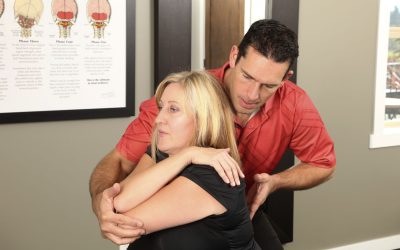
Auto accident chiropractic care may be considered when joint restrictions, muscle tension, or movement changes are contributing to ongoing stiffness. Care may include gentle chiropractic adjustments, mobility guidance, corrective exercises, and recommendations for gradually returning to routine activities.
The exact approach should depend on the type of injury and how sensitive the area is. A chiropractor after a car accident should not apply the same technique to every patient or assume that all post-collision symptoms come from spinal misalignment.
Progress should be monitored through changes in movement, strength, daily function, and symptom response.
What Should Someone Do in the First Few Days?
After a collision, it is helpful to track new or changing symptoms. Note which movements are difficult, whether stiffness is increasing, and whether numbness, weakness, headaches, or dizziness are present.
Avoid repeatedly testing the shoulder or hip with forceful stretches. Heavy lifting, intense exercise, and long periods in one position may also aggravate sensitive tissues. Gentle movement may be appropriate when it does not worsen symptoms, but individual guidance is important.
When Is Immediate Medical Attention Needed?
Emergency evaluation is necessary after a crash when someone has severe or increasing head, neck, chest, abdominal, back, shoulder, or hip symptoms. Other warning signs include confusion, fainting, vomiting, trouble breathing, major swelling, visible deformity, inability to bear weight, or loss of movement.
New numbness, significant weakness, loss of coordination, or changes in bladder or bowel control also require prompt medical assessment.
What Is the Main Takeaway?
Shoulder and hip stiffness may not appear until hours or days after a side-impact collision. Delayed symptoms can result from inflammation, soft-tissue irritation, joint restriction, and protective changes in movement.
A timely evaluation can help determine whether the symptoms are appropriate for conservative care or require medical testing. For drivers and passengers in Glendale, AZ, paying attention to new stiffness after a crash is an important part of protecting mobility and supporting a safe return to daily activity.