Key takeaway:
• Aluminium fabrication covers cutting, punching, folding, welding and finishing processes used to turn aluminium sheet into brackets, enclosures, frames and bespoke parts.
• Material thickness, finish requirements and welding method all affect lead time and cost.
• Workshops handling aluminium must follow UK fume-control rules during welding, which differ slightly from those for steel.
Aluminium fabrication refers to the combination of cutting, forming, welding and finishing processes used to shape aluminium sheet into functional parts, from brackets and enclosures to architectural panels. It suits applications that need a lightweight, corrosion-resistant metal without the weight of steel.
Aluminium fabrication from SAMS fabrications typically begins with laser cutting or CNC punching to produce the flat pattern, followed by folding, welding and a finishing stage such as polishing or powder coating. Workshops offering this service generally work across several metals rather than aluminium alone, since many fabrication jobs mix materials or compare aluminium against steel or stainless options for a given application. Find SAMS Fabrications on Google Maps to review a Norwich-based example of a long-established sheet metal fabrication operation that works with aluminium alongside stainless steel, mild steel, copper and brass.
Understanding how the core stages fit together helps when scoping a fabrication project and comparing quotes from different workshops.
Core Processes Used in Aluminium Fabrication
Most aluminium parts pass through a sequence of distinct stages before reaching a finished state. Each stage affects tolerance, surface quality and overall cost.
• Laser cutting : produces precise flat patterns from aluminium sheet, with cutting capacity typically limited by material thickness on a given machine bed.
• CNC punching : uses a multi-tool turret to create holes, slots and shapes in thinner aluminium sheet quickly and repeatably.
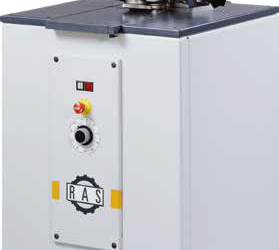
• CNC folding : press-brake bending turns flat laser-cut or punched blanks into three-dimensional brackets, enclosures and frames.
• Welding : aluminium is most commonly joined using TIG welding, which gives a cleaner weld pool and finer control than MIG for thinner sections.
• Finishing : includes weld cleaning, polishing and powder coating to protect the surface and improve appearance.
Why Aluminium Behaves Differently From Steel
Aluminium conducts heat far faster than steel, which changes how it is cut, welded and formed. Fabricators generally need separate settings, consumables and sometimes separate machine capacity for aluminium compared with steel or stainless work on the same equipment.
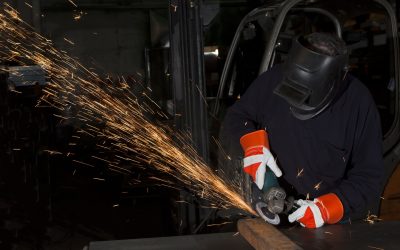
Welding aluminium also carries specific health and safety considerations. Fume generated during TIG welding of aluminium is subject to workplace exposure controls, and the HSE guidance on health risks from welding notes that ozone produced during TIG welding of stainless steel and aluminium can irritate the throat and chest, meaning extraction or ventilation measures are expected regardless of job size.
Matching the Technique to the Application
Different aluminium applications call for different combinations of the processes above. The table below sets out typical pairings.
| Application | Typical thickness | Primary processes used |
| Brackets and mounting plates | Up to 8mm | Laser cutting, folding, TIG welding |
| Enclosures and housings | Thin to mid gauge sheet | CNC punching, folding, welding, powder coating |
| Architectural and decorative panels | Thin gauge sheet | Laser cutting, polishing or bead blasting |
| Catering and hospitality fittings | Light gauge sheet | Folding, welding, mirror or dull polish finishing |
Capacity limits matter when scoping a job: one UK sheet metal workshop lists a laser bed capacity of 4m by 2m with an aluminium cutting thickness of up to 8mm, compared with 20mm for mild steel, reflecting the different cutting parameters needed for aluminium.
Checking Finish and Tolerance Requirements Early
Specifying the finish before fabrication starts avoids rework later in the process.
1. Confirm whether a mirror polish, dull polish, bead-blasted or powder-coated finish is required.
2. Flag any welds that will remain visible, since these may need additional cleaning or polishing.
3. State tolerance requirements for folded or punched features before cutting begins.
4. Ask whether the part will be used outdoors, since this affects whether a protective coating is appropriate.
Frequently Asked Questions
Is aluminium harder to weld than steel? Aluminium requires different welding parameters than steel because it conducts heat more quickly and forms an oxide layer, so TIG welding is generally preferred for a cleaner result on thinner sections.
What thickness of aluminium can be laser cut? This depends on the laser and bed size available at a given workshop; one UK fabricator’s published laser cutting capacity allows aluminium up to 8mm within a 4m by 2m bed.
Does aluminium fabrication need special safety controls? Welding aluminium produces fume that falls under UK workplace exposure rules, and the HSE’s guidance on welding health risks highlights that TIG welding aluminium can release ozone that irritates the airway, so ventilation or extraction should be in place.
Can aluminium be combined with other metals in one project? Yes, many fabricated assemblies pair aluminium components with stainless steel or mild steel parts, which is one reason multi-material fabrication workshops across the UK commonly handle both within the same project.
Supporting Information and Next Steps
Published location and contact details for the Norwich workshop referenced in this guide are available through Find SAMS fabrications on Google Maps, which sets out opening hours and the general service area.