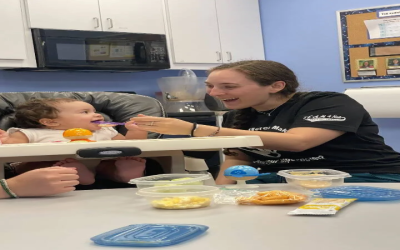
Breastfeeding after a C-section is often possible, but abdominal soreness, limited mobility, and fatigue can make positioning more difficult. A practical recovery plan focuses on protecting the incision, responding to feeding cues, removing milk regularly, and getting breastfeeding help when difficulties continue.
Why Can Breastfeeding Feel Different After a C-Section?
A C-section is major abdominal surgery, so sitting up, turning, lifting, and holding a baby may feel uncomfortable during early recovery. Some parents also experience swelling, exhaustion, or a delay before settling into frequent feeding.
These challenges do not mean breastfeeding will be unsuccessful. The parent may need more physical support, extra time to find a comfortable position, and help with tasks involving bending or lifting.
Families in Avondale, AZ, can prepare by arranging pillows, water, feeding supplies, and a comfortable place to rest. Keeping essentials within reach reduces unnecessary movement and helps the parent focus on the baby’s cues.
Which Breastfeeding Positions May Reduce Incision Pressure?
The football hold may be comfortable because the baby rests beside the parent rather than across the abdomen. Pillows can support the baby and bring them to breast height without requiring the parent to lean forward.
Side-lying may also reduce incision pressure and allow more rest. The parent and baby lie facing one another, with the baby close enough to latch without pulling on the breast. The baby should return to a separate safe sleep surface when feeding is finished and the parent is ready to sleep.
A laid-back position may work when the parent can recline comfortably. No single position is best for everyone. The goal is to support the baby, maintain a comfortable latch, and keep pressure away from the healing abdomen.
How Can Household Support Improve Comfort?
A partner, relative, or trusted helper can bring the baby to the parent, prepare feeding supplies, refill water, and handle routine chores. This reduces strain and creates more opportunities for rest.
Support should remain practical rather than controlling. The parent can decide when to feed, which position feels safest, and when discomfort requires a pause.
How Often Should the Baby Feed During Recovery?
Newborns usually feed frequently. Early hunger cues may include stirring, bringing hands to the mouth, opening the mouth, or turning the head. Responding before crying begins can make positioning and latching easier.
If direct breastfeeding is delayed or the baby is not removing milk effectively, hand expression or pumping may be recommended to support milk production. The right plan depends on the baby’s age, medical needs, weight pattern, and the parent’s health.
Parents should monitor wet diapers, feeding behavior, alertness, and weight follow-up. A pediatric healthcare professional should assess concerns about low intake, unusual sleepiness, dehydration, jaundice, or difficulty waking for feeds.
What Can Help When Latching Is Painful?
Incision soreness can affect how the parent holds the baby, which may indirectly change the latch. Bringing the baby toward the breast, rather than leaning toward the baby, can reduce strain.
Persistent nipple pain, pinching, cracking, or repeated slipping off the breast deserves attention. A Lactation Counselor can observe positioning and suggest adjustments suited to the parent’s mobility.
Parents searching for “Lactation consulting near me” may be trying to solve a specific concern, such as pain, positioning difficulties, or uncertainty about milk transfer. Effective breastfeeding support should consider both postpartum recovery and the baby’s feeding skills.
When Should Parents Seek Breastfeeding Help?
Breastfeeding help may be useful when every position causes discomfort, the baby repeatedly struggles to latch, feeding remains stressful, or milk removal appears limited. Support may also help parents build a manageable pumping plan when direct breastfeeding is temporarily difficult.
Families can learn about infant feeding guidance from a Lactation Counselor at TEAM 4 Kids. Their services help families understand feeding patterns, positioning, and practical next steps based on individual needs.
Medical care remains important when the parent has worsening incision pain, fever, redness, drainage, heavy bleeding, chest pain, trouble breathing, or another urgent postpartum concern. A Lactation Counselor provides breastfeeding support, while a medical professional evaluates recovery complications.
How Can Avondale Families Prepare for the First Weeks?
Create a comfortable feeding station, keep water and supplies nearby, and identify people who can help with lifting, meals, and household tasks. Save contact information for the parent’s medical team, the baby’s pediatric provider, and a source of breastfeeding support.
Recovery and breastfeeding do not follow a perfect schedule. Some feedings may feel easier than others, and positions may change as the incision heals. Patient experimentation, timely breastfeeding help, and realistic expectations can support comfort and continued feeding after a C-section.