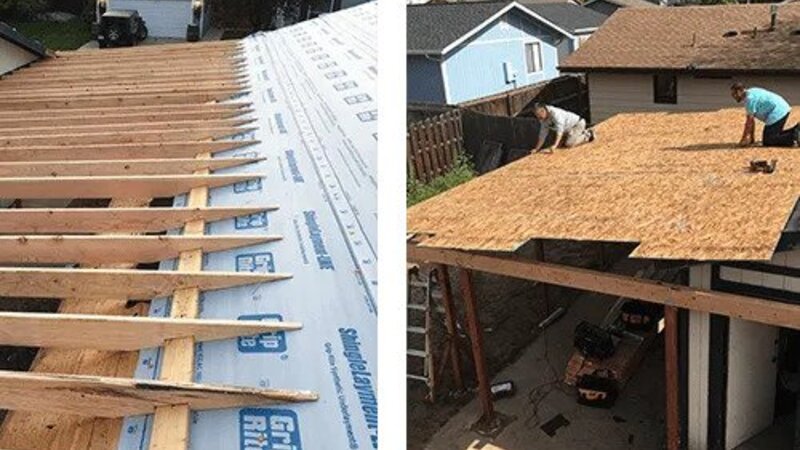
Snapshot:
- A residential general contractor manages every trade on a home project, from permitting through final inspection, under one point of contact.
- In Palm Coast, FL, that role often includes coordinating roofing, water damage repair, and structural rebuilds after storms.
- Verified offerings from the provider referenced in this guide include roofing, windows, siding, flooring, and storm-related reconstruction.
A Residential General Contractor oversees the full scope of a home construction or repair project, scheduling subcontractors, pulling permits, and making sure each phase of work meets code before the next one begins. For homeowners in Palm Coast, FL, this single point of contact matters most when a project involves more than one trade, such as a roof repair that also requires drywall and flooring work.
Many residential projects start as a single problem, like a roof leak, and expand once an inspection reveals water damage underneath. A general contractor’s job is to sequence that work correctly so repairs do not get sealed behind new finishes while framing is still wet.
Core Responsibilities on a Residential Project
A general contractor’s duties typically cover the administrative and physical sides of a build or repair. Based on verified service listings, these responsibilities include:
- Coordinating roofers, drywall crews, flooring installers, and window teams on one schedule
- Managing permitting and code compliance paperwork with local building departments
- Sequencing work so each trade starts only after the prior phase is complete
- Documenting damage and recommending repair or reconstruction scope after an inspection
This structure applies whether the work is a single damaged room or a larger rebuild. For homeowners, that range can mean anything from a kitchen affected by a plumbing leak to a full reconstruction following storm damage.
Why Coordination Matters in Palm Coast, FL
Palm Coast, FL sits in a region where storm season routinely tests roofing, siding, and window systems built to varying construction eras. Homes damaged by wind or water often need more than one repair discipline at once, which is why sequencing matters.
Florida’s statewide building code sets minimum standards for any permitted renovation or repair, and compliance is mandatory regardless of a home’s age. According to the Florida Building Code overview, the current edition took effect in December 2023 and applies to any permitted work, including roof replacement or major system overhauls. Older homes that predate modern code requirements must still meet the active code once a permit is pulled for qualifying repairs.
A coordinated contractor approach reduces the risk of a repair passing one trade’s inspection while creating a problem for the next. Sequencing roofing before interior drywall, for example, prevents new finishes from being installed over a structure that has not fully dried.
Residential vs. Commercial Scope
| Factor | Residential Projects | Commercial Projects |
| Typical trigger | Leak, storm damage, single-room renovation | Multi-unit or tenant-space damage |
| Occupancy during work | Often vacant or partially occupied | Phased to keep units or businesses operating |
| Common scope | One room to full-home rebuild | Floor-by-floor or unit-by-unit phasing |
| Point of contact | Single general contractor managing all trades | Same model, scaled to building size |
Both categories follow the same underlying principle: one contractor managing multiple trades under a single contract reduces miscommunication between crews.
Frequently Asked Questions
What is the difference between a general contractor and a specialty contractor? A general contractor manages the entire project and coordinates multiple trades, while a specialty contractor, such as a roofer or electrician, performs one specific type of work within that larger project.
Does a residential general contractor handle storm damage repair? Storm-related repair is a common entry point for general contractor involvement, particularly when wind or water damage affects the roof, interior finishes, and structural elements simultaneously.
Is a permit always required for roof or structural repairs in Florida? Permit requirements depend on the scope of work, but any renovation or major repair that falls under Florida’s building code must comply with the active code edition once a permit is issued, as noted in the Florida Building Code overview.
How does a contractor decide the order of repairs after water damage? Work is typically sequenced around drying results, so structural and moisture-sensitive repairs are completed before new finishes are installed, reducing the risk of trapped moisture behind walls or flooring.
Local Service Context
Based in Daytona Beach, FL, White Ibis Restoration serves homeowners across Palm Coast, FL with construction, repair, and restoration coordination handled under a single point of contact.
Current details for White Ibis Restoration’s residential general contractor services are published for homeowners reviewing project scope and local service area coverage.