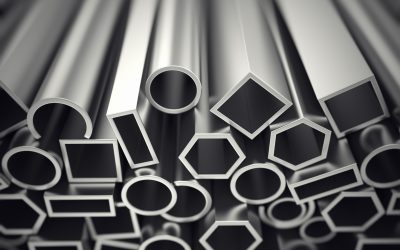
For manufacturers, fabricators, and machine shops, material choice affects more than part performance. It shapes machining time, tooling wear, scrap rates, and how reliably a job ships on schedule. Aluminum square bar is a staple in production environments because it combines structural strength with excellent machinability and a light weight that simplifies handling and assembly. Whether the end use is machine frames, fixtures, brackets, or precision components, the right aluminum square bar helps teams build parts that perform consistently from the first run to the last.
The Strength Behind Aluminum Square Bar
Aluminum delivers strong mechanical performance at roughly one third the weight of steel. For OEMs and fabricators, that means lighter assemblies, lower shipping weight, and easier handling on the shop floor without giving up structural integrity.
Key performance advantages:
• Alloy options for different strength needs: 6061 offers a dependable balance of strength, weldability, and corrosion resistance for general structural work. 2024 and 7075 provide higher strength for demanding applications such as aerospace, tooling, and high stress components.
• Corrosion resistance: Aluminum forms a natural oxide layer that protects against rust. 6061 performs especially well in humid or outdoor service, while 2024 and 7075 typically benefit from anodizing or coating where exposure is a concern.
• Machinability: Aluminum square bar cuts quickly and cleanly, supporting faster cycle times, longer tool life, and tighter tolerances on CNC equipment.
Applications Across Industrial and Commercial Markets
Aluminum square bar is used across a wide range of production and engineering settings:
• Machine frames and guarding: Rigid, lightweight frames for automation cells, conveyors, and equipment enclosures.
• Jigs, fixtures, and tooling: Stable stock for fixture plates, locating blocks, and tooling components that need dimensional accuracy.
• Brackets, mounts, and supports: Structural members for transportation, material handling, and industrial equipment.
• Precision machined parts: Starting stock for manifolds, spacers, housings, and other components machined to print.
• Architectural and commercial fabrication: Railings, framing, and support structures where appearance and durability both matter.
What Buyers and Engineers Should Consider
Before specifying or ordering aluminum square bar, consider these factors:
Why Sourcing Matters
Consistent material quality keeps production predictable. Working with an aluminum focused distributor gives buyers access to a deeper range of alloys and sizes, knowledgeable support on grade selection, and processing services such as precision sawing. The result is fewer delays, less waste, and stock that arrives ready to machine or fabricate.
Getting the Most From Aluminum Square Bar
Aluminum square bar gives manufacturers a practical mix of strength, light weight, corrosion resistance, and machinability. By selecting the right alloy, temper, and tolerance, and by sourcing from a supplier that can cut material to your specifications, your team can shorten lead times, control costs, and deliver parts that meet spec every time.