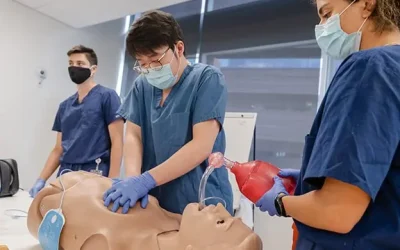
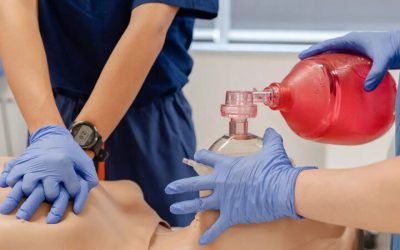
Real estate agents who regularly host open houses may benefit from CPR training because they often work in public-facing environments where unexpected emergencies can occur. CPR certification gives agents structured guidance on recognizing cardiac arrest, beginning CPR, using an AED when available, and responding appropriately until emergency services arrive.
In Phoenix, real estate professionals may spend hours each week meeting clients, welcoming visitors into properties, conducting tours, and working independently in homes throughout the Valley. While their primary responsibility is helping buyers and sellers navigate real estate transactions, basic emergency preparedness can add another layer of readiness when working with the public.
Why Can CPR Training Matter During an Open House?
Open houses bring together people of different ages, backgrounds, and health conditions in an unfamiliar environment. Visitors may spend significant time walking through homes, climbing stairs, navigating outdoor areas, or viewing properties during Arizona’s warmer months.
A serious health emergency can happen without warning. If someone suddenly collapses and becomes unresponsive, the people nearby may need to recognize the situation quickly and call 911.
CPR training teaches participants how to respond in a structured way instead of trying to determine what to do during a stressful event. Agents who have completed training can better understand the sequence of checking responsiveness, activating emergency services, beginning CPR, and using an automated external defibrillator if one is available.
These skills do not replace professional emergency care. They are intended to help someone provide immediate assistance while emergency responders are on the way.
What Situations Could Real Estate Agents Encounter?
Real estate work places agents in a wide variety of settings. An emergency could occur during an open house, private showing, inspection, closing appointment, community event, or meeting with prospective clients.
Possible situations may include:
- Sudden cardiac arrest
- Choking
- Falls or injuries
- Heat-related illness
- A client becoming unresponsive
- An emergency involving a coworker or vendor
Agents often work without large teams around them, which can make preparation especially useful. Knowing the basic steps to follow can reduce hesitation and help create a more organized response.
What Do CPR Classes Typically Teach?
CPR classes are designed to teach participants how to identify a life-threatening emergency and respond with appropriate actions.
Course content commonly includes recognizing cardiac arrest, contacting emergency services, performing chest compressions, understanding rescue breathing when applicable, and operating an AED. Some courses may also address choking emergencies involving adults, children, or infants.
Hands-on practice is an important part of learning CPR because the skill involves physical technique, not just memorizing information.
Real estate professionals considering cpr certification can look for training that includes practical instruction and opportunities to demonstrate the required skills.
How Can CPR Certification Support Agents Who Work Independently?
Many real estate agents spend a significant amount of time working alone.
An agent may arrive at a vacant property before clients, remain at an open house for several hours, or meet buyers and sellers in locations where few other people are present. If an emergency occurs, the agent may be the person closest to the individual who needs help.
CPR certification can provide a clear framework for responding during those first few minutes. Instead of relying only on general knowledge, trained agents have practiced specific steps for recognizing cardiac arrest and beginning care.
This preparation may also be useful outside of work. CPR skills can apply in homes, restaurants, stores, community spaces, and other everyday settings.
Should Real Estate Teams Consider Group CPR Training?
Brokerages and real estate teams may also consider training multiple agents rather than relying on a single person.
Larger offices often have agents working different schedules, attending separate events, and showing properties across Phoenix and surrounding communities. Training several team members can help create broader coverage during meetings, office events, property tours, and open houses.
Group CPR training can also make it easier for coworkers to follow the same response process. When multiple employees understand the same procedures, communication during an emergency may be more organized.
Teams can also review practical details such as who should call 911, how to provide the property’s address clearly, and where an AED may be located in an office or community facility.
How Can Agents Prepare Before Hosting an Open House?
CPR training is only one part of emergency preparedness.
Before an open house, agents can take a few simple steps to become more familiar with the property and surrounding area. They may want to know the exact street address, identify the clearest entrance for emergency personnel, and note any stairs, pools, uneven walkways, or other areas that could present safety concerns.
Keeping a charged phone accessible is also important. Agents should be able to contact emergency services without searching for their device during a crisis.
When working in a large condominium, apartment complex, or gated community, it can also help to know how responders can access the property quickly.
These steps do not require complicated procedures. The goal is simply to reduce confusion if an unexpected situation develops.
How Often Should CPR Skills Be Refreshed?
CPR skills can become less familiar when they are not used regularly.
Real estate professionals should keep track of their course completion date and any renewal requirements associated with their training. Reviewing CPR procedures periodically can also help reinforce important steps between formal classes.
Agents who change brokerages, begin hosting more open houses, or take on additional responsibilities may want to review whether their current training still fits their needs.
How Can Phoenix Real Estate Agents Get Started?
Real estate agents can begin by reviewing their typical work environment and identifying situations where they regularly interact with clients, visitors, coworkers, and vendors.
From there, they can compare CPR classes based on course content, hands-on instruction, scheduling, and certification requirements. Selecting appropriate training can help agents build practical skills they can use both professionally and in everyday life.
For Phoenix real estate professionals who regularly host open houses or work independently with clients, completing CPR training can be a practical addition to their overall approach to safety and preparedness.
Consider enrolling in a CPR course and keeping your training current so you are better prepared to respond when an unexpected emergency occurs.