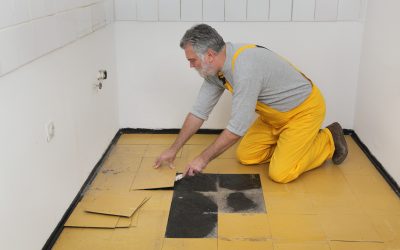
Tiling is an art as much as it is a science, and achieving a flawless, professional finish requires both the right tools and proper technique. Whether you’re a DIY enthusiast or a seasoned contractor, understanding how to handle your tools can make the difference between a mediocre job and one that truly stands out. For those searching for the best approach to laying tile, mastering the use of a V Notch Trowel is essential to ensuring consistent adhesion and a smooth, level surface.
Why Choose a V Notch Trowel?
A V Notch Trowel is specifically designed for spreading tile adhesive in a way that creates evenly spaced ridges. These ridges are crucial—they allow air to escape beneath the tile and ensure the adhesive is distributed uniformly. This tool is particularly popular for setting smaller tiles, mosaic sheets, and wall installations, as its notched pattern provides the optimal amount of adhesive coverage without excess buildup.
Key benefits of using a V Notch Trowel include:
• Consistent Adhesive Thickness: The notches control the depth and spacing of the adhesive, minimizing the risk of uneven tiles.
• Improved Bond Strength: Evenly distributed adhesive ensures tiles are securely attached to the substrate.
• Reduced Mess: The V-shaped notches help control the amount of adhesive applied, preventing excess squeeze-out.
How to Use a V Notch Trowel for Best Results
To achieve professional-grade tile work, follow these step-by-step guidelines:
1. Prepare the Surface
Ensure your substrate is clean, dry, and level. Any dust, debris, or moisture can affect adhesive bonding and compromise your finished results.
2. Select the Right Trowel Size
V Notch Trowels come in different notch sizes. Choose a notch size that matches your tile specifications—smaller tiles generally require smaller notches, while larger tiles may benefit from larger notches for better adhesive coverage.
3. Apply the Adhesive
Scoop up the adhesive with the flat side of the trowel and spread it onto the surface. Once you have a thin, even layer, flip the trowel to the notched side and comb the adhesive at a consistent angle (typically 45 degrees). This technique forms uniform ridges, which are vital for proper tile bonding.
4. Set the Tile
Press each tile firmly into the adhesive, using a slight twisting motion to collapse the ridges and ensure full contact. Periodically lift a tile to check for complete coverage—ideally, you should see adhesive covering the back of the tile with minimal gaps.
5. Clean Up Excess Adhesive
Wipe away any adhesive that squeezes out between the tiles before it dries. This keeps grout lines clean and ensures a professional appearance.
Pro Tips for Flawless Tile Installation
• Work in Small Sections: Adhesive can dry quickly, so only spread as much as you can tile within 10-15 minutes.
• Maintain Consistent Pressure: Apply even pressure with the trowel to keep ridge heights uniform.
• Check for Lippage: Use a level or straightedge to ensure tiles are flush with each other, avoiding uneven surfaces.
Using a V Notch Trowel correctly is a foundational skill for anyone aiming for a polished, long-lasting tile installation. By paying attention to notch size, adhesive application, and tile placement, you can achieve results that rival those of experienced professionals. With the right approach and a bit of practice, your next tiling project can showcase both beauty and durability, transforming any space with confidence and precision.