• Spay and neuter procedures are routine surgeries that require specific pre-op steps — fasting, a pre-surgical exam, and a calm recovery space — to go smoothly.
• Knowing exactly what to do the night before and morning of surgery reduces risk and speeds recovery.
• Local Indianapolis pet owners can schedule with a full-service veterinary team that performs these procedures regularly.
Getting your pet ready for a spay or neuter is straightforward when you know what to expect. The steps below cover everything from the pre-surgical exam through the first days of recovery at home.
If you are searching for spay and neuter Indianapolis IN, the preparation process is largely the same regardless of where you go — but working with a clinic that performs thorough pre-operative assessments makes a measurable difference in surgical safety.
The Pre-Surgical Exam: What Happens Before the Day of Surgery
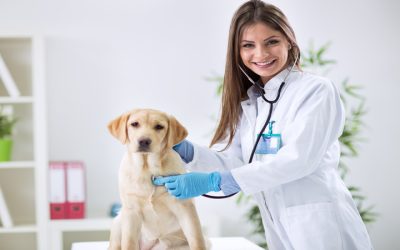
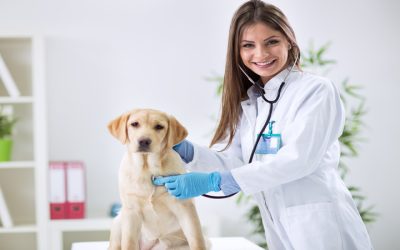
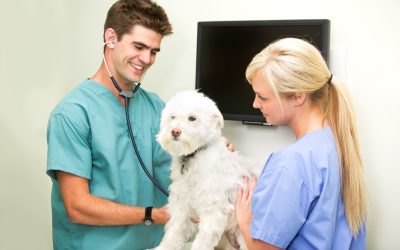
Before surgery, the veterinary team conducts a thorough exam and diagnostic tests to confirm your pet is fit for the procedure. This step is not optional — it is the foundation of safe anesthesia management.
During the pre-surgical visit, your vet will typically:
• Review your pet’s vaccination and medication history
• Perform a physical exam, checking heart rate, weight, and overall condition
• Recommend pre-anesthetic bloodwork, especially for older pets or those with known health issues
• Develop a customized pain management plan using safe anesthetics
The decision on how to approach spay, neuter, or sterilization should be based on a thorough assessment of the individual animal’s health and client preferences. Bring a list of any supplements or medications your pet takes, since some medications may need to be adjusted or temporarily discontinued before surgery.
Fasting and the Night Before Surgery
Fasting is the single most critical owner responsibility before a spay or neuter. Fasting reduces the risk of complications during anesthesia — an animal with food in their stomach can aspirate, or inhale stomach contents, while under sedation, which is a serious and preventable danger.
General fasting guidelines vary slightly by species and age:
| Pet Type | Food Cutoff | Water |
| Adult dogs | 8-12 hours before surgery | Available until 2-3 hours prior |
| Adult cats | 8-12 hours before surgery | Available until 2-3 hours prior |
| Puppies/kittens under 4 months | Modified — ask your vet | Per vet instruction |
Puppies under four months require modified fasting protocols due to their rapid metabolism and risk of hypoglycemia, with most veterinarians recommending only 3-4 hours of fasting for very young puppies. Always confirm the exact cutoff time with your specific clinic, since protocols differ.
According to the American Veterinary Medical Association, “veterinarians play a crucial role in guiding these decisions, weighing the risks and benefits to ensure the best outcome for the animal, the client, and the broader community.”
A few additional night-before steps:
• Remove food bowls after the cutoff time so your pet cannot graze overnight
• Keep your pet calm and indoors — no vigorous play or rough-housing
• Prepare a quiet recovery area at home with a soft bed, limited foot traffic, and easy floor-level access
Morning of the Procedure: Drop-Off Checklist
The morning of surgery tends to be the most stressful part for owners. Keeping a short checklist helps.
• Confirm your pet has not eaten past the cutoff
• Allow your pet to go outside to eliminate before leaving home
• Bring any paperwork, vaccination records, or medication bottles your clinic requested
• Arrive at your scheduled drop-off time — late arrivals can delay the entire surgical schedule
• Ask the front desk any remaining questions before you leave
After surgery, your pet recovers in a warm, comfortable recovery area where the team continues monitoring closely. You will typically receive a call when the procedure is complete and a pickup window will be arranged.
Post-Operative Care: The First 48-72 Hours
Recovery at home requires a calm environment and close observation. The veterinary team will update you post-surgery, providing aftercare instructions and pain management plans for a smooth recovery at home.
Key home-care priorities:
• Restrict jumping, running, and stair use for the first 10-14 days
• Check the incision site twice daily for redness, swelling, or discharge
• Use the e-collar (cone) as directed — most pets try to lick the incision, which delays healing
• Stock up on necessary supplies like a cone collar and pain medication prescribed by your vet, and have easy-to-digest food on hand in case your pet’s appetite changes.
• Contact your clinic immediately if your pet shows signs of lethargy beyond 24 hours, refuses water, or has an open incision
Frequently Asked Questions
How old does my pet need to be for a spay or neuter? Historically, spaying and neutering has been recommended at about 6 months of age, although in large breed dogs the recommendation is often pushed to after the first heat cycle or after 18 months of age. Your vet will advise based on your pet’s breed and size.
Can my pet drink water the morning of surgery? Water usually remains available until 2-3 hours before surgery, though some veterinarians prefer removing it the night before. Confirm this detail directly with your clinic at the pre-surgical appointment.
What if my pet ate something after the fasting cutoff? If your pet eats after the cutoff time, let your clinic know right away — the veterinarian will decide if it is safe to proceed or if the appointment should be rescheduled for another day.
How long is the recovery period? Most dogs and cats are back to normal activity within 10-14 days. Full internal healing takes longer, so physical restrictions should be followed for the entire window your vet specifies, even if your pet appears to feel fine sooner.
Ready to schedule? Noah’s Stop 11 Animal Hospital is a full-service veterinary hospital located at 4625 E Stop 11 Rd, Suite B, Indianapolis, IN 46237, serving the south Indianapolis area. The skilled surgical team is dedicated to making every procedure, from routine spays and neuters to complex surgeries, as safe and comfortable as possible. Call (317) 885-7297 to schedule a pre-surgical consultation or to ask any questions before your pet’s procedure day.