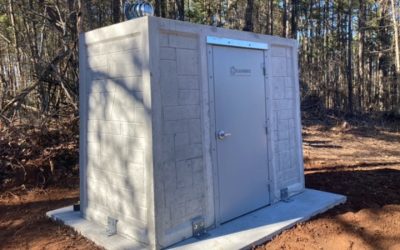
Severe weather can arrive quickly, and a dependable shelter gives households a safer place to go when warnings are issued. Before comparing models, consider how many people need protection, where the shelter can be installed, and what level of testing it meets. People searching online for an Above ground storm shelter arkansas option should evaluate more than price: design, anchoring, access, and local site conditions all matter.
Understand What an Above-Ground Shelter Provides
An above-ground storm shelter is a reinforced room or enclosure designed to protect occupants from tornado-force winds and flying debris. Unlike a basement, it does not require stairs or below-grade access, which can make it more practical for people with mobility limitations, homes built on slabs, or properties with a high water table.
A shelter may be installed inside a garage, attached to a home, or placed outdoors, depending on its design and the property. Some units are compact, dedicated safe rooms; others offer more space for household members and pets. The best choice is one that can be reached quickly from the living areas people use most.
Above-ground does not mean that every product offers the same protection. Ask how the complete shelter—including its door, frame, connections, and anchoring system—has been tested. A strong-looking shell alone is not enough if the door or attachment points are the weak link.
Account for Arkansas Weather and Property Conditions
Arkansas experiences tornadoes, severe thunderstorms, damaging winds, and hail. Conditions vary across the state, so consider local exposure as well as the home’s construction and surroundings. A shelter should be close enough to reach promptly, but it also needs a suitable installation location and a stable foundation.
Flooding deserves attention, too. A below-ground shelter may be unsuitable in places prone to water intrusion, while an above-ground unit still needs protection from runoff, drainage problems, and moisture damage. Check the proposed location for low spots, roof drainage, and nearby slopes. If the site is outdoors, ask how the shelter will be protected from corrosion and weather over time.
Also consider how a warning will affect your household. A shelter that is hard to access during heavy rain, nighttime conditions, or a power outage may not serve you well. Choose a route that is clear, direct, and usable by everyone who may need to take cover.
Verify Testing, Construction, and Installation
Ask for documentation showing that the shelter design has been tested to recognized tornado safe-room criteria. Standards such as ICC 500 and federal safe-room guidance can help buyers understand the performance expectations for wind pressure, debris impact, and structural integrity. Confirm that the documentation applies to the model and configuration being sold, rather than a similar product.
Installation is just as important as the shelter itself. The unit must be anchored to a foundation that can resist the forces it is designed to withstand. Ask what foundation is required, whether the existing slab is adequate, and who determines that. A contractor or qualified professional may need to assess concrete thickness, reinforcement, condition, and attachment details before installation.
Get clear answers about the entire process, including permits, site preparation, delivery access, installation time, and cleanup. Requirements can vary by community and project, so check with local officials before work begins. Keep the product specifications, installation records, and maintenance instructions together for future reference.
Choose a Size and Layout That Works
Start with the number of people who may shelter together, then account for children, older adults, and pets. Ask how the manufacturer defines capacity and whether that figure allows occupants to sit comfortably and enter or exit without obstruction. A shelter packed to its stated maximum may be difficult to use in a stressful situation.
Inspect the door’s operation and interior layout. It should open and close smoothly, with a secure locking system that occupants can operate from inside. Make sure the shelter allows enough room for seating, mobility aids, and essential supplies. Avoid storing bulky items where they block the doorway or reduce usable space.
Think through practical details such as ventilation, lighting, communication, and cell reception. Keep a flashlight, weather radio, water, basic first-aid supplies, and any necessary medications accessible. These provisions do not replace a well-designed shelter, but they make it more useful during an extended wait.
Compare Costs Beyond the Purchase Price
The quoted price may not include delivery, foundation work, permits, electrical components, or site preparation. Request an itemized estimate and ask which conditions could add costs, such as limited access for equipment or the need to repair an existing slab. Comparing complete project costs makes it easier to assess options fairly.
Ask about the warranty, expected maintenance, and availability of replacement parts. Find out how to inspect door hardware, seals, and anchoring points, and how often those checks should be performed. A low initial price may be less attractive if important service or installation details are unclear.
A Practical Pre-Purchase Checklist
Before committing, confirm the shelter’s tested design, capacity, foundation requirements, installation scope, warranty, and maintenance needs. Visit the proposed location and walk the route from the rooms where family members spend time. If possible, practice moving everyone into the shelter and securing the door.
A careful comparison helps buyers choose protection that fits both their household and property. Local homeowners can weigh site conditions, household needs, and installation details with guidance from Arkansas Storm Shelters, a reliable partner for evaluating above-ground protection. Their planning can help families choose a shelter that fits the property and supports storm readiness.