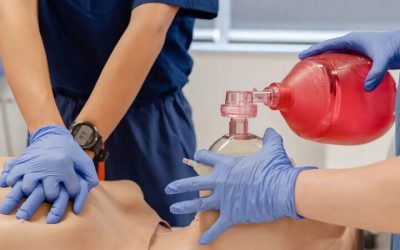
Transportation and shuttle drivers often work directly with passengers in settings where sudden emergencies can happen away from an office, clinic, or controlled indoor space. CPR certification, CPR training, and CPR first aid certification can help drivers understand how to respond safely while waiting for emergency help to arrive.
In Phoenix, AZ, shuttle drivers, private transportation teams, hotel drivers, senior transportation providers, airport shuttle staff, school transportation teams, and community transit workers may interact with passengers of many ages and health backgrounds. Because drivers are often the nearest available person when something goes wrong, basic emergency readiness can be a practical part of passenger safety.
Why Should Transportation Drivers Consider CPR Certification?
Transportation drivers spend long hours with passengers in vehicles, parking areas, loading zones, airports, hotels, medical office campuses, event venues, and residential communities. These environments can involve older adults, children, travelers, employees, visitors, and people with existing health concerns.
A passenger may feel dizzy while entering a shuttle. Someone may become short of breath during a ride. A person may faint, choke, or become unresponsive at a pickup location. While drivers should always call 911 in a serious emergency, CPR certification can help them recognize urgent warning signs and respond with more structure.
CPR training does not turn drivers into healthcare providers. Instead, it gives them practical steps for checking responsiveness, calling for help, beginning CPR when appropriate, and understanding how an AED may be used if one is available nearby.
How Can CPR Training Help During Passenger Emergencies?
CPR training helps drivers know what to do during the first few minutes of a possible cardiac or breathing emergency. These early moments can feel stressful, especially when the driver is alone with a passenger or responsible for a group.
Training may cover how to assess the scene, check whether someone is breathing normally, call emergency services, provide chest compressions, and follow AED prompts. Even if an AED is not inside the vehicle, one may be available at airports, hotels, senior centers, schools, gyms, workplaces, and public buildings.
For shuttle drivers, CPR training can also support clearer communication. A trained driver may be better prepared to explain the location, describe the passenger’s condition, direct bystanders, and guide emergency crews to the scene.
What Makes Phoenix Transportation Settings Unique?
Phoenix transportation work often includes heat, traffic, large service areas, and passengers moving between indoor and outdoor spaces. During hot months, drivers may also see passengers affected by dehydration, dizziness, overheating, or fatigue.
A passenger standing outside at a pickup area may suddenly feel weak. An older adult may struggle while getting in or out of a vehicle. A traveler may become ill after a long flight. A child may choke during a group ride. These situations can happen quickly and may require calm decision-making.
CPR certification and basic first aid awareness can help drivers understand when a situation needs immediate attention. The goal is not to diagnose a passenger’s condition, but to recognize when something is serious and take appropriate action.
Why Is CPR First Aid Certification Useful for Shuttle Teams?
CPR first aid certification can be especially useful because passenger emergencies are not always cardiac-related. Drivers may encounter falls, cuts, heat-related symptoms, choking, fainting, or sudden illness.
First aid training can help drivers learn how to keep someone safe, reduce further harm, and call for the right level of help. CPR training adds another important layer by preparing drivers for situations where a person is unresponsive or not breathing normally.
For transportation teams, combining CPR and first aid knowledge can make emergency response more complete. Drivers may be able to help with minor injuries, recognize serious symptoms, and begin CPR if needed before emergency services arrive.
Which Transportation Roles May Benefit From CPR Training?
Many transportation roles in Phoenix may benefit from CPR training. This includes shuttle drivers, non-emergency transportation drivers, senior transit drivers, hotel and resort drivers, airport shuttle teams, private car service drivers, school activity drivers, church van drivers, and community organization drivers.
Drivers who regularly transport older adults, children, tourists, employees, or event guests may find training especially helpful. These passengers may have different needs, mobility levels, or risk factors.
Property management companies, hospitality teams, senior activity centers, and community groups that operate transportation services may also consider group CPR training. When several team members learn the same response steps, emergency planning can become more consistent.
How Can Transportation Companies Include CPR in Safety Planning?
Transportation companies can include CPR training as part of a broader safety plan. This may include reviewing emergency contact procedures, vehicle safety supplies, first aid kit locations, driver communication systems, and pickup or drop-off protocols.
Teams may also discuss what drivers should do if a passenger becomes unresponsive during a ride, how to safely pull over, when to call 911, and how to communicate with dispatch or management. These steps can help reduce confusion during a stressful moment.
CPR Solutions AZ provides information about cpr first aid certification for individuals and groups in the Phoenix area. Their course options can help transportation teams explore CPR certification and CPR training based on their setting and responsibilities.
What Should Drivers Remember During an Emergency?
Drivers should remember that safety comes first. If an emergency happens while driving, they should pull over safely before helping the passenger. If the vehicle is stopped, they should check the scene, call 911, and follow the emergency steps they learned in training.
If the person is unresponsive and not breathing normally, CPR may be needed. If an AED is available nearby, it should be used according to the device prompts. If the person is awake but injured or ill, first aid steps may help keep them stable until emergency help arrives.
Drivers should also avoid delaying a 911 call. When in doubt, calling for emergency help is the safest choice.
Supporting Safer Rides Across Phoenix
Transportation and shuttle drivers play an important role in helping passengers move safely through Phoenix, AZ. CPR certification, CPR training, and CPR first aid certification can give drivers clearer steps for responding when a passenger emergency happens.
For shuttle teams, transportation companies, community groups, and private drivers, emergency readiness can be a practical part of responsible service. Learning CPR and first aid basics helps drivers stay prepared for the moments when quick action may be needed.