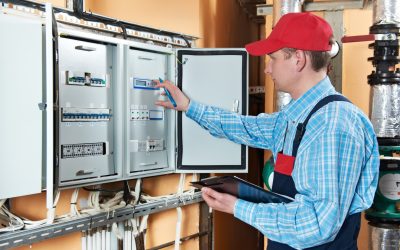
Upgrading home outlets and switches replaces worn, damaged, outdated, or inconvenient devices with options better suited to the household’s current needs. A residential electrician can evaluate the existing wiring, recommend compatible devices, and complete the installation so each outlet and switch works properly.
Outlets and switches are used every day, but they are often overlooked until something stops working. Peoria homeowners may also consider upgrades when changing how a room is used, adding appliances, improving accessibility, or replacing devices that no longer hold plugs securely.
When Should Home Outlets Be Replaced?
An outlet may need attention when plugs fit loosely, the faceplate is cracked, the device moves inside the wall, or connected equipment loses power unexpectedly. Discoloration, unusual warmth, buzzing, or a burning odor should also be treated as reasons to stop using the device and arrange an inspection.
Some older outlets may continue working while no longer meeting the practical needs of the household. A room may have too few connection points, causing residents to depend heavily on extension cords or power strips. Replacing or adding outlets can provide more convenient access to power where devices are actually used.
A residential electrician can determine whether the concern is limited to the outlet or connected to the wiring, circuit, or another component behind the wall.
What Signs Suggest a Light Switch Needs Attention?
A switch should operate smoothly and consistently. If a light flickers when the switch is touched, the switch feels loose, or the fixture does not respond every time, the device may be worn or have a connection problem.
Other warning signs include crackling sounds, visible damage, unusual heat, or a switch that produces a small shock when touched. These symptoms should not be ignored. The affected switch should be left alone until it can be evaluated.
Sometimes, the switch is not the only possible source of the problem. The fixture, bulb, wiring connection, or circuit may also contribute to inconsistent operation. Proper troubleshooting helps identify what should be repaired or replaced.
Which Outlet Upgrades Can Improve Daily Convenience?
Modern households often use more powered devices than older homes were designed to support. Outlet upgrades can make a room more functional without relying on temporary cords across floors, countertops, or furniture.
USB-equipped outlets may provide direct charging for compatible phones, tablets, and smaller devices. Additional standard outlets can be useful near desks, entertainment centers, kitchen counters, or bedside areas.
Weather-resistant devices may be appropriate for outdoor locations when installed with covers and components suited to exterior conditions. In certain areas of a home, updated protective outlets may also be required or recommended based on the location and current standards.
The correct device depends on where it will be installed and how it will be used. A qualified electrician can recommend an option that fits the room rather than applying the same solution throughout the home.
Can Switch Upgrades Improve How a Room Functions?
Switch upgrades can improve lighting control and convenience. Dimmer switches allow compatible fixtures and bulbs to operate at different brightness levels. This can be useful in dining rooms, bedrooms, living areas, and other spaces where lighting needs change throughout the day.
Three-way and four-way switches allow a light to be controlled from more than one location. These configurations are often useful in hallways, stairways, large rooms, and spaces with multiple entrances.
Timer, occupancy, and vacancy controls may also support more practical lighting use. However, not every control works with every fixture, bulb, or existing wiring configuration. Compatibility should be reviewed before installation.
Why Is the Existing Wiring Important?
A new outlet or switch must be compatible with the wiring and circuit already serving that location. The age of the home, conductor type, box size, grounding, circuit load, and device rating can all affect the installation.
Replacing the visible device without evaluating what is behind it may leave an underlying issue unresolved. For example, a loose connection inside the box could continue causing inconsistent operation even after a new faceplate or device is added.
Residential electrical contractors can inspect the installation area and determine whether the existing components are suitable for the proposed upgrade. When homeowners are comparing local Electrician options, they can review the residential work the contractor provides and ask how the existing circuit will be evaluated before changes are made.
What Happens During an Outlet or Switch Upgrade?
The process usually begins with identifying the affected circuit and reviewing how the outlet or switch is currently connected. The electrician may remove the device, inspect the box and conductors, confirm compatibility, and look for visible damage or loose connections.
The replacement device is then selected according to the location and intended use. After installation, the electrician tests its operation and confirms that the faceplate and device are secured properly.
More involved projects may include adding outlets, relocating switches, separating controls, or updating several devices throughout a room. These changes require additional planning because the wiring route and available wall space can affect the work.
Should Outlets and Switches Be Reviewed During a Home Inspection?
A home electrical inspection can identify visible concerns involving outlets, switches, panels, fixtures, and other accessible components. This can be useful when buying an older home, preparing for renovations, or investigating repeated power problems.
However, an inspection should not be viewed only as a pass-or-fail step. It can also help homeowners understand which devices are worn, which upgrades are practical, and which concerns should receive attention first.
Home electrical services may include targeted repairs, device replacement, new installations, and broader inspections. The appropriate scope depends on the condition of the home and the homeowner’s goals.
How Can Peoria Homeowners Plan an Upgrade?
Start by listing the outlets and switches that are damaged, unreliable, inconveniently placed, or no longer suited to the room. Note what is connected at each location and whether the proposed upgrade involves lighting controls, charging access, outdoor use, or additional devices.
A residential electrician can use that information to evaluate the existing setup and recommend compatible improvements. Thoughtful planning helps ensure that new outlets and switches support everyday use while fitting the home’s current wiring and layout.