In today’s rapidly evolving industrial landscape, the quest for innovation is more vital than ever across the UK’s construction and manufacturing sectors. The backbone of this transformation lies in the ability to design, produce, and assemble complex components with precision and efficiency. For those seeking to understand how bespoke solutions and advanced techniques are shaping the future of these industries, Engineering Fabrication stands out as a crucial search term, capturing the essence of this technological progress.
The Role of Engineering Fabrication in Modern Industry
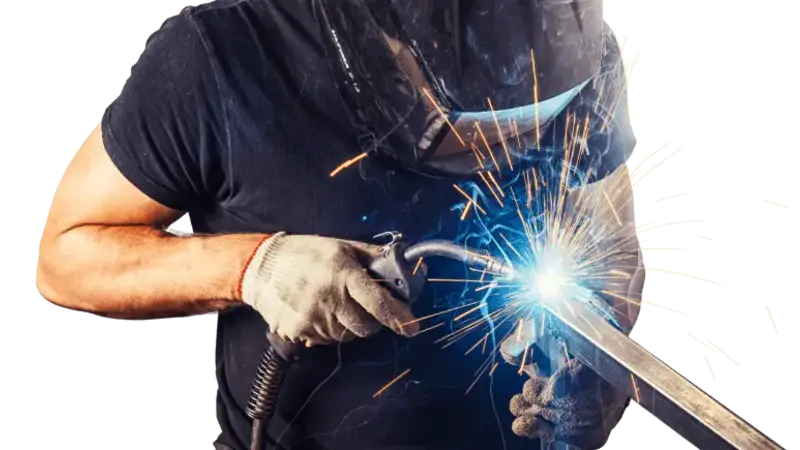
Engineering fabrication encompasses a broad range of processes, including cutting, welding, forming, and assembling metal structures and components. Within the UK, this discipline is fundamental to constructing everything from architectural frameworks to intricate machinery parts. By leveraging cutting-edge tools and methods, fabricators not only meet but often exceed the increasingly demanding specifications of contemporary projects.
Key Drivers of Innovation
Several factors underscore the importance of engineering fabrication as a catalyst for innovation:
- Customisation and Flexibility: The ability to create tailor-made solutions allows engineers and manufacturers to adapt quickly to unique project requirements. Whether producing structural steelwork for skyscrapers or precision parts for automotive manufacturing, bespoke fabrication ensures optimal performance and efficiency.
- Integration of Advanced Technologies: The adoption of computer-aided design (CAD), robotics, and automated machining has revolutionised fabrication processes. These technologies enable greater precision, reduced waste, and faster turnaround times, directly contributing to improved productivity and sustainability.
- Material Advancements: The use of innovative alloys and composite materials has expanded the possibilities for lighter, stronger, and more durable components. This not only enhances product longevity but also supports the development of greener, more energy-efficient solutions.
Impact on Construction and Manufacturing
In the construction sector, engineering fabrication underpins the creation of robust and visually striking buildings. Modern architectural designs often require complex steel frameworks, bespoke staircases, and unique façade elements, all of which demand exacting fabrication standards. The result is a built environment that is not only functional but also aesthetically impressive and environmentally conscious.
Manufacturing, meanwhile, benefits from the rapid prototyping and mass production capabilities offered by advanced fabrication. The ability to swiftly transition from concept to finished product allows UK manufacturers to stay ahead in competitive markets, responding to shifting consumer demands and technological advances with agility.
Benefits for the UK Economy and Workforce
The widespread adoption of engineering fabrication techniques supports economic growth by:
- Enhancing the UK’s reputation for engineering excellence and innovation.
- Creating high-value jobs and upskilling the workforce in advanced manufacturing techniques.
- Fostering collaboration between sectors, leading to knowledge-sharing and further advancements.
Looking to the Future
As sustainability and digitalisation become more prominent, the role of engineering fabrication will continue to expand. Embracing new materials, smarter technologies, and greener practices will be essential for UK businesses to remain competitive on the global stage.
Conclusion
In summary, engineering fabrication is a driving force behind the ongoing innovation within the UK’s construction and manufacturing sectors. By enabling greater customisation, incorporating advanced technologies, and supporting the creation of cutting-edge products, it ensures that these industries can meet the challenges of the modern world. As the demand for efficiency, sustainability, and high-quality outcomes continues to grow, the significance of engineering fabrication will only become more pronounced, shaping the future of UK industry for years to come.