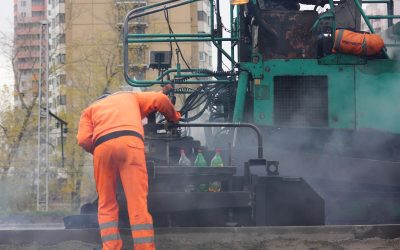
Asphalt paving is an essential part of any commercial development project. In Phoenix, with its unique climate and growing commercial sector, the need for durable and high-quality asphalt surfaces is greater than ever. Whether you are developing a retail space, an office park, or a mixed-use development, the parking lot and access roads are some of the first areas to consider. Ensuring that these areas are paved correctly and efficiently is critical for the overall success of your project.
Understanding the Importance of Commercial Asphalt Paving
Commercial asphalt paving is essential for creating a strong, safe, and durable surface for vehicles and pedestrians. Paved parking lots, driveways, and roadways provide a professional and aesthetically pleasing look for any commercial property. Asphalt is a popular choice due to its cost-effectiveness, durability, and flexibility, making it ideal for high-traffic areas like commercial parking lots.
In Phoenix, where the hot climate and sun can cause wear and tear on improperly paved surfaces, high-quality asphalt paving is especially important. Investing in proper parking lot paving ensures that your commercial property will look good and function effectively for years to come.
Step 1: Initial Planning and Site Evaluation
Before any asphalt paving can begin, a comprehensive site evaluation is necessary. Asphalt paving contractors will assess the property to determine several key factors, including the following:
- Soil Quality: The type and condition of the soil will influence how the asphalt will be laid and how long it will last. Poor soil quality may require soil stabilization before paving can begin.
- Drainage: Proper drainage is essential for preventing water buildup that can erode the asphalt surface over time. Contractors will determine the best way to divert rainwater away from the paved surfaces to protect the integrity of the lot.
- Traffic Flow: For parking lot paving, contractors will plan the layout of parking spaces, drive aisles, and pedestrian walkways, ensuring that the design allows for smooth traffic flow.
Step 2: Preparing the Base Layer
The base layer is the foundation of any asphalt pavement. Without a solid base, the asphalt surface will deteriorate quickly, especially in areas with heavy traffic. The base layer is typically made of crushed stone or gravel that is compacted to provide a firm foundation.
In commercial paving, the thickness of the base layer depends on the anticipated weight and traffic load of the development. For example, a parking lot for a retail center may require a thicker base layer than a small office building.
Step 3: Laying the Asphalt
After the base layer is properly prepared and compacted, the next step is to lay the asphalt. The asphalt mix used for the surface layer is a combination of asphalt cement, sand, and aggregates like crushed stone. The mixture is heated to a specific temperature before being spread over the prepared base.
Asphalt paving contractors use specialized equipment, such as pavers and rollers, to ensure an even, smooth surface. The paver spreads the hot asphalt mixture evenly over the surface, and the roller compacts the material, making sure it adheres to the base and is smooth and level.
Step 4: Cooling and Curing
Once the asphalt has been laid and compacted, it needs time to cool and cure. The cooling process typically takes several hours, during which the asphalt hardens and gains its strength. During this period, traffic should be restricted from driving on the surface to ensure that the asphalt sets properly.
In Phoenix, it’s especially important to avoid heavy traffic on the freshly paved surface during the hottest part of the day. The heat can cause the asphalt to soften, which may lead to surface defects. Contractors will monitor the curing process and ensure that the surface is ready to handle vehicle traffic once it has fully cooled.
Step 5: Striping and Final Touches
The final step in the parking lot paving process is striping. This includes marking the parking spaces, pedestrian walkways, fire lanes, and any other necessary designations. Accurate and clear striping is essential for the safety and efficiency of the parking lot, as it guides drivers and pedestrians throughout the space.
In addition to striping, contractors may also install signage and curb markings to further define traffic flow and ensure safety compliance.
Once the striping and final touches are complete, the parking lot is ready for use. A well-paved and well-marked parking lot not only improves the functionality of your commercial property but also enhances its visual appeal.
The Importance of Choosing the Right Asphalt Paving Contractor
The process of commercial asphalt paving is complex and requires skilled professionals to ensure the best results. Choosing an experienced and reliable asphalt paving contractor is essential to the success of your project. A reliable contractor will ensure that each step of the process is done correctly, from site evaluation and base preparation to the final paving and striping.
If you’re looking for a reliable commercial asphalt contractor in Phoenix, ALK Asphalt offers professional paving services tailored to the unique needs of commercial developments. Their team of experts can guide you through each stage of the paving process, ensuring that your project is completed on time, within budget, and to the highest standards.