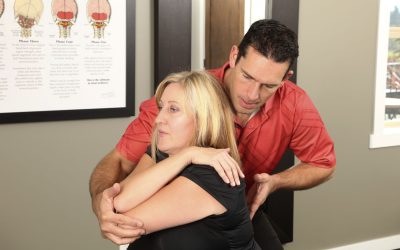
Disc problems are a common reason people search for a chiropractic adjustment near me, especially when back pain starts limiting sleep, work, exercise, or even simple things like sitting or bending. Two of the most talked-about disc conditions are disc bulges and disc herniations. They’re related, but they’re not identical, and understanding the difference can help you make smarter decisions about conservative care options, including spinal decompression therapy.
This guide breaks down disc bulges vs. disc herniations, the symptoms that may show up with each, how spinal decompression therapy is commonly used, and what to consider when looking for a back pain chiropractor or chiropractor near me in Gresham, OR.
Disc Bulge Vs. Disc Herniation: What’s The Difference?
Your spine is made of vertebrae separated by discs. Discs act as cushions, helping absorb shock and distribute load during movement. Each disc has a tougher outer layer (the annulus) and a softer, gel-like center (the nucleus).
A disc bulge usually means the disc extends beyond its normal boundary in a broader, more uniform way. The outer layer is typically still intact, but it may be weakened or strained. Bulges can be associated with repetitive stress, prolonged sitting, reduced spinal mobility, and age-related disc changes.
A disc herniation generally means the inner disc material pushes through a tear or weak spot in the outer layer. Herniations are often more focal than bulges. Depending on location and inflammation, they may be more likely to irritate nearby nerve roots, though not every herniation causes symptoms.
Both bulges and herniations can create pain and stiffness. The difference is often the degree of disc disruption and how much nerve irritation is involved.
Symptoms: How Bulges And Herniations May Feel
Symptoms can overlap, so a thorough exam is important. Some people have a disc bulge or herniation on imaging with minimal symptoms, while others have significant pain with relatively small findings. However, certain patterns are commonly reported.
Disc bulge symptoms may include:
- Dull or achy low back pain that flares with sitting
- Stiffness after rest, especially in the morning
- Tightness that improves somewhat with movement
- Reduced flexibility when bending or twisting
Disc herniation symptoms may include:
- Sharp pain that travels into the leg or arm (depending on spine level)
- Tingling or numbness that follows a nerve pattern
- Increased pain with coughing, sneezing, or straining
- Weakness in certain movements (in some cases)
If you’re seeing symptoms that travel down the leg (often described as sciatica), a back pain chiropractor may evaluate whether nerve irritation is likely and whether conservative care is appropriate.
What Spinal Decompression Therapy Is And Why It’s Used
Spinal decompression therapy is a form of controlled mechanical traction. The purpose is to reduce pressure on spinal structures—particularly discs and joints—using gentle, intermittent pulling forces. It’s commonly positioned as a non-surgical option used to support people who may have disc-related pain patterns.
Decompression is typically delivered on a motorized table that applies traction in cycles (pull and release). The goals may include:
- Reducing compressive load on the disc
- Decreasing irritation around nerve roots
- Supporting disc hydration and nutrient exchange
- Improving mobility and comfort with daily movement
Decompression therapy is often paired with other conservative strategies, such as movement guidance, strengthening exercises, posture changes, or activity modification.
Disc Bulges: How Decompression Therapy May Help
Because disc bulges often involve pressure changes and restricted motion rather than a clear tear, decompression may be used to help reduce mechanical stress and allow irritated tissues to calm down. People with bulges may feel worse after sitting for long periods, bending forward repeatedly, or staying in one posture too long.
Potential improvements some people report with bulges include:
- Less stiffness after sitting
- Reduced low back tightness during daily tasks
- Better tolerance for standing and walking
- More comfortable bending and transitions (like getting in/out of a car)
Results depend on factors such as how long symptoms have been present, how consistent home habits are, and whether the bulge is pressing on or inflaming a nerve.
Disc Herniations: How Decompression Therapy May Help
With herniations, decompression therapy may be used to reduce disc and nerve pressure, especially when symptoms suggest nerve irritation. The “pull and release” cycles are intended to decrease mechanical compression and support a calmer environment for healing and recovery.
Possible changes some people notice over time include:
- Reduced radiating pain into the leg or arm
- Less frequent tingling or numbness (varies by case)
- Improved ability to sit, stand, or walk longer
- Better sleep due to fewer painful flare-ups at night
Because nerve-related symptoms can involve inflammation and sensitivity, the recovery timeline can vary. Progress is often measured by functional improvements—walking longer, sitting with less pain, sleeping better—not only pain levels.
What To Expect During An Evaluation For Disc-Related Back Pain
When someone searches chiropractor near me or chiropractic adjustment near me, they often want clarity on what’s happening and what the next step should be. A conservative evaluation for disc-related pain may include:
- Health history and symptom timeline (what worsens or eases symptoms)
- Range of motion and posture assessment
- Orthopedic and neurological screening (strength, reflexes, sensation)
- Discussion of warning signs that require medical evaluation or imaging
If spinal decompression therapy is considered, the provider may explain candidacy, session structure, and what supporting steps can improve outcomes between visits.
Conservative Steps That Support Decompression Outcomes
Whether your symptoms align more with a disc bulge or herniation, daily habits matter. Conservative care tends to work best when you reduce repetitive aggravators and support steady movement.
Helpful habits often include:
- Taking standing/walking breaks every 30–60 minutes if you sit often
- Using a hip-hinge technique for lifting to reduce low-back strain
- Gradually rebuilding core and hip stability (as recommended)
- Walking regularly to encourage circulation and movement tolerance
- Adjusting sleep positioning (knee support for side/back sleeping)
If symptoms rapidly worsen, or you notice progressive weakness, severe numbness, or bowel/bladder changes, seek urgent medical evaluation.
Choosing Care In Gresham, OR
Disc bulges and disc herniations can feel similar, but the mechanics can differ. A practical approach is conservative, structured, and focused on function—reducing irritation, restoring motion, and improving your tolerance for everyday activity. When choosing a back pain chiropractor in Gresham, look for clear explanations, realistic expectations, and guidance you can use at home, not just in-office care.
Explore Conservative Care Options In Gresham, OR
If you’re comparing next steps for disc bulges or disc herniations and want to understand whether spinal decompression or chiropractic care may be a fit, start by reviewing local treatment information. Visit chiropractic adjustment near me to learn how their approach may support reduced disc pressure, improved mobility, and steadier day-to-day comfort in Gresham, OR.