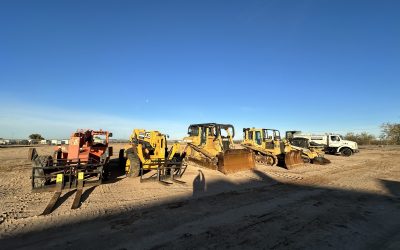
An excavator should be inspected before every digging project because small mechanical issues can quickly become major jobsite delays. In Maricopa County, AZ, where excavation work often supports utilities, grading, drainage, foundations, and site development, identifying repair warning signs early can help reduce downtime and protect equipment performance.
Excavators handle demanding work. They dig, lift, trench, load, grade, and move material in rough jobsite conditions. Whether a contractor is using owned equipment or arranging an excavator rental, the machine needs to respond correctly before the first bucket hits the ground. Unusual sounds, weak hydraulic response, track issues, leaks, or electrical problems should never be ignored.
For contractors planning work across Maricopa County, heavy equipment repair planning is part of keeping excavation projects on schedule. A machine that fails during digging can delay crews, affect other trades, increase labor costs, and create safety concerns around open trenches or unstable work areas.
Why Should Excavators Be Checked Before Digging Starts?
Excavation work depends on control, power, and steady machine response. Before digging begins, contractors should confirm that the boom, arm, bucket, tracks, swing system, hydraulics, engine, and controls are working properly.
A pre-project inspection is especially important before trenching, foundation cuts, utility installation, drainage work, or grading support. These jobs often require accuracy and steady movement. If the machine hesitates, drifts, leaks, overheats, or struggles under load, the problem can affect the quality and timing of the work.
In Maricopa County, AZ, heat, dust, hard soil, and long operating hours can increase equipment strain. Checking the excavator before the next project gives crews a better chance to catch problems while they are still manageable.
What Hydraulic Problems Should Operators Watch For?
Hydraulic issues are among the most common signs that an excavator needs repair. The hydraulic system powers the boom, arm, bucket, swing, and travel functions. If that system becomes weak or inconsistent, the machine may not dig, lift, or move material effectively.
Warning signs include slow boom movement, weak bucket curl, delayed response, jerky motion, hydraulic fluid leaks, whining noises, or overheating hydraulic oil. Operators may also notice that the excavator struggles to hold a load or that attachments do not respond smoothly.
Hydraulic problems should be addressed before digging begins. A weak system can reduce productivity and may lead to further damage if the machine continues operating under pressure.
How Do Track and Undercarriage Issues Affect Excavation?
The undercarriage supports movement, stability, and traction. If the tracks, rollers, idlers, sprockets, or tension system are worn or damaged, the excavator may become harder to control. This can be a major issue when working near trenches, slopes, foundations, or uneven ground.
Signs of undercarriage trouble include loose tracks, uneven track wear, grinding noises, difficulty turning, reduced traction, or visible damage to rollers and sprockets. If a track slips off during a project, work may stop immediately until repairs are completed.
Heavy construction equipment repair often includes undercarriage inspection because these components take constant abuse from rock, dirt, debris, and rough movement. Before the next dig, contractors should make sure the machine can travel safely and remain stable during operation.
When Are Engine Problems a Red Flag?
Engine issues should be taken seriously before any excavation project. If an excavator has trouble starting, loses power, stalls, smokes heavily, overheats, or burns excess fuel, it may not be ready for the next job.
Diesel engines often show early warning signs before failure. These may include rough idling, unusual exhaust color, knocking sounds, warning lights, or reduced pulling power under load. In Arizona’s heat, cooling system problems can become more serious during long workdays.
An excavator that overheats during digging can delay the entire crew. Engine problems should be inspected before the machine is placed into production, especially on jobs where excavation is tied to tight project schedules.
What Do Leaks Say About Equipment Condition?
Leaks should never be treated as normal jobsite wear. Fluid under the excavator can point to hydraulic, engine oil, coolant, fuel, or final drive issues. Even small leaks can worsen once the machine is under pressure.
Operators should check beneath the machine, around hose fittings, near cylinders, at the pump area, and around the engine compartment. A small drip may signal a worn seal, loose connection, damaged hose, or cracked fitting.
Leaks can also create site safety concerns. Fluid on the ground can affect footing, contaminate soil, or make the work area harder to manage. Repairing leaks before digging starts can prevent avoidable shutdowns.
How Can Electrical Problems Interrupt Excavation Work?
Modern excavators rely on electrical systems for starting, monitoring, controls, sensors, displays, and safety alerts. If the machine has electrical problems, operators may experience starting issues, dead displays, warning lights, fault codes, weak battery performance, or intermittent control response.
Electrical issues can be frustrating because they may appear and disappear. A machine may start correctly in the morning but fail later in the day after heat, vibration, or long operating hours affect the system.
Before starting an excavation project, contractors should pay attention to any warning lights or unusual control behavior. Heavy equipment repair may include diagnostic checks to find the source before the issue causes a jobsite delay.
When Should Contractors Consider a Rental Instead of Waiting on Repair?
Sometimes, repair is the right choice. Other times, a rental may help keep the project moving while owned equipment is being serviced. If the excavator has a major hydraulic, engine, track, or electrical issue, waiting for repairs may not fit the project timeline.
Excavator rental can be useful when a contractor needs to maintain progress on trenching, drainage, site prep, or utility work. It can also help cover short-term equipment gaps during busy construction periods.
The decision depends on the repair timeline, project schedule, equipment availability, machine size needed, and jobsite access. Contractors should compare the cost of downtime with the cost of temporary equipment support.
Keep Digging Projects Moving With Smarter Equipment Planning
Before excavation begins, contractors should listen to the machine, check key systems, and respond to early warning signs. For crews managing digging, trenching, grading, or site preparation in Maricopa County, AZ, planning ahead with heavy equipment excavator rental can help reduce downtime when repair needs interrupt production or owned equipment is not ready.