A home’s structure supports everything from the roof overhead to the floors underfoot, so changes in its condition deserve attention. If you are researching local help, Searching for residential structural repair Englewood CO can connect you with information about assessing and addressing structural concerns. Knowing which warning signs to watch for—and what a professional evaluation involves—can help you make informed decisions before a small issue causes more extensive damage.
Recognize Early Warning Signs
Some structural problems develop gradually, while others become apparent after severe weather or a plumbing leak. Look for changes such as:
- Cracks in foundation walls, especially if they widen or appear alongside displacement
- Doors or windows that suddenly stick, fail to latch, or appear out of square
- Sloping floors, sagging ceilings, or noticeable separation between walls and floors
- Gaps around exterior trim, chimneys, or attached porches
- Moisture or water entering through the basement or crawl space
Not every crack indicates a serious structural issue. Small, stable hairline cracks may be related to normal settling or changes in humidity. However, cracks that grow, repeat in several areas, or accompany bowing walls and uneven floors should be evaluated. Take dated photos and note changes; this information can help a qualified professional assess how quickly the condition is developing.
Understand Local Contributing Factors
In the Englewood area, seasonal temperature changes can cause soil to freeze, thaw, and shift. Some soils also expand when wet and contract as they dry. Poor drainage, downspouts that release water near the foundation, plumbing leaks, and inadequate grading can add to the problem by keeping soil moisture uneven.
The house itself matters, too. Age, previous renovations, construction details, and the original design can affect how loads move through the structure. A visible symptom may have more than one possible cause, so patching a crack or leveling a floor without identifying the underlying issue may provide only temporary relief.
What a Professional Assessment Involves
A structural evaluation generally starts with a review of the reported symptoms and a visual inspection of accessible areas, including the foundation, framing, basement, or crawl space. The professional may take measurements, examine cracks and signs of movement, and ask about the home’s history, drainage, and past repairs. Depending on the findings, additional investigation may be recommended.
The assessment should explain what is known, what remains uncertain, and whether repairs are needed. Ask for a clear scope of work, the reasoning behind the recommended approach, and any relevant drawings or calculations. If permits or coordination with other contractors may be required, clarify who will handle those steps before work begins.
Choose Repairs That Address the Cause
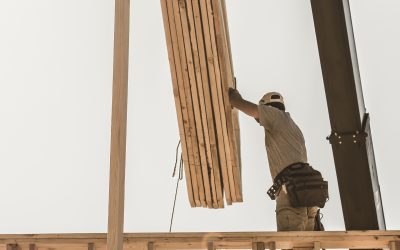
The right repair depends on the source and extent of the problem. Work might involve reinforcing framing, stabilizing a foundation, correcting a connection, or improving drainage around the home. These solutions are not interchangeable: a repair should match the conditions observed and follow an appropriate engineered plan when necessary.
After repairs, keep water away from the foundation by maintaining gutters, extending downspouts, and ensuring the ground slopes away from the house. Monitor previously affected areas and address leaks promptly. A careful evaluation, cause-focused repair, and consistent moisture management can help protect your home’s stability and give you a clearer path forward.