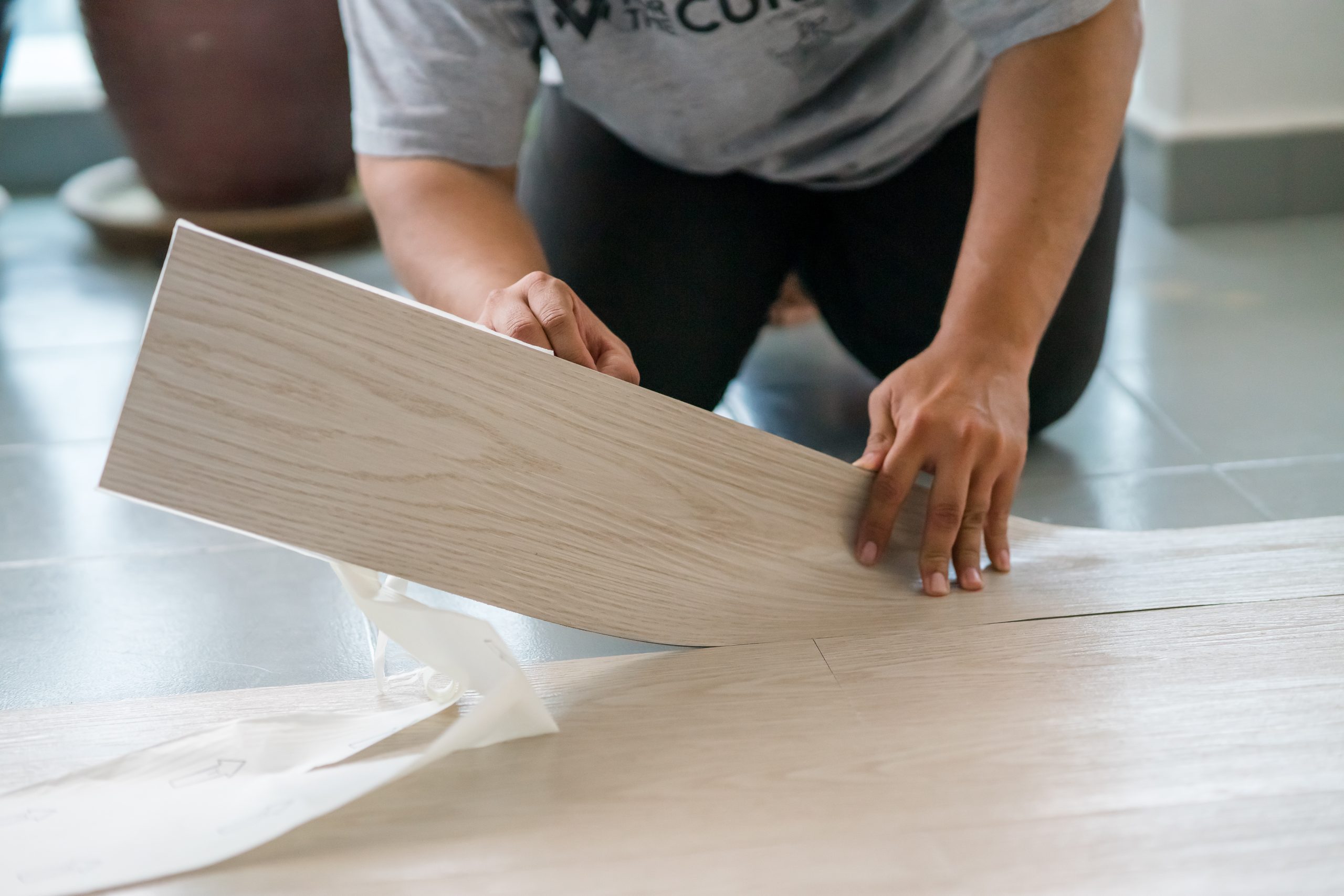
Installing a new surface underfoot can dramatically improve the appearance, comfort, and value of your home. Whether you’re upgrading to hardwood, luxury vinyl, or tile, proper preparation is key to a successful result. Many homeowners overlook the steps needed before installation day, but seasoned professionals know that planning ahead ensures a smoother process and better outcome.
Let’s explore how a flooring installation contractor recommends preparing your home so the installation can proceed efficiently and without unexpected setbacks.
1. Clear the Area Completely
Before any work begins, it’s essential to remove all items from the installation space. This includes furniture, electronics, area rugs, and even wall décor. Contractors need clear access not just to the surface but also to walls, corners, and adjacent entryways.
If possible, move items to another room or store them temporarily. Some contractors may offer furniture moving services for an additional fee, but handling this step yourself often helps reduce time and cost.
Be sure to also empty closets or storage areas connected to the space being renovated. Even small items left behind can delay progress or become damaged during the process.
2. Create a Clear Path for Workers
The path from the entry door to the installation area should be free of obstacles. This helps the contractor transport tools, equipment, and materials without interruption. In multi-level homes, ensure stairways are safe, dry, and well-lit.
If you’re installing new surfaces in upper-level rooms, check with your contractor ahead of time to confirm if any large equipment needs special access. Protecting nearby walls or corners with padding or temporary coverings can also help prevent accidental scuffs or damage.
3. Remove Baseboards and Doors (If Needed)
Some installation projects require removing baseboards, trim, or interior doors to ensure precise fitting. Depending on the type of material and installation method, your contractor may handle this step—but it’s helpful to confirm beforehand.
Removing these elements in advance can save time and reduce labor costs. If you’re handling this yourself, label each piece and store hardware in bags for easier reassembly later.
A flooring installation contractor will always verify if additional clearance is needed or if undercuts are necessary to accommodate materials beneath door frames.
4. Prepare the Subsurface
A flat, clean, and dry subsurface is essential for a successful install. While your contractor will usually handle the technical preparation, it’s a good idea to ask about any pre-cleaning that may be helpful.
For example, removing old carpet or underlayment ahead of time can save money and give you a chance to inspect the condition of the subsurface. Look out for signs of moisture, mold, or unevenness—these issues must be resolved before new materials can be placed.
Some contractors may use leveling compounds or moisture barriers depending on your sublayer’s condition. Understanding this part of the process ensures you’re prepared for any additional steps or expenses.
5. Plan for Noise, Dust, and Disruption
Even the most efficient installations can be noisy and generate dust or debris. If you’re sensitive to these conditions or have children or pets, plan accordingly.
Consider sealing off adjacent rooms with plastic sheeting or temporary door covers. Close HVAC vents in the installation area if possible, and communicate with your contractor about air filtration or dust containment options.
You may also want to schedule work while you’re away from home during the day, especially if the installation is expected to take several days.
6. Confirm Material Delivery and Inspection
If you’re supplying the material yourself, make sure it’s delivered ahead of time and stored according to your contractor’s recommendations. Certain materials—like hardwood or laminate—require acclimatization, meaning they must sit in the room for several days to adjust to temperature and humidity levels.
Work with your flooring installation contractor to ensure materials are inspected for defects or color inconsistencies before installation begins. Catching issues early prevents delays and allows for timely exchanges if needed.
7. Communicate with the Contractor
Before the project starts, discuss the timeline, daily work hours, parking arrangements, and access details with your contractor. These conversations help avoid misunderstandings and set clear expectations.
It’s also a good idea to confirm the project scope in writing, including any prep work responsibilities and post-installation cleanup plans.
If you need professional guidance or help navigating your next project, working with a trusted installer can ensure the process is handled smoothly from start to finish.
Final Thoughts
Preparation is one of the most important steps in any successful renovation. By taking the time to organize your space, coordinate with your contractor, and understand what the process entails, you can avoid costly setbacks and ensure a smooth, efficient installation.
With the help of a skilled flooring installation contractor, your home transformation can be a stress-free experience that results in a beautiful, long-lasting finish. Proper planning today leads to lasting results tomorrow.