Water is essential for maintaining healthy landscaping in Arizona, but the same moisture that supports plants can also influence pest activity around a property. In areas like Buckeye, AZ, where dry conditions are common, irrigation systems provide important resources for yards and gardens. However, leaks, overwatering, and poorly managed drainage can create small pockets of moisture that attract unwanted pests.
Understanding how irrigation and moisture areas affect pest behavior can help homeowners identify potential concerns before they become larger problems. A balanced approach to watering, landscaping maintenance, and property monitoring can support a healthier outdoor environment while reducing opportunities for pests to settle near homes.
Why Moisture Attracts Certain Pests
Many pests rely on water sources for survival. In desert environments, naturally available moisture can be limited, making areas with consistent water more appealing. Irrigated lawns, gardens, and shaded areas around homes may provide the conditions some pests need to find food, shelter, or a place to reproduce.
Moisture-related pest activity may increase around:
- Leaking irrigation lines
- Overwatered landscaping beds
- Areas with poor drainage
- Outdoor faucets with water buildup
- Shaded areas that stay damp longer
These conditions do not automatically mean a property will develop a pest issue. However, they can create a more favorable environment where pests are able to remain active.
How Irrigation Problems Can Affect Pest Activity
A properly maintained irrigation system helps keep plants healthy without creating unnecessary moisture around the property. When irrigation components are damaged or incorrectly adjusted, water may collect in areas where it was not intended.
Common irrigation concerns include:
- Sprinkler heads spraying against exterior walls
- Broken sprinkler lines causing excess water
- Dripping outdoor faucets
- Water pooling near walkways or foundations
- Uneven watering patterns across the yard
These issues may increase moisture around areas where pests already look for shelter, including cracks, vegetation, and spaces around the home’s exterior.
Regularly checking irrigation systems allows homeowners to correct these problems early and maintain better control over outdoor conditions.
Landscaping Areas That May Hold Hidden Moisture
Certain landscaping features naturally retain more moisture than others. Decorative rocks, mulch, dense plants, and shaded areas can all affect how quickly water evaporates after irrigation.
For example, thick vegetation near a home’s exterior can create cooler, protected spaces where pests may remain hidden. Similarly, excessive organic materials such as leaves or plant debris can provide additional shelter.
Homeowners can reduce these potential hiding areas by:
- Trimming plants away from structures
- Removing excess yard debris
- Maintaining proper drainage
- Avoiding unnecessary watering
- Checking shaded areas regularly
These habits help create a landscape that supports plant health while limiting conditions that encourage pest activity.
The Relationship Between Moisture and Home Entry Points
Moisture concerns are not limited to the yard. Water accumulation near a home’s foundation may also affect areas where pests can enter. Small openings around pipes, vents, doors, and windows may become easier access points when pests are already active near the structure.
Routine inspections of exterior areas can help homeowners identify:
- Gaps around utility openings
- Damaged weather stripping
- Cracks in exterior surfaces
- Areas where vegetation touches the home
Addressing these conditions can be an important part of overall pest prevention.
How Pest Control Services Address Moisture-Related Concerns
Managing irrigation and landscaping is an important step, but some pest problems require additional attention. When pests have already established themselves around a property, identifying the source of activity is key to creating an effective approach.
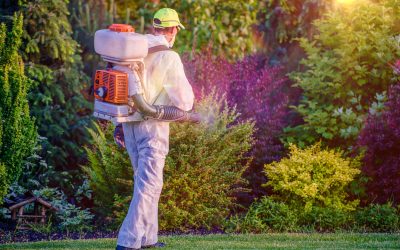
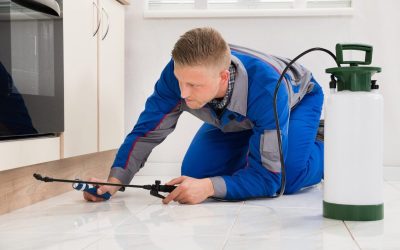
A professional Pest Control Service can involve evaluating the property, identifying pest patterns, and determining what factors may be contributing to the issue. This may include looking at outdoor conditions, entry points, and areas where pests are most active.
Grizzly Pest Control works with homeowners to assess pest concerns and develop appropriate treatment strategies. They provide homeowners with guidance and services designed around specific property conditions as a local Pest Control Company serving Arizona communities.
Creating Better Moisture Management Habits
Homeowners can take several steps to reduce unnecessary moisture around their properties. These practices do not replace professional services when pest problems occur, but they can support long-term prevention efforts.
Helpful moisture management habits include:
- Adjusting irrigation based on seasonal conditions
- Repairing leaks promptly
- Checking drainage after watering
- Keeping outdoor areas clean
- Monitoring areas near the foundation
Consistent maintenance allows homeowners to catch small changes before they develop into larger concerns.
Understanding Local Pest Challenges in Buckeye, AZ
Arizona properties face unique environmental conditions that influence pest behavior. Dry weather, warm temperatures, and residential landscaping choices all play a role in where pests may appear.
For homeowners in Buckeye, understanding the connection between irrigation, moisture, and pest activity can make property maintenance more effective. By combining smart water management practices with appropriate Pest Removal Services when needed, homeowners can better protect their living spaces.
A proactive approach that includes regular inspections, proper landscaping care, and reliable Pest Solutions can help reduce the conditions that allow pests to thrive around Arizona homes.