Medical imaging technology has transformed the way healthcare professionals diagnose and treat countless conditions. Among these technologies, MRI (Magnetic Resonance Imaging) machines stand out for their ability to provide detailed images of soft tissues, organs, and other internal structures. However, the remarkable performance and accuracy of these machines depend on maintaining optimal operating conditions, particularly when it comes to temperature regulation. That’s why an effective MRI cooling system plays a vital role ensuring reliable imaging performance across US hospitals.
The Role of Cooling in MRI Technology
MRI machines operate using powerful magnets and advanced electronic components, which generate a significant amount of heat during use. Without proper cooling, this heat can lead to equipment malfunctions, degraded image quality, and potentially costly downtime. The primary functions of a cooling system in an MRI environment include:
• Temperature Stabilization: Prevents overheating of critical components, especially superconducting magnets that require precise temperature control.
• Protection of Sensitive Electronics: Ensures that control panels, gradient amplifiers, and radiofrequency coils remain within safe operating temperatures.
• Consistent Image Quality: Maintains the integrity of diagnostic images by preventing thermal fluctuations that could affect the accuracy of scans.
Key Components of an Effective MRI Cooling Solution
A robust MRI cooling system incorporates several essential elements to deliver optimal performance. These include:
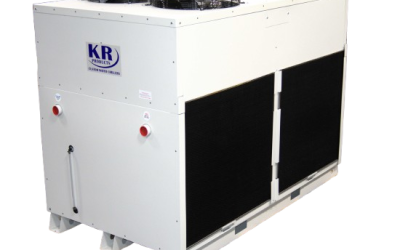
1. Chillers: Industrial-grade water chillers remove heat from the MRI system and dissipate it safely away from the machine.
2. Heat Exchangers: Facilitate the transfer of heat from the MRI components to the cooling medium, ensuring efficient thermal management.
3. Coolant Pumps: Circulate the coolant fluid through the system, maintaining a steady flow and consistent cooling effect.
4. Temperature Sensors and Controls: Monitor system temperatures and automatically adjust cooling output as needed to prevent overheating.
By working together, these components ensure that MRI machines can operate continuously, even during high patient throughput, without performance degradation.
Benefits for US Hospitals
Reliable MRI cooling brings significant advantages to hospitals and imaging centers across the United States:
• Reduced Downtime: Efficient cooling minimizes the risk of machine failure, allowing for uninterrupted patient care.
• Extended Equipment Lifespan: Proper temperature management reduces wear and tear on sensitive components, lowering maintenance costs and extending the usable life of the MRI machine.
• Enhanced Patient Safety: Stable imaging conditions prevent artifacts or distortions in scans, supporting accurate diagnoses and treatment planning.
• Energy Efficiency: Modern cooling systems are designed to be energy-efficient, helping facilities manage operational costs and reduce their environmental footprint.
Best Practices for Maintenance and Operation
To maximize the benefits of an MRI cooling system, hospitals should implement routine maintenance protocols:
• Schedule regular inspections and servicing of chillers, pumps, and heat exchangers.
• Monitor coolant levels and replace fluids as recommended by equipment guidelines.
• Train technical staff to recognize early warning signs of cooling issues.
• Invest in remote monitoring technologies for real-time oversight of system performance.
Proactive maintenance not only supports consistent imaging quality but also prevents unexpected breakdowns that could disrupt hospital operations.
Reliable Imaging Starts with Optimal Cooling
Across US hospitals, the reliability and performance of MRI imaging are closely linked to the effectiveness of their cooling systems. By ensuring precise temperature control, these systems protect sensitive equipment, support high-quality diagnostics, and contribute to the overall efficiency of healthcare delivery. As demand for advanced imaging continues to grow, investing in a well-designed MRI cooling solution remains a critical priority for healthcare providers across the nation.