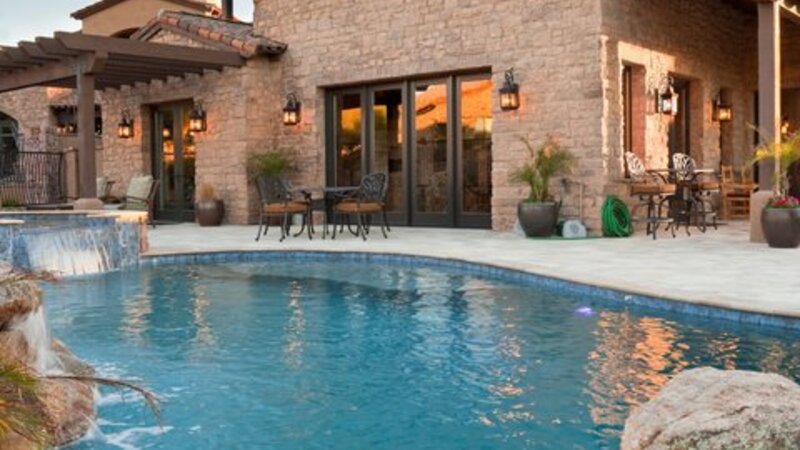
Designing an outdoor space in Buckeye, AZ is different from designing one in cooler or wetter climates. High summer temperatures, intense sun, alkaline soils, and seasonal monsoon storms all shape what will thrive, and what will struggle. If you’re searching for a desert landscape designer Buckeye homeowners can rely on or planning custom yard design Buckeye properties are known for, the best results come from combining aesthetics with climate-smart decisions from day one.
The goal is a yard that looks intentional year-round, supports outdoor living, and uses resources wisely without feeling sparse or overly “rock-only.” The tips below focus on design principles that improve comfort, visual balance, and long-term durability in the Sonoran Desert environment.
What makes Buckeye yard design unique?
Buckeye sits in the West Valley desert environment, where summer heat and direct sun can stress plants and materials quickly. Wind, dust, and periodic heavy rains can also expose weak points in grading and drainage. A successful custom yard design Buckeye plan accounts for:
- Sun exposure patterns (morning vs. late-afternoon heat)
- Water efficiency (not just “less water,” but “right water in the right place”)
- Soil conditions (often alkaline, sometimes compacted)
- Monsoon runoff (short, intense rainfall that needs smart drainage routes)
- Outdoor comfort (shade, airflow, and usable gathering zones)
When these factors are integrated early, the yard feels like an extension of the home rather than a separate “afterthought” space.
How do you plan a functional yard layout before choosing plants?
Start with how you want to use the yard, then build the environment around those routines. A good desert landscape designer Buckeye approach often divides the yard into zones:
- Arrival and circulation: Walkways from gates, side yards, and patios should feel direct and safe at night.
- Gathering spaces: Seating, dining, and fire features benefit from wind and sun consideration.
- Visual anchors: A feature wall, boulder grouping, specimen tree, or water feature can create focus.
- Softscape vs. hardscape balance: Too much hardscape can feel harsh; too much softscape can be water-intensive and harder to manage.
A simple trick: stand at your main interior viewing points (living room windows, kitchen sink, slider doors). Identify what you want to see first. That “primary view” becomes your design focal line, guiding where bolder textures and feature elements should go.
Which low-water plants work best in Buckeye designs?
Plant selection should match microclimates within the yard. A sunny, reflected-heat corner near a stucco wall needs different planting than a shaded side yard. Instead of choosing plants only by appearance, choose them by sun tolerance, water needs, and mature size.
Common desert-friendly plant categories:
- Structural plants: trees or large shrubs that provide height and form
- Accents: flowering shrubs, succulents, or cacti used sparingly for color and texture
- Ground layers: groundcovers or small shrubs that reduce bare soil exposure and soften rock transitions
Spacing matters. Overcrowding can lead to constant pruning and stressed plants competing for water. Good custom yard design Buckeye plans leave breathing room so each plant can reach its natural shape.
How can shade be designed into a desert yard?
Shade is one of the biggest “quality-of-life” upgrades in Buckeye outdoor spaces. It can lower perceived temperature, protect surfaces from heat buildup, and extend the hours you’ll actually use the yard.
Practical shade strategies include:
- Tree placement for afternoon shade: Especially on west- and southwest-facing areas
- Pergolas or shade structures: Positioned over dining or lounge zones
- Layered shade: Combining trees and structures to reduce glare and heat reflection
- Vertical elements: Privacy screens or walls that block low-angle sun
A thoughtful shade plan often does more for comfort than adding additional décor features.
What hardscape materials and textures fit the desert environment?
Hardscape choices affect both appearance and usability. In Buckeye, surfaces can get hot fast, and glare can be an issue. Texture and color selection should support comfort while complementing the home’s architecture.
Design considerations:
- Light-to-mid tone materials can reduce heat absorption compared to very dark surfaces.
- Textured finishes improve slip resistance and feel more natural in desert settings.
- Cohesive material palette (stone, pavers, wall finishes) keeps the yard looking intentional.
Hardscape is also where long-term durability matters. Expansion and contraction from heat cycles can stress poorly installed materials, so the structure beneath surfaces (base prep, compaction, joints) is just as important as what you see on top.
How should irrigation be handled for water-smart yard performance?
Efficient watering isn’t only about using less, it’s about applying the correct amount at the correct time for each zone. A smart approach typically includes:
- Hydrozoning: Grouping plants with similar water needs together
- Drip irrigation for planted areas: Directing water where roots need it
- Separate schedules for trees vs. shrubs: Deeper watering patterns for established trees
- Seasonal adjustments: Water needs change dramatically between summer and winter
Water-smart systems reduce waste and help plants establish stronger roots, improving resilience during heat spikes.
Why does drainage matter so much during monsoon season?
Buckeye monsoon storms can overwhelm yards that don’t have intentional grading. Water should be guided away from the home foundation and toward safe drainage routes without causing erosion or pooling.
Key drainage concepts:
- Positive slope away from the home
- Swales or subtle channels that direct water flow
- Permeable zones where appropriate to reduce runoff speed
- Rock placement that supports drainage rather than blocking flow
Drainage is a design feature—when it’s integrated, it disappears visually while preventing costly issues later.
How do you keep the yard cohesive with outdoor living features?
Many homeowners want the yard to feel like a complete outdoor environment, especially when integrating patios, lighting, cooking areas, seating, and water elements. Cohesion comes from repeating shapes, finishes, and color tones across the space, so nothing looks “added later.”
If you’re researching examples of integrated outdoor environments while planning custom yard design Buckeye projects, reviewing a team’s portfolio and design approach can help clarify what style fits your home. For reference, Palo Verde Pools & Outdoor Living provides examples of cohesive outdoor environments and professional landscape design services that align structures, planting, and hardscape into a unified plan.
What should you finalize before installation begins?
Before moving forward, confirm these basics:
- Your primary outdoor uses (hosting, play, relaxation, pets)
- Sun and shade mapping for key areas
- Plant palette based on microclimates, not just looks
- Material choices for comfort and heat management
- Irrigation zones and seasonal scheduling approach
- Drainage routes for heavy rain events
A climate-smart plan makes a Buckeye yard more comfortable, more visually polished, and easier to keep looking great year after year, without relying on high-water designs that fight the desert.