Arizona’s desert climate brings sunshine nearly year-round, making automotive window tinting a practical investment for drivers. Window tinting not only enhances privacy but also reduces glare, protects interiors, and makes long commutes more comfortable. However, when it comes to selecting the right type of film, many drivers face a common question: should they choose ceramic film or dyed film? Both options are widely available, but they differ significantly in performance, longevity, and cost.
This guide explores the advantages and drawbacks of each, helping drivers make informed decisions before scheduling their next car tint installation.
Understanding the Basics of Automotive Window Tinting
Before diving into ceramic and dyed films, it’s important to understand the purpose of window tinting in Arizona. Extreme sunlight can fade upholstery, damage dashboards, and raise cabin temperatures to uncomfortable levels. The right tint acts as a shield, reducing UV exposure, blocking heat, and improving overall driving comfort.
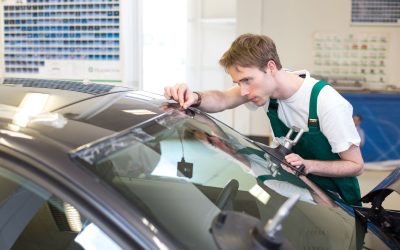
Car tint installation involves applying thin film layers to vehicle windows. These films vary in composition, which determines how well they perform against heat, glare, and long-term wear. Two of the most common types—ceramic and dyed—offer distinct benefits depending on a driver’s needs.
What is Dyed Window Film?
Dyed film is one of the oldest and most affordable options for automotive window tinting. It’s created by placing a layer of dye between an adhesive layer and a protective top coating.
Benefits of Dyed Film:
- Cost-Effective: Dyed film is generally less expensive than ceramic.
- Improved Privacy: Darker dyed tints provide a sleek, uniform appearance.
- Glare Reduction: Helps reduce sunlight glare during day driving.
Drawbacks of Dyed Film:
- Heat Rejection Limits: Dyed film absorbs heat but does not reject as much infrared radiation as ceramic film.
- Fading Over Time: Prolonged sun exposure can cause the dye to fade or discolor.
- Durability Issues: More prone to bubbling or peeling if not properly maintained.
Dyed film can be a practical solution for drivers who want the appearance of tinted windows without investing heavily in premium materials. However, Arizona’s high heat often highlights the film’s limitations.
What is Ceramic Window Film?
Ceramic film is a more advanced form of tint technology. Instead of dyes, it uses ceramic particles embedded in multiple layers of film. These particles are non-metallic and non-conductive, making ceramic film highly effective at blocking heat and UV rays.
Benefits of Ceramic Film:
- Superior Heat Rejection: Blocks a significant percentage of infrared rays, keeping car interiors cooler.
- UV Protection: Helps prevent skin damage and protects vehicle interiors from fading.
- Clarity and Visibility: Provides excellent visibility, even with darker shades, especially at night.
- Longevity: Highly durable and resistant to fading, bubbling, or peeling.
Drawbacks of Ceramic Film:
- Higher Cost: Ceramic tint is more expensive upfront compared to dyed film.
- Professional Installation Required: For maximum effectiveness, it must be installed by experienced technicians.
For drivers in Arizona, ceramic film is often considered the best window tinting option because of its ability to withstand extreme sunlight while maintaining long-term performance.
Comparing Ceramic and Dyed Film for Arizona Drivers
When deciding between ceramic and dyed film, drivers should weigh performance against budget.
- Heat Resistance: Ceramic film clearly outperforms dyed film, making it ideal for Arizona’s scorching summers.
- Durability: Ceramic tints are more resistant to fading and maintain performance longer.
- Cost: Dyed films are budget-friendly but may require replacement sooner.
- Aesthetics: Both films improve a vehicle’s appearance, but ceramic’s clarity ensures sharper visibility.
Ultimately, the choice depends on how much value drivers place on comfort, protection, and long-term durability. For short-term use or tighter budgets, dyed film may suffice. For those seeking premium performance, ceramic film is worth the investment.
Why Arizona’s Climate Demands the Best
Arizona’s combination of high temperatures and abundant sunshine makes window tinting less of a luxury and more of a necessity. Drivers spend significant time under the sun, and unprotected interiors can quickly become uncomfortably hot. UV rays can also cause long-term health risks, emphasizing the importance of effective tint.
Because of this, many drivers turn to ceramic film for its superior protection and reliability. In addition to comfort, the right tint contributes to vehicle longevity by preserving interior surfaces and reducing strain on air conditioning systems.
Final Thoughts
Whether you’re leaning toward ceramic or dyed film, the decision ultimately depends on balancing cost with performance expectations. Dyed film provides an affordable entry point into automotive window tinting, while ceramic film delivers the highest level of heat rejection and durability.
Drivers looking to protect their investment, improve driving comfort, and maintain a cooler vehicle interior often find ceramic film to be the smarter long-term choice.
For those considering their options, they can explore the best auto window tinting service in Peoria, AZ for professional insights and reliable installation.