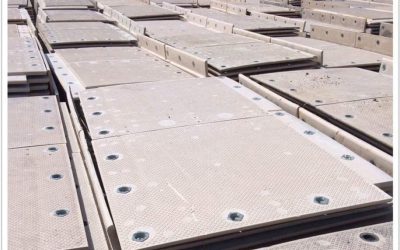
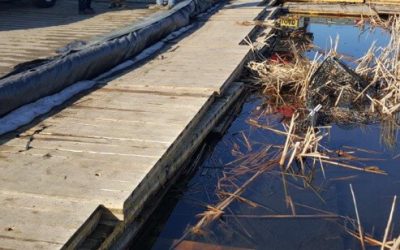
Construction projects across the United States are becoming increasingly complex, with heavy machinery and equipment playing a pivotal role in getting the job done efficiently. However, the use of such heavy equipment often leads to significant challenges, especially when it comes to preserving the integrity of the ground and minimizing environmental impact. Many construction professionals are now searching for effective solutions to safeguard their worksites, leading them to explore Ground Protection Mats For Heavy Equipment. This solution is gaining popularity among contractors who need to maintain safe, stable, and environmentally responsible job sites.
The Importance of Ground Protection on Construction Sites
Construction sites often face the challenge of working on uneven, soft, or sensitive terrain. When heavy vehicles and machinery traverse these surfaces, the resulting ground disturbance can cause multiple problems, including:
• Soil compaction and rutting
• Damage to underground utilities
• Increased risk of accidents and equipment getting stuck
• Costly site restoration and environmental fines
These issues not only delay project timelines but also add unexpected expenses. In addition, regulatory requirements for environmental protection are stricter than ever, making it essential for contractors to adopt practices that minimize site damage.
How Ground Protection Mats Work
Ground protection mats are engineered panels designed to distribute the weight of heavy machinery over a larger surface area. By creating a temporary, stable surface, these mats help prevent vehicles from sinking into soft ground or causing deep ruts. Typically made from durable materials such as high-density polyethylene (HDPE), composite plastics, or reinforced wood, these mats are built to withstand the extreme pressures of heavy-duty construction equipment.
The installation process is straightforward. Mats are laid out across the work area, interlocking or overlapping to create a continuous pathway or platform. This setup allows for the safe movement of cranes, excavators, trucks, and other machinery, even in challenging weather conditions.
Key Benefits of Using Ground Protection Mats
For construction professionals in the USA, the advantages of using ground protection mats are significant:
1. Enhanced Site Safety
Mats provide a stable, non-slip surface, reducing the risk of slips, trips, and falls for workers. They also help keep heavy equipment from getting stuck or tipping over on unstable ground, promoting a safer work environment.
2. Protection of Sensitive Environments
Many construction projects are located near wetlands, parks, or residential areas where environmental preservation is crucial. Ground protection mats minimize soil disturbance, helping contractors comply with environmental regulations and avoid costly remediation efforts.
3. Reduced Restoration Costs
Without proper ground protection, repairing a damaged worksite can be expensive and time-consuming. Mats help maintain the original condition of the ground, reducing or even eliminating the need for post-project restoration.
4. Increased Equipment Efficiency
Mats allow for easier movement of machinery, even in muddy or uneven conditions. This reduces delays caused by weather or site conditions, keeping projects on schedule and within budget.
5. Versatility and Reusability
Ground protection mats are highly versatile, suitable for a wide range of projects including road construction, utility installations, landscaping, and event management. Most mats are designed for repeated use, providing excellent long-term value.
Choosing the Right Ground Protection Mats
Selecting the appropriate ground protection solution depends on several factors:
• Weight and Type of Equipment: Heavier machinery requires mats with higher load-bearing capacity.
• Site Conditions: Soft, marshy, or uneven terrain may call for thicker or more robust mats.
• Project Duration: For long-term projects, durability and reusability become more important.
• Environmental Requirements: Mats should be non-toxic and compliant with local environmental regulations.
Consulting with suppliers and reviewing technical specifications can help ensure the mats chosen are suitable for the intended application.
Best Practices for Implementation
To maximize the effectiveness of ground protection mats, consider the following best practices:
• Proper Planning: Assess the worksite and map out mat placement before equipment arrives.
• Regular Maintenance: Inspect mats for damage and clean them periodically to maintain performance.
• Safe Handling: Use machinery or teams to move and position mats, following safety guidelines.
• Storage: Store mats in a dry, secure location between uses to extend their lifespan.
Meeting Modern Construction Demands
As construction projects across the USA continue to grow in scale and complexity, the need for reliable ground protection solutions becomes more pressing. By incorporating ground protection mats into their site management strategies, contractors can ensure safer, cleaner, and more efficient operations while meeting environmental and regulatory requirements.
In summary, ground protection mats offer a practical and cost-effective answer to the challenges posed by heavy equipment on construction sites. By investing in these innovative solutions, construction professionals can protect valuable land, enhance safety, and keep projects running smoothly from start to finish.