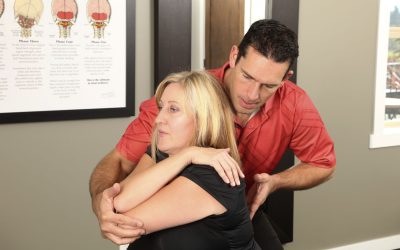
Back pain that limits bending can happen when the spine, discs, joints, muscles, or nearby nerves are under stress. Spinal Decompression may help some people by gently reducing pressure through the spine and supporting more comfortable movement.
For many people in Anaheim, CA, bending is not just one movement. It is part of getting dressed, tying shoes, lifting laundry, reaching into a cabinet, picking something up from the floor, or getting in and out of a car. When back pain makes bending difficult, daily routines can become slower, more guarded, and more uncomfortable.
Spinal Decompression treatment is often discussed when back pain feels deep, compressed, or pressure-based rather than only muscular. It is commonly used as part of a broader Chiropractic treatment plan when spinal pressure may be contributing to limited motion.
What Causes Back Pain When Bending?
Back pain during bending can come from several different factors. The spine must flex, stabilize, and coordinate with the hips, pelvis, and surrounding muscles. If one area is irritated or not moving well, the body may protect itself by tightening muscles or limiting motion.
Common contributors may include spinal joint restriction, disc pressure, muscle guarding, poor lifting mechanics, inflammation, or irritation around nearby nerves. Sometimes the pain appears only at the start of the movement. In other cases, it may worsen when returning to a standing position.
Pain with bending does not always mean there is a severe injury. However, repeated bending pain is a sign that the body is not moving comfortably through a basic pattern. That is why evaluation matters before choosing a care approach.
How Does Spinal Decompression Work?
Spinal decompression uses controlled traction to gently stretch the spine. This may help reduce pressure on spinal discs, joints, and surrounding structures. The goal is to create a more comfortable spinal environment so movement may become less guarded.
During treatment, the patient is positioned on a decompression table while the spine is gently stretched in a controlled way. The process is designed to be non-invasive and gradual. It does not force the body into motion, and treatment plans are usually based on the person’s symptoms, health history, and exam findings.
Spinal decompression treatment may be considered when back pain is linked to pressure, stiffness, disc irritation, or nerve sensitivity. It is not the right fit for every case, but it may be helpful for some people whose symptoms become worse during bending or position changes.
Why Can Bending Feel Worse Than Standing or Walking?
Bending changes how pressure moves through the spine. When a person bends forward, the spine, discs, ligaments, and muscles all respond to the shift in load. If the lower back is already irritated, this added pressure may make the area feel tight, sharp, heavy, or unstable.
Standing and walking may feel easier because the spine is more upright and the load is distributed differently. Bending can expose restrictions that are less noticeable during basic movement. That is one reason people may say they feel fine until they try to reach, lift, or lean forward.
A spinal decompression chiropractor may look at how the back responds to different positions instead of only focusing on pain level. This helps identify whether symptoms are connected to spinal pressure, muscle guarding, joint restriction, or movement habits.
When May Spinal Decompression Be Considered?
Spinal decompression may be considered when back pain limits bending, sitting, standing, lifting, or changing positions. It may also be discussed when the pain feels like pressure, compression, tightness, or deep discomfort in the lower back.
People may also explore decompression care when symptoms keep returning after rest. Rest may temporarily calm irritation, but it does not always address spinal loading, restricted movement, or pressure patterns.
For those near Anaheim, CA, learning more about spinal decompression can help clarify how this type of care fits into a broader chiropractic plan. Back to Care Chiropractic provides information about this service, and they focus on non-invasive care that supports spinal movement and comfort.
How Does Chiropractic Treatment Support Bending Comfort?
Chiropractic treatment may support bending comfort by evaluating how the spine, hips, muscles, and joints work together. Bending is not only a lower back motion. It also involves the pelvis, hips, core muscles, and nervous system coordination.
If the spine is restricted or irritated, nearby muscles may tighten to protect the area. This can make bending feel stiff or limited. Chiropractic care may help improve joint motion, reduce guarding, and support better movement patterns.
A care plan may include spinal adjustments, decompression, soft tissue support, movement guidance, or other conservative therapies. The exact plan depends on what is contributing to the person’s symptoms.
What Signs Should Not Be Ignored?
Back pain that limits bending should be evaluated if it keeps returning, lasts longer than expected, or interferes with normal routines. It is also important to seek professional guidance if pain travels into the leg, causes numbness or tingling, creates weakness, or becomes worse over time.
Pain that appears during bending can sometimes be a simple mechanical issue, but it can also involve disc pressure or nerve irritation. A proper evaluation can help determine which type of chiropractic treatment may be appropriate.
Ignoring recurring back pain may cause people to change the way they move. Over time, these changes can place more strain on nearby areas.
What Can People Do Before Their Appointment?
Before an appointment, it can help to track when bending pain happens. Notice whether it occurs when bending forward, returning to standing, twisting, lifting, or reaching. Also note whether sitting, walking, heat, stretching, or rest makes it better or worse.
This information gives the provider a clearer picture of the pattern. It can also help determine whether spinal decompression treatment may be worth discussing as part of care.
People should avoid forcing painful movement or heavy lifting if symptoms are increasing. Gentle movement may be helpful for some, but pushing through sharp or worsening pain is not recommended.
Take the Next Step Toward Easier Bending
If bending feels limited, stiff, or painful, it may be time to learn what is causing the pressure instead of working around it. Explore conservative care options, ask questions, and consider whether spinal support fits your needs. For Anaheim-area patients, a careful evaluation can help determine whether decompression or chiropractic care may support better daily movement.