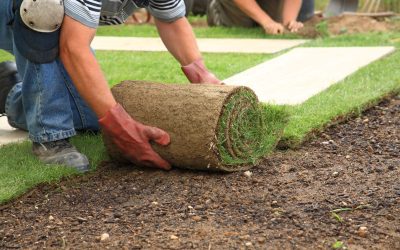
Gravel areas can help create cleaner, more organized yard designs by defining outdoor zones, reducing loose dirt, improving visual structure, and supporting practical movement through the space. In Peoria, AZ, gravel installation is often used within hardscaping and hardscape landscaping to connect patios, turf, walkways, planters, and outdoor living areas.
Arizona yards often face dry soil, dust, heavy sun exposure, and limited natural lawn coverage. Without planned ground coverage, outdoor spaces can feel unfinished or difficult to use. Gravel gives homeowners a simple way to shape the yard while keeping open areas more controlled, especially when paired with pavers, artificial turf, shade features, and other hardscape elements.
Why Gravel Works Well in Peoria Yard Design
Peoria’s desert climate makes gravel a practical material for many residential landscapes. It can cover bare soil, reduce muddy patches after rain, and create cleaner transitions between outdoor features. Since many Arizona yards include a mix of patios, turf, rock, and planted areas, gravel can help tie those elements together.
Gravel also works well because it can fit both small and large yard layouts. It may be used along walkways, around planters, beside turf areas, near seating zones, or across open sections of the yard that do not need grass. When installed with clear borders, gravel can make the entire outdoor space feel more intentional.
How Gravel Helps Define Outdoor Zones
One of the main benefits of gravel installation is its ability to separate outdoor areas without adding walls or bulky structures. A yard may have one area for dining, another for walking, another for plants, and another for open space. Gravel can help each zone feel distinct.
For example, gravel may be placed between artificial turf and a paver patio to create a clean visual break. It can also frame a seating area or guide movement from a side gate to a backyard. In hardscape landscaping, these small transitions matter because they help people understand how the space is meant to be used.
A defined yard layout can also reduce the appearance of clutter. Instead of having random open dirt areas, gravel helps create organized sections that serve a purpose.
How Gravel Reduces Loose Dirt Around the Yard
Bare soil can become a problem in Peoria yards, especially during dry and windy conditions. Dust can move across patios, collect near doors, and get tracked into the home. When rain does arrive, exposed soil may turn into mud or shift unevenly.
Gravel helps cover these exposed areas and creates a more stable surface. It can reduce the amount of loose dirt that moves around the yard and help keep patios, walkways, and turf areas cleaner. This is especially useful near high-traffic areas such as side yards, gates, trash bin paths, pool equipment areas, and outdoor seating zones.
While gravel still needs occasional care, it can make outdoor spaces easier to manage compared to open soil.
Where Gravel Installation Can Be Used
Gravel is flexible enough to support many hardscaping layouts. It can be used in side yards, front entries, backyard borders, garden paths, planter beds, utility spaces, and around pavers or turf.
In side yards, gravel can create a cleaner walking path between the front and back of the home. Around patios, it can soften the transition from hard surfaces to planted areas. Near artificial turf, it can serve as a border that keeps the layout clean and structured.
Gravel can also support spaces that are not meant for heavy activity. For example, a section beside a wall or fence may not need turf or pavers, but gravel can make the area look complete and prevent it from becoming a dusty strip.
How Gravel Works With Pavers and Turf
Gravel is often used alongside pavers and artificial turf because each material serves a different purpose. Pavers provide stable walking or seating surfaces. Turf creates a softer green area. Gravel fills and defines the spaces between these features.
When these materials are planned together, the yard can feel more balanced. A paver walkway may be bordered with gravel. A turf area may be framed with decorative rock. A patio may connect to a gravel pathway that leads to planters or a shaded seating area.
This type of hardscape landscaping can make the yard more usable without relying on one material across the entire space. The result is a layered design that supports movement, appearance, and function.
Why Borders Matter for Gravel Areas
Borders are important in gravel installation because they help keep the material contained. Without edging, gravel may scatter into turf, pavers, patios, or planting areas. This can make the yard look messy and may require more cleanup.
Common border options include concrete curbing, paver edges, metal edging, or hardscape borders. The right choice depends on the yard layout and the surrounding materials. A clean border can also improve the appearance of the space by creating crisp lines between different zones.
In Peoria yards, borders can be especially helpful in areas with slopes, foot traffic, or frequent movement between outdoor surfaces.
What Homeowners Should Consider Before Adding Gravel
Before adding gravel, homeowners should think about the purpose of the area. Will it be used as a walking path, a visual border, a planter area, or a ground cover for open space? The answer can affect the gravel size, color, depth, and edging plan.
Color is also important. Gravel should complement the home, pavers, turf, and existing hardscape materials. Lighter rock may create a bright desert look, while darker tones can add contrast. Texture and size matter too, especially if the area will be walked on often.
Drainage should also be reviewed. Gravel can help water move through a surface, but the area still needs proper grading so water does not collect near the home, patio, or other structures.
Turn Loose Yard Areas Into Organized Outdoor Space
Gravel installation can help Peoria homeowners turn bare, dusty, or undefined yard sections into cleaner and more organized outdoor areas. When combined with hardscaping, turf, pavers, and clear borders, gravel can support a yard that looks more complete and works better for daily use.
For homeowners planning a cleaner outdoor layout in Peoria, TURFD provides professional hardscaping services that can include gravel, turf, pavers, and organized hardscape landscaping built around how the yard is used. Their team can help shape open areas into defined spaces that support cleaner movement, stronger structure, and a more finished outdoor design.