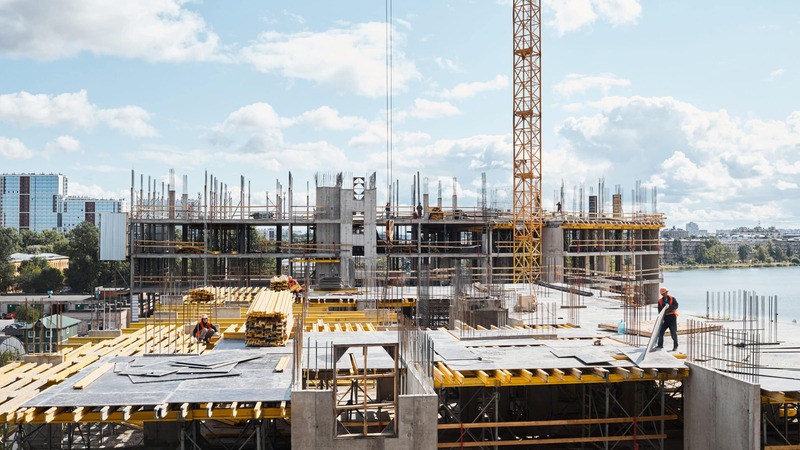
Safety is paramount when it comes to operating heavy equipment rentals for construction projects. In Maricopa County, AZ, contractors rely on heavy machinery for tasks ranging from excavation and grading to material handling and lifting. However, working with large equipment can pose significant risks if safety protocols are not followed. Understanding and implementing safety best practices is crucial to prevent accidents, protect workers, and ensure that projects run smoothly.
Heavy equipment rental provides contractors with the flexibility to access high-quality machinery without the upfront costs of ownership. But with this convenience comes the responsibility of ensuring safe operation. We will discuss essential safety practices to follow when using heavy equipment rentals on construction sites.
The Importance of Safety in Construction Equipment Rentals
The risks associated with heavy equipment are heightened when operators are not fully trained or when proper safety checks are not completed. Contractors in Maricopa County who rent construction equipment must ensure that their team is prepared to operate machinery safely. Failing to do so can result in accidents that cause injury or damage to property, as well as costly delays.
Safety in construction is not just about following protocols for the sake of compliance; it directly impacts the success of the project. The right equipment, proper operator training, and daily maintenance routines all play a role in reducing risks. Contractors who prioritize safety also help ensure that rental equipment remains in optimal condition, reducing the likelihood of breakdowns and unanticipated repair costs.
Pre-Operation Checks: Ensuring Equipment Readiness
Before operating any heavy machinery, conducting a thorough pre-operation inspection is essential. This is especially true when renting equipment, as you may not be familiar with the machinery’s condition. Here are key steps to follow during pre-operation checks:
- Inspect the Equipment: Check for any visible damage, wear and tear, or loose parts. Ensure that all safety features, such as seat belts, backup alarms, and lights, are functioning correctly.
- Fluid Levels: Verify that the oil, hydraulic fluids, and coolant levels are adequate to avoid overheating or system malfunctions.
- Tires and Tracks: Inspect the tires for proper inflation and check the tracks (if applicable) for any visible signs of damage or wear.
- Safety Features: Ensure that all safety mechanisms, including emergency shut-offs and fire extinguishers, are in place and operational.
- Work Area Safety: Clear the work area of any obstacles, ensuring there is enough space for the equipment to maneuver without hitting other structures or workers.
By conducting these checks before each use, contractors can help ensure the equipment is in optimal working condition and ready for safe operation.
Operator Training and Certification
One of the most critical aspects of heavy equipment safety is proper operator training. Contractors should ensure that all personnel operating machinery are certified and have experience with the specific equipment being used. In Maricopa County, AZ, operators are often required to complete specialized training and obtain certification to operate certain types of heavy equipment.
Here’s why proper training is crucial:
- Understanding Equipment Controls: Each piece of heavy equipment has unique controls. Operators need to be familiar with these controls to avoid accidents and ensure smooth operation.
- Safety Awareness: Training programs include essential safety information, such as how to operate the equipment in different terrains, what safety features to use, and how to respond to emergencies.
- Regulatory Compliance: Many types of construction equipment require specific certifications. Training helps contractors meet local regulations and ensure compliance.
Investing in operator training not only improves safety but also ensures that the equipment is operated efficiently, which can save time and money on the job site.
Safe Operation on the Job Site
Once the pre-operation checks are complete and the operator is trained, it’s time to safely operate the equipment. Here are some best practices to follow during operation:
- Stay Focused: Operating heavy equipment requires undivided attention. Distractions can lead to accidents. Operators should avoid using mobile phones and stay focused on the task at hand.
- Maintain a Safe Distance: Ensure that workers remain at a safe distance from the equipment while it is in operation. Operators should always use spotters when working in tight areas or with limited visibility.
- Proper Lifting Techniques: When using cranes, excavators, or other lifting machinery, make sure loads are properly secured and balanced. Avoid overloading the equipment.
- Monitor Weather and Ground Conditions: Weather conditions can affect the performance of heavy equipment. Wet or muddy ground can reduce traction and make machinery more difficult to control. Operators should adjust their approach based on ground conditions to ensure safety.
- Follow Equipment Limits: Never exceed the manufacturer’s recommended load limits. Overloading equipment can cause it to malfunction, leading to costly repairs and safety hazards.
By adhering to these guidelines, contractors can ensure that their work is completed safely and efficiently.
Post-Operation Care and Maintenance
After a day’s work, it’s just as important to properly care for the equipment as it is to inspect it before use. Post-operation maintenance helps prevent equipment failure and extends its life. Here are some key tasks to complete after operation:
- Clean the Equipment: Remove dirt, debris, and any material that may have built up on the machinery during the day.
- Check for Damage: Inspect the equipment for any damage that occurred during use and report any issues to the rental company.
- Store Properly: When the equipment is not in use, store it in a safe location to protect it from weather conditions or potential theft.
Regular post-operation care ensures the equipment remains in good condition, reducing downtime and repair costs.
Heavy Equipment Safety Best Practices
To maintain safety standards on construction sites in Maricopa County, AZ, contractors should follow these best practices consistently. Proper pre-operation checks, operator training, safe operation on the job site, and post-operation care will help reduce accidents, maintain equipment, and ensure a successful project outcome.
For more information on heavy equipment safety best practices, explore heavy equipment safety best practices to enhance safety and efficiency on your construction projects.