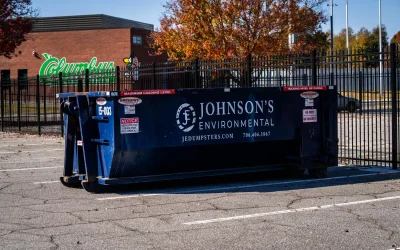
Landscaping projects are often exciting endeavors, but they can also produce a significant amount of waste. From removing old shrubs and trees to laying new sod and gravel, the debris generated during landscaping can quickly accumulate, creating a mess on your property. A dumpster rental is one of the most convenient solutions for managing this waste.
However, selecting the right size dumpster for your landscaping project is essential for ensuring a smooth and efficient cleanup process.
Why a Dumpster Rental Is Essential for Landscaping Projects
Landscaping projects, whether large or small, produce a variety of waste materials, including dirt, soil, branches, leaves, mulch, and even concrete or bricks from patios or garden beds. Managing this waste can become overwhelming if not handled properly. Rather than trying to dispose of these materials yourself or using inappropriate containers, a dumpster rental allows you to efficiently manage and dispose of landscaping debris without hassle.
Opting for a dumpster rental provides several key benefits:
- Convenience: Having a dumpster on-site allows for easy disposal of waste, which means no running to the landfill or dealing with bags of yard debris.
- Organization: A dedicated space for waste helps keep your worksite clean and organized, reducing clutter and increasing productivity.
- Time-saving: A 10-yard dumpster or larger rental can hold all of your landscaping waste, meaning you won’t need to stop and haul debris away during the project.
When looking for a reliable partner for your landscaping dumpster needs, companies like Dumpsters INC. offer efficient and affordable dumpster rental services.
How to Choose the Right Size Dumpster for Landscaping Projects
Selecting the correct dumpster size is crucial for both your budget and the efficiency of your project. Here are some factors to consider when choosing the right dumpster rental size for your landscaping project:
1. The Scope of Your Landscaping Project
The first step in choosing the right dumpster rental is understanding the scale of your landscaping work. Small to medium projects like planting new shrubs, adding mulch, or creating flower beds will generate less waste than larger projects such as tree removal, lawn replacement, or building outdoor structures like patios or garden walls.
For smaller landscaping projects, a 10-yard dumpster is often sufficient. It can hold approximately 3-4 pickup truck loads of debris, making it ideal for handling yard waste, grass clippings, small shrubs, and mulch. For larger projects, such as the removal of large trees, heavy debris, or soil, you may need a larger dumpster—typically a 20-yard or 30-yard dumpster.
2. Types of Waste Produced
The type of waste you’ll be disposing of plays a significant role in determining the size of the dumpster you need. Landscaping debris can range from lightweight grass clippings and leaves to heavy tree branches and soil. If you’re working with heavier materials like tree trunks, large stones, or sod, you may need a larger dumpster to accommodate these types of waste.
- Lightweight Waste: If your project mainly involves the removal of leaves, grass clippings, or small plants, a 10-yard dumpster will likely be sufficient.
- Heavier Waste: For projects involving the removal of tree stumps, large rocks, or heavy soil, a 20-yard or larger dumpster rental is recommended.
3. How Much Space Do You Have on Site?
When renting a dumpster for a landscaping project, it’s essential to consider the available space on your property for dumpster placement. Larger dumpsters require more space for delivery and pickup, and if your property is limited in space, it may be best to opt for a smaller 10-yard dumpster.
It’s also important to place the dumpster in a convenient location that won’t obstruct your work area or make it difficult for workers to access materials. Ideally, the dumpster should be placed close to the worksite but not in the way of equipment or ongoing activities. Be sure to check with your rental company about their specific requirements for drop-off and pick-up, ensuring that the delivery truck can access the area.
4. Estimated Duration of the Project
If your landscaping project is expected to take longer, you may need a larger dumpster to accommodate the increasing amount of waste produced. Conversely, shorter, one-day projects may only require a smaller dumpster.
Make sure to discuss your project timeline with your dumpster rental provider. Some companies offer extended rental periods or flexible pickup schedules that can help you manage waste disposal over an extended period. The flexibility can be particularly helpful if your landscaping project evolves or if unexpected debris accumulates.
5. Budget Considerations
Larger dumpsters typically come with higher rental costs. It’s important to balance the size of the dumpster with your project’s budget. While opting for a larger dumpster may seem like a safer bet, it’s important not to overestimate your needs. A 10-yard dumpster is generally the most cost-effective option for smaller landscaping jobs and can save you money compared to renting a larger dumpster that may not be necessary.
When calculating the cost of a dumpster rental, also factor in additional costs such as delivery, pickup, and disposal fees.
Final Thoughts
Choosing the right dumpster rental for your landscaping project is essential for efficient waste management and ensuring that your project stays on track. Whether you need a 10-yard dumpster for small jobs or a larger container for extensive landscaping tasks, it’s important to consider the scope of your project, the type of waste, available space, and your budget.
Renting a roll-off dumpster provides the convenience and flexibility you need to keep your landscaping project organized and debris-free.