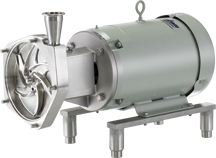
Selecting a pump for a food processing line involves more than matching pipe size and flow rate. The right choice can support product quality, reliable production, and efficient cleaning while helping a facility meet applicable food safety requirements. When researching a Sanitary centrifugal pump, compare its design and operating limits with the product, process, and cleaning procedures it will serve.
Start with the Product and Process
First, define what the pump will move. A thin beverage behaves differently from a viscous sauce, puree, or dairy mixture. Consider the product’s viscosity, temperature, solids content, and sensitivity to shear. A centrifugal pump is often a good fit for relatively low-viscosity fluids and steady, continuous transfer. However, products with large particulates or high viscosity may call for another pump style or a specially configured centrifugal model.
Next, establish the required flow rate and total dynamic head. Total dynamic head accounts for elevation changes, pipe length, fittings, valves, and pressure needed at the destination. Avoid choosing a pump based only on its maximum rated capacity. A unit operating far from its best efficiency point may consume more energy, generate excess heat, or experience premature wear. Ask for a pump curve and compare the expected operating point with the manufacturer’s recommended range.
Verify Sanitary Design and Cleanability
For food applications, hygienic construction is essential. Review wetted materials, surface finish, seals, and connection types, and confirm they suit the product and cleaning chemicals. Smooth, drainable product-contact surfaces and a design that minimizes crevices can reduce areas where residue may collect. The specific requirements vary by facility and application, so verify that the equipment documentation supports your sanitation program and relevant regulatory obligations.
Also determine how the pump will be cleaned. If it will remain in the line during clean-in-place (CIP) cycles, confirm that the design and operating conditions support effective cleaning. Check temperature, chemical compatibility, flow velocity, and any recommended cleaning sequence. If the unit must be disassembled for cleaning, consider how quickly and safely staff can access its components. Easier inspection and reassembly can reduce downtime and help prevent errors between production runs.
Match Materials and Operating Conditions
Product-contact materials should withstand both the food being transferred and repeated exposure to sanitizers or cleaning solutions. Seal selection deserves particular attention: an unsuitable elastomer can swell, crack, or lose its ability to seal. Review normal and peak operating temperatures, pressure, and any vacuum conditions, then confirm material compatibility with the equipment supplier.
Consider installation details, too. Check available space, motor requirements, pipe alignment, and whether the system needs variable-speed control. Proper alignment and support help limit vibration and stress on connections. If the line handles delicate products, controlled speed may help manage flow and reduce unwanted product damage.
Evaluate Total Cost and Support
Purchase price is only one part of the decision. Estimate energy use, maintenance intervals, spare-parts availability, cleaning time, and the cost of production interruptions. Ask for clear guidance on routine inspection, seal replacement, and troubleshooting. A well-sized pump with accessible components may deliver better long-term value than a cheaper model that is difficult to maintain.
Before ordering, document the product characteristics, flow and pressure targets, cleaning method, and installation constraints. Then review the proposed configuration with a qualified pump professional. Matching these factors carefully helps food processors choose equipment that supports hygienic operation, dependable throughput, and practical maintenance across the life of the line.