Maple Grove winters can bring heavy snowfall, freezing rain, gusty winds, and long stretches of below-freezing temperatures. Together, these conditions test a roof’s materials, drainage, and ability to keep indoor heat where it belongs. Homeowners searching online for Roofing maple Grove MN can use a winter-focused inspection to identify weak spots before cold weather turns a small issue into an expensive repair.
Why winter roof protection matters
Snow may look harmless, but repeated snowfall can build up and place significant weight on a roof. Wet snow is especially heavy. A sound roof assembly helps carry that load, while proper flashing and securely fastened shingles help keep wind-driven snow and rain from entering around vulnerable areas. If roofing components are aging, damaged, or poorly installed, winter weather can expose those problems quickly.
Freeze-thaw cycles create another challenge. Water can work its way beneath loose shingles or into small cracks, then expand as it freezes. Over time, this movement may worsen damage and allow moisture to reach the roof deck, attic, or interior ceilings. Addressing worn shingles, open seams, and deteriorating flashing before winter helps reduce the chance of leaks.
Preventing ice dams and moisture problems
Ice dams form when heat escaping into the attic warms the roof and melts snow. The meltwater flows toward the colder eaves, where it refreezes. As ice builds, water can back up beneath shingles and seep into the home. Good roof protection therefore depends on more than the exterior surface.
A well-functioning attic helps keep roof temperatures more consistent. Proper insulation slows heat loss from living spaces, while balanced ventilation helps remove excess heat and moisture. Together, these measures can reduce conditions that contribute to ice dams, condensation, and mold growth. They also support more consistent indoor temperatures and may help limit wasted energy.
Keep gutters and downspouts clear of leaves and debris before winter so melting snow can drain freely. Check that attic vents are not blocked by insulation, and look for signs of moisture such as damp insulation, frost on roof sheathing, or water stains. These clues can point to ventilation or insulation problems that deserve attention.
Smart maintenance before and during winter
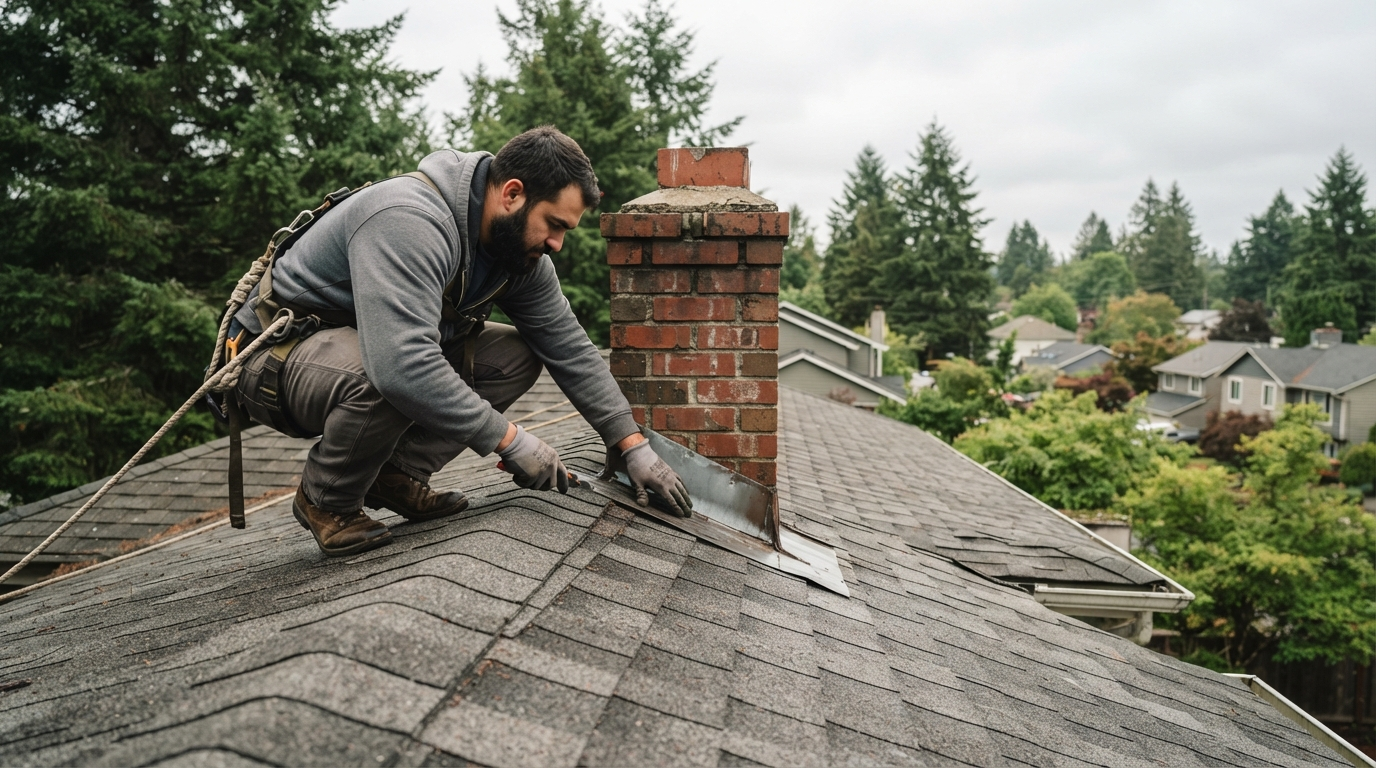
A professional roof assessment before the first major snowfall can reveal issues that are easy to miss from the ground. An inspection may check for cracked or missing shingles, lifted edges, loose flashing, aging sealant, and vulnerable roof penetrations such as vents and chimneys. Repairing these areas early is generally easier than responding to a leak during freezing weather.
Homeowners can also take a few practical steps:
• Trim branches that hang over the roof to reduce damage from falling limbs.
• Inspect ceilings and upper walls for new stains after storms.
• Use binoculars for a ground-level visual check rather than climbing onto a slippery roof.
• If snow buildup is a concern, consult a qualified professional instead of attempting risky removal.
After a storm, watch for sagging rooflines, unusual creaking, or persistent leaks. These signs call for prompt evaluation. Avoid chipping ice or using sharp tools on shingles, since that can cause further damage.
A winter-ready roof is supported by durable materials, sound installation, effective attic insulation and ventilation, and timely maintenance. By checking vulnerable areas before severe weather arrives and responding quickly to warning signs, Maple Grove homeowners can better protect their homes from snow, ice, wind, and moisture throughout the season.