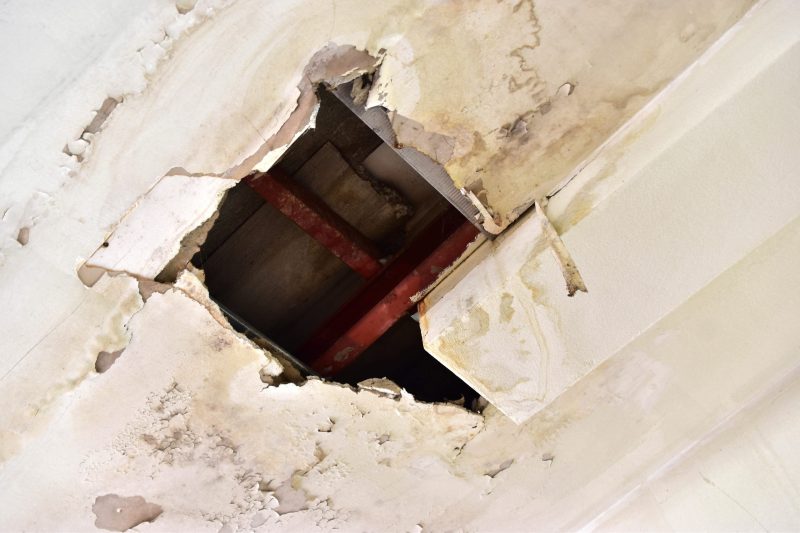
A second leak during water damage restoration calls for prompt professional reassessment of the water source, affected areas, and existing work plan. Depending on the findings, the project may need additional water removal, revised drying arrangements, updated documentation, or changes to scheduled repairs.
A new leak does not automatically mean that all previous work must be repeated. It does mean the team needs current information before relying on earlier conclusions about the property.
For homeowners in Surprise, AZ, this can be frustrating when repairs already seem close. Understanding what changes—and what may still be valid—helps make the next conversation with the restoration team more productive.
Does a Second Leak Mean the Original Problem Was Never Resolved?
Not necessarily. A separate plumbing failure, a new storm-related intrusion, or another water source can affect a property while restoration is underway. Alternatively, the original source may still require attention.
There is also a distinction between a new water release and moisture remaining from the first event. Homeowners should not have to determine which explanation applies without professional evaluation.
A water damage restoration specialist can reassess moisture conditions and explain what the findings establish. Confirming the cause may require coordination with a plumber, roofer, or another qualified professional, depending on the source.
For example, a laundry supply connection could fail while an unrelated kitchen area is being restored. That situation presents different questions from renewed water entering the same kitchen wall.
The investigation should establish the relationship between the events before anyone assumes a cause or decides which work must change.
What Happens to the Active Work Plan?
The existing plan needs review against the newly observed conditions. Work that depends on a dry, stable area may need to pause while the team evaluates the second leak.
That does not necessarily stop every activity throughout the home. The relevant questions are whether the new water affects the original work area, whether it introduces additional hazards, and whether other work can continue without interfering with the response.
During water damage mitigation, the immediate priorities include limiting additional damage and evaluating the affected materials. A second leak can change those priorities even when equipment is already operating.
Homeowners should promptly notify the project contact and describe what has been reported or observed. They should request professional guidance about access restrictions and the next assessment rather than changing equipment or entering questionable areas to investigate.
How Are the First and Second Events Documented?
A clear timeline helps explain how the property changed. Earlier photographs, moisture readings, and work records provide context for the new assessment.
Useful project records may distinguish:
- Conditions documented before the second leak.
- When the additional water was discovered.
- The suspected or confirmed source of the new water.
- Areas affected by both events.
- Areas newly involved after the second event.
- Changes recommended following reassessment.
The distinction matters when the same room becomes wet again. A higher reading in a previously monitored area needs to be considered alongside the timing and location of the new water release.
Earlier records should remain part of the project history. New findings add to that history and help explain why recommendations may change.
Documentation can clarify the work performed, but it should not be treated as an automatic determination of responsibility or insurance coverage. Those questions require separate review by the appropriate parties.
Will Emergency Water Extraction Be Needed Again?
It may be needed if the second event introduces standing water or excess water that requires professional removal. Existing drying equipment does not eliminate the need to assess a fresh release.
Emergency water extraction services address water removal; structural drying addresses moisture remaining in affected materials. A project already in the drying stage can return to extraction when conditions require it.
The scale of that response depends on what happened. A new release affecting another room may require additional work there, while water reaching the original area may change the existing setup.
Water source and contamination concerns also influence the response. The team should reassess those conditions rather than assume the second event can be handled exactly like the first. Sunrise Restoration
For the homeowner, the useful question is what additional work is recommended now and how it connects with work already completed.
How Does New Water Affect the Drying Plan?
A drying plan reflects the materials and moisture conditions being addressed. When another leak changes those conditions, earlier equipment placement or expected progress may no longer fit the situation.
Professional reassessment may lead to adjustments in equipment, monitoring locations, or the areas included in the plan. Additional moisture in one room can also prompt evaluation of adjoining spaces.
Earlier Progress Still Provides Context
If readings had been moving toward the drying goal before the second leak, those records remain useful. They help the team explain the change in conditions and assess which areas need renewed attention.
Some materials may have remained unaffected by the additional water. Others may require further drying or a different approach based on their present condition.
Completion Depends on Current Findings
A previous expectation that drying would finish on a certain day needs review after rewetting. The relevant question becomes whether the affected materials now meet the project’s drying goals.
This is why a second leak cannot be translated into a standard number of extra days. The revised plan should follow the assessed conditions and subsequent monitoring.
What If Repairs Have Already Started?
The project stage influences what needs reassessment. A second leak during initial water removal raises different scheduling concerns from one that occurs after replacement materials are installed.
If repairs have not begun, the team can review whether the planned transition to rebuilding remains appropriate. If repairs are underway, they need to evaluate whether new water reached completed work or materials awaiting installation.
Consider these possible situations:
- Before reconstruction: The start of repairs may change while additional drying or cleaning is addressed.
- During reconstruction: Newly affected work may need evaluation before the next task proceeds.
- Near completion: Final handover may need review if renewed moisture affects areas previously considered ready.
These are planning possibilities, not automatic outcomes. A water damage repair company should explain which completed or scheduled tasks are affected and the findings supporting that conclusion.
The U.S. Environmental Protection Agency advises against enclosing, sealing, or painting wet materials. That guidance supports reassessing newly affected areas before continuing work that would cover them. US EPA
How Might the Scope, Estimate, and Schedule Change?
A second event may introduce work outside the earlier scope. Homeowners should ask for a clear explanation of additional assessment, extraction, drying, cleaning, or repairs being recommended.
A useful revision distinguishes work already performed from newly proposed activities. It should also explain whether earlier planned tasks remain appropriate or need adjustment.
Questions worth discussing include:
- Which additional areas or materials require attention?
- What previously planned work has changed?
- Does the revised scope affect the estimate?
- What approval is needed before additional work proceeds?
- Which scheduling assumptions remain uncertain?
A revised completion date may depend on information that is not yet available. Rather than relying only on a new date, homeowners can ask about the next measurable milestone.
For example, the next milestone might be reassessing materials after further drying. Once that information is available, the team can explain its implications for repair scheduling.
What Should Be Confirmed Before the Project Moves Forward?
The revised plan should connect the second event with the next stage of work. Homeowners need to understand what has been established, what remains unresolved, and who is responsible for each upcoming task.
Confirming the water source is particularly important. Drying affected materials and repairing the cause of water entry are related activities, but they may involve different professionals. Clarify which source-related work has been completed and what still needs verification.
The team should also explain any changes to room access, household disruption, or return visits. An area previously available to occupants may require new restrictions after additional water enters.
Before reconstruction resumes in a newly affected area, ask what findings support that decision. Before final handover, ask whether the records and remaining work reflect both events.
A second leak complicates an active project, but it does not provide a single answer about the amount of work remaining. Prompt professional reassessment, a documented explanation of the changes, and a revised plan give homeowners a clearer basis for deciding what happens next.
About Sunrise Restoration & Consulting
Sunrise Restoration & Consulting provides water restoration and reconstruction for Surprise and surrounding West Valley communities from their base in Waddell, Arizona. They are an IICRC Certified Firm and a licensed, bonded, and insured Arizona contractor operating under ROC 354314. Their team can be reached at (623) 404-2955, and homeowners can find their Waddell location on Google Maps. Sunrise Restoration