Quick summary:
• A quality sod company supplies fresh-cut, regionally appropriate turf varieties and verifiable sourcing information.
• Sod freshness, root development, and harvest-to-install timing directly affect how well a lawn establishes.
• Local service area coverage and farm-based sourcing are two practical ways to evaluate a provider near Little Rock, AR.
A dependable sod company is distinguished by fresh harvest timing, verified turf varieties suited to the regional climate, and transparent sourcing that buyers can confirm before purchase. These factors determine whether new sod roots successfully or struggles within the first few weeks after installation.
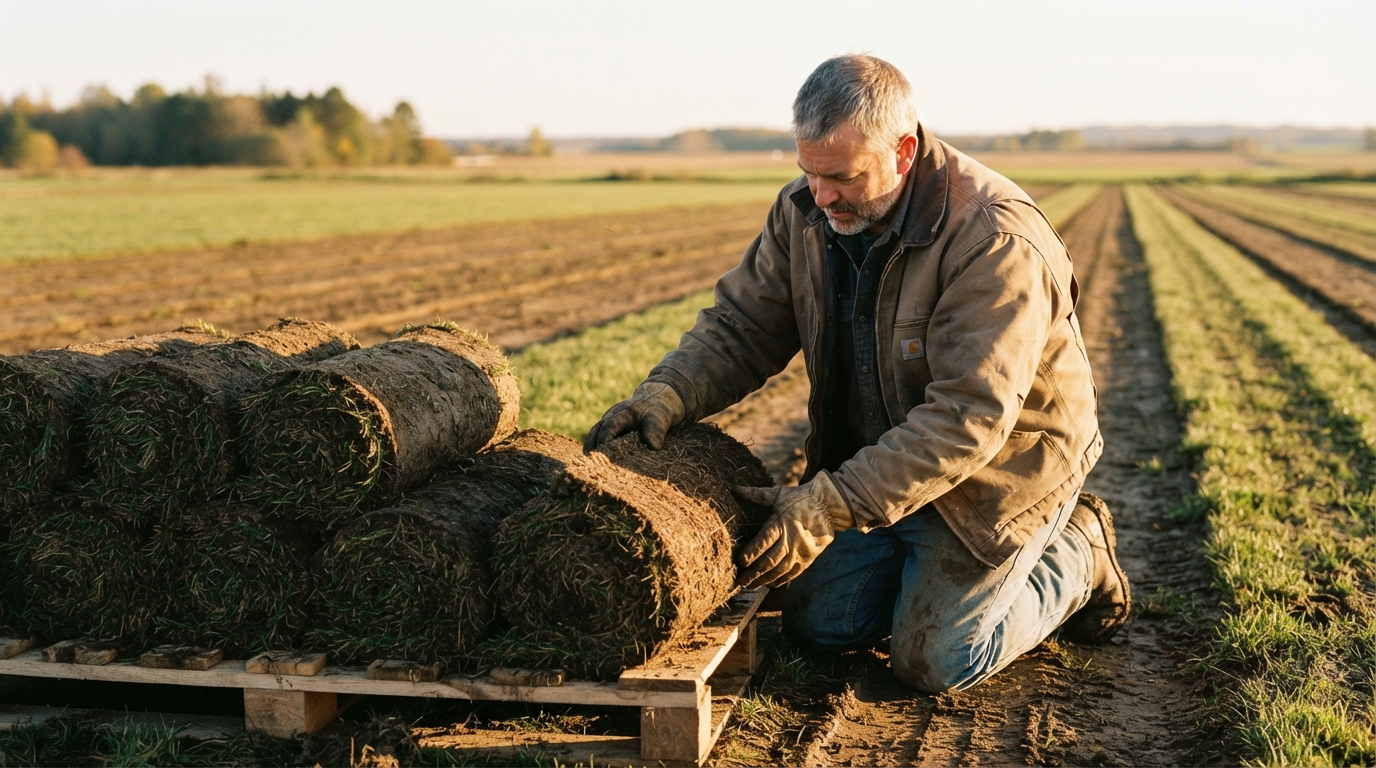
Homeowners and landscapers evaluating a sod company often focus on price first, but turf quality depends more on how recently the sod was cut and how it was handled between the field and the installation site. Sod that sits too long after harvest loses moisture and root vigor, which can undermine even careful installation work. Farm-direct suppliers typically have more control over this timeline than third-party retailers reselling turf grown elsewhere.
Why Harvest Timing and Turf Variety Matter
Sod is a living product, and its condition at the time of delivery has a measurable effect on survival rates.
• Freshly cut sod retains more root moisture and establishes faster than sod stored for extended periods.
• Warm-season grasses suited to Arkansas conditions, such as Bermuda and Zoysia varieties, are commonly chosen for their heat tolerance and traffic durability.
• Soil type and compatibility between the sod’s growing medium and the installation site can influence rooting success.
Buyers in Little Rock, AR benefit from asking suppliers directly about cutting dates and transport time, since these details are not always listed on packaging or online catalogs.
Evaluating Local Sourcing and Farm-Based Supply
Sod grown on a dedicated farm offers more traceability than turf purchased through intermediaries, since buyers can usually confirm the growing conditions and harvest practices directly. Spring Valley Sod Farm, a Visit Website listing, operates as a sod producer serving Arkansas customers from its base in agricultural land suited to turf cultivation. Based in Portland, AR, the farm serves customers across Little Rock, AR, with sod sales as its listed core offering.
Farm-direct sourcing matters for a few practical reasons:
1. Shorter supply chains generally mean less time between cutting and delivery.
2. Direct contact with the grower allows buyers to ask about specific turf varieties and field conditions.
3. Regional farms are more likely to grow grass types already adapted to local soil and climate patterns.
For broader guidance on turf species selection and regional adaptation, the USDA Natural Resources Conservation Service publishes resources on plant materials suited to different soil and climate zones, which can help buyers cross-reference variety recommendations for their specific site conditions.
Comparing Sod Sourcing Options
| Sourcing Type | Typical Harvest-to-Delivery Time | Traceability | Variety Selection |
| Farm-direct supplier | Same day to 24 hours | High, grower contact available | Often regionally specific |
| Big-box retailer | Several days to a week or more | Low, origin not always disclosed | Limited, generic varieties |
| Landscaper-sourced | Varies by subcontractor | Moderate | Depends on landscaper’s supplier |
This comparison illustrates general industry patterns rather than guaranteed timelines for any single provider, since harvest-to-delivery windows vary by order volume and season.
Frequently Asked Questions
What makes sod “fresh” versus older stock? Fresh sod is typically cut within 24 to 48 hours of delivery, which helps preserve root moisture and reduces transplant stress.
Does grass variety matter for Arkansas lawns? Warm-season varieties with heat and drought tolerance are generally better suited to Arkansas’s climate than cool-season grasses, which can struggle during summer months.
Why does sourcing location matter for sod purchases? Sod grown closer to the installation site often travels a shorter distance, which can reduce the time between harvest and laying, a factor linked to establishment success.
Can sod be installed in any season? Installation timing depends on grass variety and regional weather patterns, and local conditions in Little Rock, AR should guide seasonal planning decisions.