Summary:
• Routine HVAC maintenance in St. Petersburg catches small issues, like dirty coils or low refrigerant, before they turn into expensive breakdowns.
• A seasonal checklist covering filters, coils, ductwork, and electrical connections helps systems run efficiently in Florida’s heat and humidity.
• Professional tune-ups paired with homeowner upkeep extend equipment life and reduce energy costs.
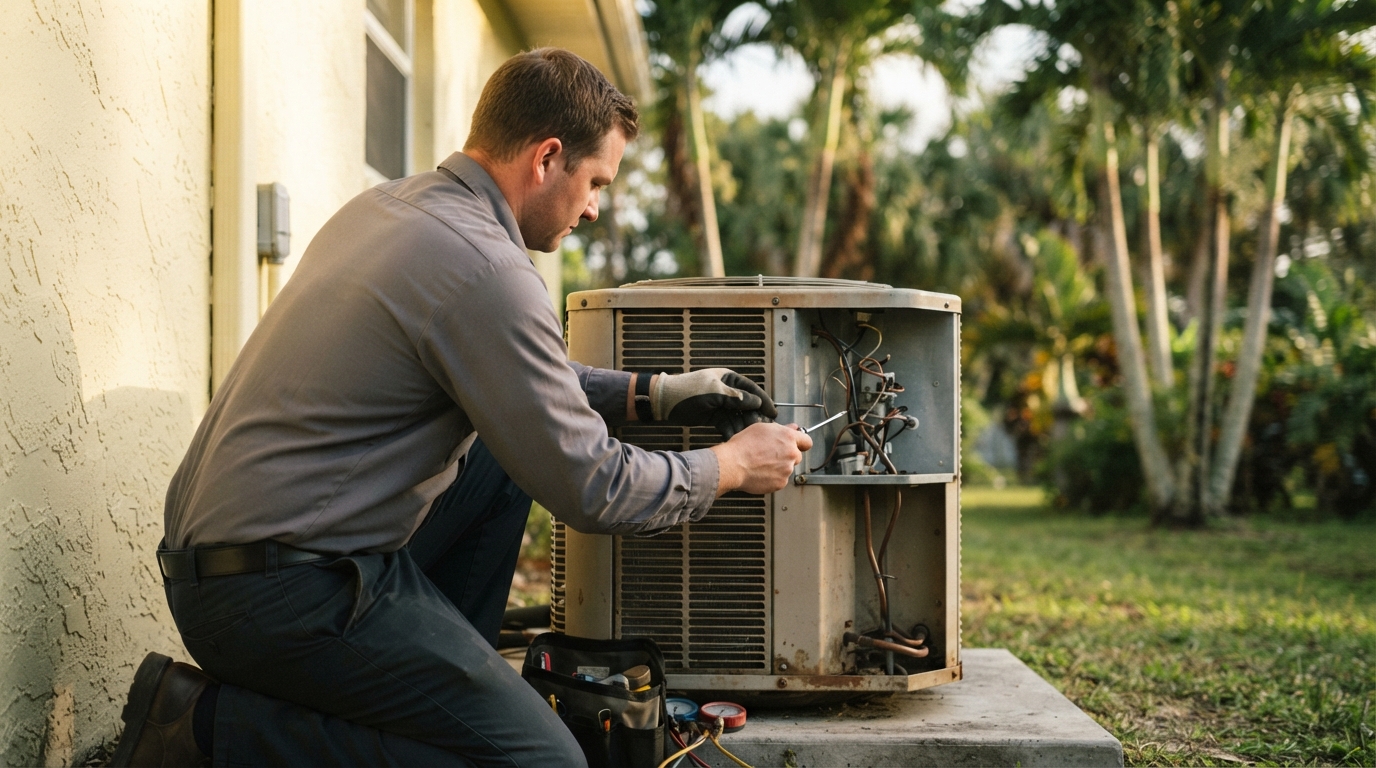
Regular HVAC maintenance in St. Petersburg FL prevents the gradual wear that leads to compressor failures, refrigerant leaks, and emergency repair calls. A consistent maintenance schedule, combining homeowner tasks with professional inspections, keeps cooling systems running efficiently through Florida’s long, humid summers.
Pinellas County homes rely on air conditioning nearly year-round, which puts extra strain on components that might get a seasonal break elsewhere. Scheduling HVAC Maintenance In St Petersburg FL on a routine basis helps homeowners avoid the kind of neglected wear that turns a minor fix into a major expense. Skipping these checkups does not just risk comfort; it accelerates the breakdown of parts that are costly to replace.
Why Preventive Maintenance Matters in Florida’s Climate
Heat and humidity accelerate wear on outdoor condensers, coils, and electrical components. Without regular attention, small problems compound quickly.
• Reduced efficiency : A dirty condenser coil can reduce HVAC system efficiency by 5 to 30 percent, increasing energy costs and compressor wear, according to a recent HVAC maintenance checklist guide.
• Shortened equipment life : Neglected filters, coils, and blowers force systems to work harder, straining motors and compressors over time.
• Higher failure risk : Slow refrigerant leaks and aging capacitors often go unnoticed until the system fails entirely, usually during peak summer demand.
A Practical HVAC Maintenance Checklist
Homeowners can combine simple monthly tasks with scheduled professional visits to keep systems reliable.
Monthly Homeowner Tasks
1. Inspect and replace air filters, since monthly air filter inspection and replacement is widely considered the single highest-impact DIY maintenance task homeowners can perform.
2. Clear debris, leaves, and vegetation from around the outdoor unit to maintain airflow.
3. Check that vents and registers inside the home remain unblocked by furniture or rugs.
4. Monitor thermostat performance for unusual cycling or inconsistent temperatures.
Seasonal Professional Service Items
A proper professional visit typically covers tasks that require trained expertise and specialized tools.
• Cleaning evaporator and condenser coils to restore heat transfer efficiency
• Checking refrigerant levels and testing for leaks
• Tightening electrical connections and testing voltage on motors
• Inspecting the condensate drain line to prevent water damage and humidity buildup
• Lubricating moving parts to reduce motor friction and electricity use
These steps align with guidance from the ENERGY STAR heating and cooling guide, which outlines maintaining equipment as a core strategy for improving home energy efficiency.
Maintenance Frequency Comparison
|
Maintenance Task |
Recommended Frequency |
Who Performs It |
|
Filter inspection/replacement |
Monthly (1-3 months) |
Homeowner |
|
Coil cleaning |
Annually |
Licensed technician |
|
Refrigerant level check |
Annually |
Licensed technician |
|
Full system inspection |
Once or twice yearly |
Licensed technician |
Following this cadence helps catch issues like duct leaks or refrigerant undercharge before they force an unplanned repair during the hottest months.
Signs Your System Needs Attention Now
Certain warning signs suggest a maintenance visit should not wait for the next scheduled checkup.
• Rising energy bills without a change in usage habits
• Weak airflow or uneven cooling between rooms
• Unusual noises, odors, or moisture around the indoor unit
• Frequent short cycling or the system struggling to reach the thermostat setting
Any of these symptoms can point to dirty coils, a refrigerant issue, or failing electrical components, all of which are easier and cheaper to address early.
FAQ
How often should HVAC maintenance be scheduled in St. Petersburg? Most homeowners benefit from at least one professional tune-up per year, though two visits (spring and fall) are common in Florida’s climate given the extended cooling season.
Can regular maintenance really prevent major repairs? Yes. Replacing a worn belt or addressing a minor refrigerant issue during a routine visit can prevent expensive compressor replacements later.
What is the most important task homeowners can do themselves? Checking and replacing air filters regularly is the simplest and most effective homeowner task for maintaining airflow and system efficiency.
Does skipping maintenance affect indoor air quality? Yes. Dirty filters, coils, and neglected ductwork can reduce air quality and force the system to work harder, increasing both energy use and wear.
Keeping Your System Reliable Year-Round
A consistent HVAC maintenance routine protects both comfort and budget in a climate where cooling systems rarely get a break. Pairing simple homeowner tasks with scheduled professional service reduces the likelihood of sudden breakdowns and keeps energy costs predictable throughout the year. Homeowners in St. Petersburg looking for a licensed, locally based team can reach out to Eco Air Florida for maintenance and diagnostic service built around Florida’s heat, humidity, and year-round cooling demands.