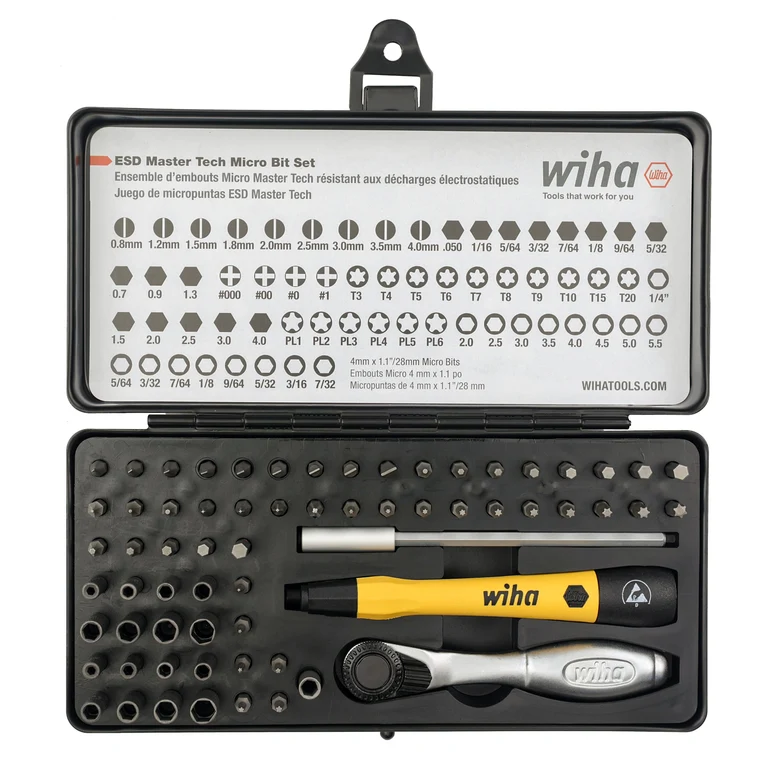
Homeownership in the United States comes with a host of responsibilities, not least of which is ensuring that your home’s electrical system is both safe and efficient. Many hazards and inefficiencies can develop over time, making it crucial to assess and upgrade your electrical infrastructure regularly. For those looking to tackle these essential home improvements, searching for the right Electrician tools is a common first step, as having the correct equipment is vital for both safety and successful outcomes.
Upgrading Electrical Panels for Modern Demands
One of the most significant upgrades any homeowner can make is modernizing the home’s electrical panel. Older panels may not handle today’s increased electrical loads, especially with the proliferation of smart home devices, high-powered appliances, and charging stations for electric vehicles. Upgrading to a higher-capacity panel reduces the risk of overloaded circuits and potential fire hazards. This upgrade also future-proofs your home, ensuring there’s enough power for expanding needs.
Installing Ground Fault Circuit Interrupters (GFCIs) and Arc Fault Circuit Interrupters (AFCIs)
Electrical safety standards have evolved, and today’s codes require GFCIs and AFCIs in many areas of the home. GFCIs are essential in kitchens, bathrooms, garages, and outdoor spaces where moisture is present. They prevent electric shocks by quickly shutting off power if an imbalance is detected. AFCIs, on the other hand, protect against electrical fires by detecting dangerous arc faults. Retrofitting older outlets and breakers with these safety devices is an upgrade that offers immediate peace of mind.
Replacing Outdated Wiring
Homes built decades ago may still have aluminum or knob-and-tube wiring, which can be hazardous. Modern copper wiring is far safer and more reliable, reducing the risk of overheating and fire. Rewiring a home is a substantial project, but it’s a critical upgrade for long-term safety and insurance compliance.
Improving Lighting Efficiency
Switching to LED lighting throughout the home is a simple yet impactful upgrade. LEDs consume far less energy than traditional incandescent bulbs and last significantly longer. Additionally, installing dimmer switches and smart lighting controls can further enhance efficiency and ambiance, allowing homeowners to customize lighting to their needs while saving on utility bills.
Surge Protection for the Whole House
Power surges—whether caused by lightning or utility fluctuations—can damage sensitive electronics and appliances. Whole-house surge protectors, installed at the main electrical panel, offer comprehensive defense against these spikes. This upgrade is increasingly important as homes fill with expensive, delicate electronics.
Additional Upgrades to Consider
- Smart thermostats: Upgrade to programmable or smart thermostats for precise climate control and energy savings.
- Dedicated circuits for major appliances: Prevent nuisance tripping and electrical overloads by ensuring heavy appliances have their own circuits.
- Backup generators or battery systems: Maintain essential power during outages and storms.
Ensuring your home’s electrical system is up-to-date with these essential upgrades not only protects your family but also increases your property’s value and efficiency. With the proper approach and by using the right tools for each task, homeowners can confidently address outdated systems, improve safety, and enjoy modern conveniences. Regularly reviewing and upgrading your electrical infrastructure is a proactive step every USA homeowner should prioritize, leading to safer, more efficient, and future-ready living spaces.