Favoring one leg while standing can change how body weight is distributed through the feet, hips, pelvis, and spine. When this habit happens repeatedly, it may contribute to muscle imbalance, uneven posture, stiffness, or discomfort, although it does not automatically mean that a spinal problem is present.
Many people shift onto one leg without noticing. It may feel more comfortable while waiting in line, talking with someone, working at a counter, or standing for long periods. Occasional weight shifting is normal, but consistently loading the same side can create a repeated movement pattern.
Why Do People Stand With More Weight on One Leg?
People may favor one leg because of comfort, habit, fatigue, or an underlying movement restriction. Sometimes the pattern begins after a foot, ankle, knee, or hip injury. In other cases, one side may feel stronger, more stable, or easier to balance on.
Daily routines can reinforce the habit. Standing at a kitchen counter, carrying a child on one hip, holding a work bag on the same shoulder, or leaning against a desk may all encourage uneven loading.
Pain can also influence the way a person stands. Someone with discomfort in one knee or hip may shift weight away from that side. A person with lower back stiffness may lean toward one leg because it temporarily reduces tension.
How Can Uneven Standing Affect the Pelvis?
The pelvis acts as a bridge between the lower body and the spine. When more weight is placed on one leg, one side of the pelvis may move higher, lower, forward, or backward depending on the person’s posture.
The muscles surrounding the hips and lower back then work differently to maintain balance. Some muscles may stay shortened or active for longer periods, while others may not contribute as effectively.
Over time, this can create a pattern in which the body becomes more comfortable in an uneven position. The person may begin to notice that one hip feels tighter, one side of the lower back becomes tired faster, or standing evenly feels unfamiliar.
Can Favoring One Leg Change Spine Alignment?
The spine naturally adapts to changes below it. If the pelvis repeatedly tilts or rotates while standing, the lower back may curve or rotate slightly to help keep the head and upper body balanced.
This does not mean that standing on one leg immediately causes permanent misalignment. The body is designed to adapt to different positions. The concern is more about repetition, duration, and whether the habit appears with pain, reduced mobility, or visible postural differences.
Spine alignment is influenced by many factors, including joint motion, muscle control, posture, previous injuries, activity level, and daily habits. A standing preference is only one part of the overall picture.
What Symptoms May Appear With Uneven Weight Distribution?
Some people may not experience any symptoms. Others may notice recurring tightness or fatigue in the lower back, hips, or legs.
Possible signs associated with uneven loading include:
- One hip feeling tighter than the other
- Lower back discomfort that is stronger on one side
- Uneven shoulder or hip height
- Difficulty standing with weight evenly distributed
- One leg feeling more stable than the other
- Stiffness after standing for extended periods
- Uneven shoe wear
- Discomfort during walking or climbing stairs
These signs do not confirm a specific condition. They may also relate to footwear, strength differences, joint restrictions, previous injuries, or other health concerns.
How Is This Pattern Evaluated?
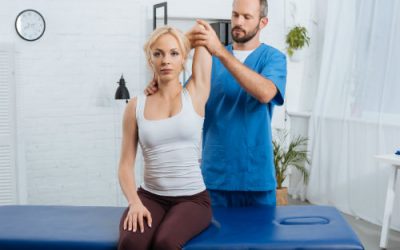
A chiropractor may begin by reviewing how long the pattern has been present, whether pain is involved, and which daily activities make it more noticeable. The evaluation may include standing posture, walking mechanics, spinal movement, hip mobility, balance, and muscle control.
The purpose is not simply to tell someone to “stand straighter.” A useful evaluation looks for the reasons the body may prefer one side.
Balanced Corrective Chiropractic explains that a chiropractic clinic may evaluate posture and spinal mechanics as part of an individualized care process. They may also consider whether joint restrictions, movement habits, or muscular compensation are contributing to the person’s symptoms.
Can Chiropractic Care Help With Postural Imbalances?
Chiropractic care may help address joint mobility, posture awareness, and movement patterns when those factors are contributing to discomfort or reduced function. Care may include chiropractic adjustments, postural guidance, mobility work, and exercises selected for the individual.
A chiropractor should base recommendations on examination findings rather than appearance alone. Two people may stand on one leg for different reasons and therefore need different approaches.
For example, one person may have limited ankle mobility, while another may have hip weakness or an old knee injury. Addressing the underlying factor is generally more useful than focusing only on the visible posture.
What Can You Do About the Habit?
Start by becoming aware of how you stand throughout the day. When possible, place both feet on the floor and distribute weight evenly without locking the knees.
Alternate the side used to carry bags, avoid resting the same hip against a counter, and take movement breaks during long periods of standing. Gentle walking and regular changes in position may help reduce fatigue.
Do not force a perfectly symmetrical posture if it causes pain. Persistent discomfort, weakness, numbness, or difficulty bearing weight should be evaluated appropriately.
When Should You Search for a Chiropractor Near Me?
Searching for a “chiropractor near me” may be appropriate when uneven standing is accompanied by ongoing back pain, hip discomfort, stiffness, altered walking, or reduced mobility. Westfield, NJ residents should look for a provider who evaluates the full movement pattern instead of making conclusions from posture alone.
A qualified chiropractor can help determine whether chiropractic care is suitable and whether another healthcare provider should be involved.
What Is the Main Takeaway?
Favoring one leg is common and is not always harmful. However, repeatedly loading the same side may affect the pelvis, surrounding muscles, and the way the spine adapts during standing.
Paying attention to posture, movement, and related symptoms can help identify when the habit may be more than a temporary preference. Schedule an evaluation with a local provider when uneven standing is persistent, uncomfortable, or beginning to interfere with everyday movement.