The gist:
• Mold remediation involves locating moisture sources, containing affected areas, removing contaminated materials, and verifying the space is clear before reoccupying it.
• Louisiana’s humidity makes Prairieville, LA properties especially prone to recurring mold issues without proper moisture control.
• Professional involvement is generally recommended once affected areas exceed roughly 10 square feet.
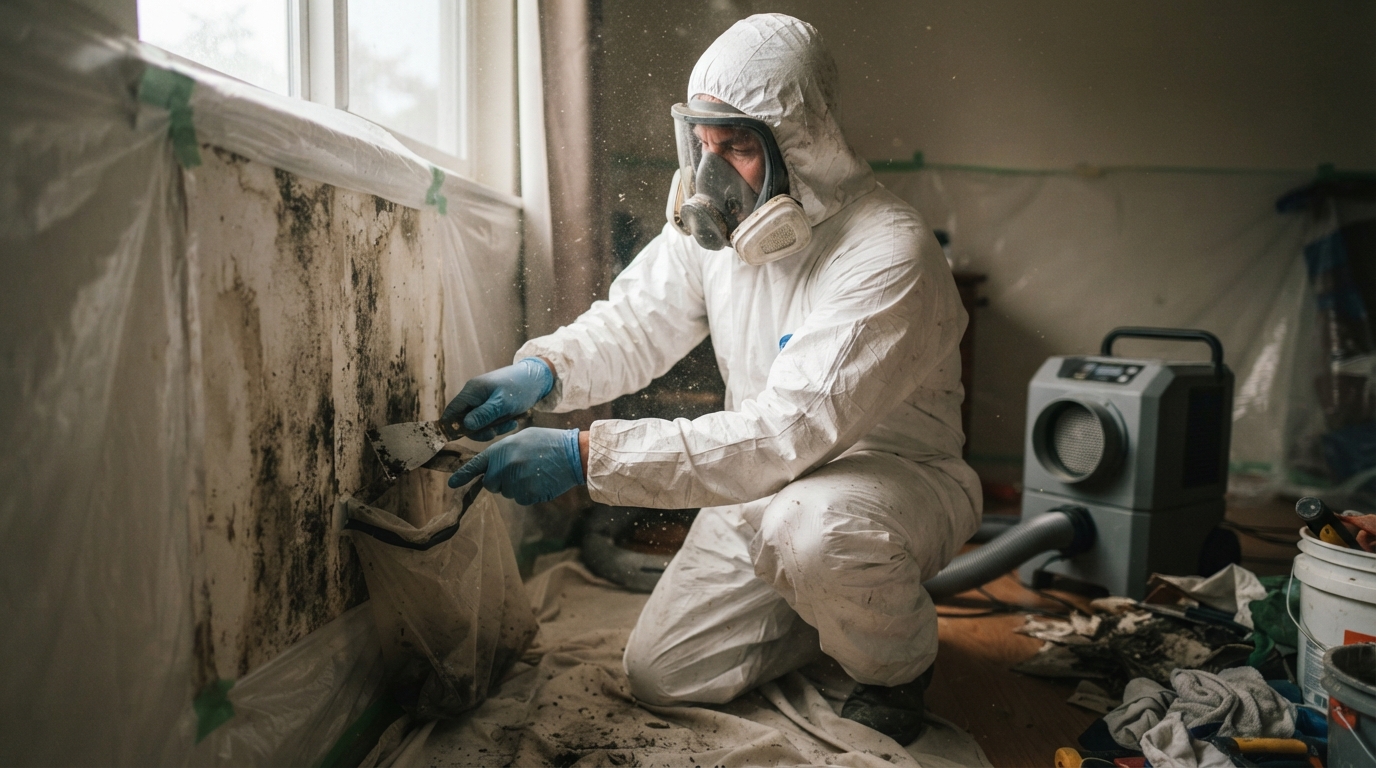
Mold remediation is the process of identifying moisture sources, containing contaminated areas, and safely removing mold-affected materials to restore a property to a mold-free condition. The goal is not just surface cleaning but addressing the underlying water problem so mold does not return.
Properties in mold remediation situations often involve more than visible staining, since spores can spread through HVAC systems and wall cavities before anyone notices a problem. Understanding the full scope of the process helps homeowners set realistic expectations for timelines, costs, and the steps a qualified contractor should follow.
Why Mold Takes Hold in Prairieville, LA Homes
Louisiana’s climate creates conditions that favor mold growth throughout much of the year. Louisiana’s humidity creates ideal conditions for mold growth, and left untreated, mold can spread quickly and impact indoor spaces. In Prairieville, LA specifically, seasonal rainfall and persistent humidity mean moisture intrusion from roof leaks, plumbing failures, or poor ventilation can turn into a mold problem within days rather than weeks.
Common contributing factors in the area include:
• Elevated indoor humidity from the region’s subtropical climate
• Slow-draining crawl spaces or foundations after heavy rain
• HVAC condensation that goes unaddressed in attics or ductwork
• Roof or window leaks that introduce moisture behind walls
Identifying the origin of moisture is critical to preventing mold from returning after remediation. Skipping this step is one of the most common reasons mold reappears after a cleanup attempt.
The Mold Remediation Process Step by Step
A sound remediation plan generally follows a sequence rather than jumping straight to removal.
1. Inspection and source identification — Professionals locate the moisture source before any physical work begins, since remediation performed without fixing the water problem tends to fail.
2. Containment — For areas exceeding 10 square feet, the EPA recommends plastic sheeting barriers and negative air pressure to keep spores from spreading to unaffected rooms.
3. Material removal — Porous materials that have absorbed mold, such as drywall or insulation, are typically removed and discarded rather than cleaned.
4. Drying and dehumidification — The space is dried thoroughly, since lingering moisture undermines the rest of the work.
5. Post-remediation verification — A visual inspection and, where warranted, air or surface sampling confirm clearance before the area is considered finished.
According to EPA guidance on mold cleanup, correcting the underlying moisture source is treated as a prerequisite step, not an afterthought, for any remediation effort to hold.
DIY Cleanup vs. Professional Remediation
Not every mold issue requires a licensed contractor, but size and location matter.
| Factor | Homeowner DIY | Professional Remediation |
| Affected area | Under about 10 square feet | Over 10 square feet or spreading |
| Location | Hard, non-porous surfaces | HVAC systems, wall cavities, porous materials |
| Equipment | Gloves, detergent, basic PPE | Containment barriers, air scrubbers, negative air pressure |
| Verification | Visual check | Post-remediation testing, documentation |
The EPA’s size threshold is a widely cited reference point: if the moldy area is less than about 10 square feet, in most cases the job can be handled without professional help, but a lot of water damage or mold growth covering more than 10 square feet calls for consulting a professional. Mold found inside HVAC systems is another situation where professional evaluation is typically recommended regardless of surface area.
Business Info
Based in Baton Rouge, LA, Bross Restoration serves property owners across Prairieville, LA who are dealing with moisture intrusion and mold-related concerns. The company’s remediation work focuses on identifying the moisture source, removing affected materials, and taking steps intended to prevent recurrence.
Frequently Asked Questions
How long does mold remediation typically take? Timelines vary by the extent of contamination, but projects in humid regions like Prairieville, LA commonly span several days to about a week once containment and drying are factored in.
Is mold damage covered by homeowners insurance? Coverage depends on the cause. Mold tied to a sudden, covered event such as a burst pipe is more likely to be covered, while mold from gradual leaks or long-term moisture problems is often excluded.
Can mold come back after remediation? Yes, if the original moisture source was not fixed. Addressing humidity, leaks, or ventilation issues alongside the physical cleanup is what prevents recurrence.
Does a small mold spot always need a professional? Not necessarily. Small, isolated spots on hard surfaces can sometimes be handled by a homeowner, but larger areas, HVAC contamination, or recurring mold typically call for a qualified contractor.
Mold remediation works best when it addresses both the visible contamination and the moisture source feeding it, rather than treating surface symptoms alone. Property owners in Prairieville, LA facing persistent humidity or recent water damage benefit from a methodical inspection before deciding whether a DIY approach or professional remediation fits the situation.
Current service area details for Click Here For Mold Remediation are published for property owners evaluating next steps.