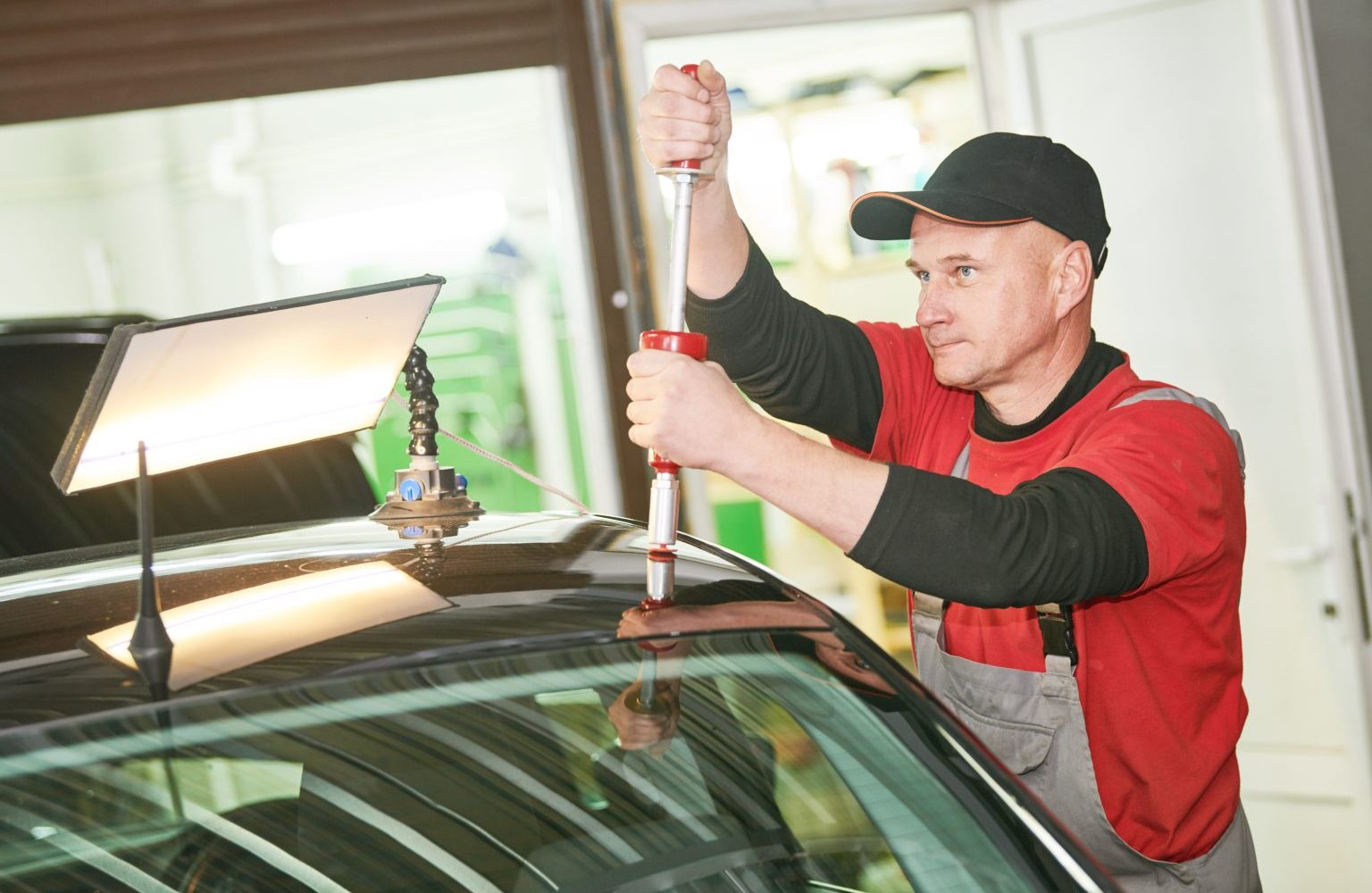
A windshield crack crossing a heated glass area may affect both the glass and its built-in heating components, depending on the vehicle’s design and the extent of the damage. While some cracks in heated windshields can be repaired, windshield replacement may be necessary if the damage is too extensive, affects critical glass layers, or compromises components that cannot be restored through conventional glass repair.
Heated windshield technology helps drivers maintain visibility by clearing frost, ice, or condensation from designated areas of the glass. Although this feature is particularly useful in colder climates, some vehicles driven in Mesa, Arizona, also have heated windshields or heated wiper areas as part of their factory equipment.
When a crack develops across one of these areas, the situation can be more complicated than an ordinary surface chip. Understanding how the heating system is incorporated into the glass can help vehicle owners recognize why a professional assessment matters.
What Is a Heated Windshield, and How Does It Work?
A heated windshield contains electrical components designed to warm part or all of the glass. Depending on the vehicle, these components may include fine conductive wires, specialized coatings, or heating elements concentrated in particular areas.
When activated, the system generates heat that helps clear moisture, frost, or ice.
Not every vehicle uses the same heating arrangement.
Fully Heated Windshields
Some vehicles contain fine heating elements distributed across much of the windshield. These elements are integrated into the glass assembly and help warm a broader viewing area.
The wires may be difficult to notice during ordinary driving, but their placement matters when evaluating damage.
Heated Windshield Wiper Areas
Other vehicles use a heating element near the bottom of the windshield, where the wiper blades rest.
This feature helps reduce ice accumulation around the parked wipers. It does not necessarily mean the entire windshield is heated.
Windshield Defrosters Are Different
A traditional windshield defroster uses warm air directed from the vehicle’s climate-control system toward the interior glass surface.
Unlike an electrically heated windshield, this arrangement does not necessarily include heating elements embedded in the glass.
Identifying which system the vehicle uses is important before assuming a crack has damaged an electrical component.
What Happens When a Crack Reaches the Heated Section?
The effect depends on the construction of the windshield and which glass layers are damaged.
Most passenger-vehicle windshields use laminated glass, consisting of glass layers bonded around a plastic interlayer. Heating components, when present, may be incorporated into the laminated assembly.
A crack can develop in the outer glass layer without necessarily damaging every component beneath it.
However, more extensive damage may reach areas containing heating wires or conductive materials.
Possible concerns include:
- A crack extending through a heated section of the windshield
- Damage affecting embedded electrical components
- Localized heating performance problems
- Reduced visibility caused by the crack
- Damage extending beyond the limits of an appropriate glass repair
A crack crossing a heated area does not automatically mean that the heating system has stopped working.
Similarly, a heating problem does not always mean that the glass itself is cracked. Electrical connections, controls, and other system components may also require evaluation.
These distinctions matter when deciding whether the windshield can be repaired or needs replacement.
Can a Crack Damage the Windshield’s Heating Elements?
Yes, although the outcome varies according to the heating system’s design.
Some heated windshields contain very fine conductive wires within the laminated glass. If physical damage interrupts a wire or conductive layer, a section of the heating system may stop operating as intended.
For example, a driver might notice that one portion of the windshield no longer clears condensation as effectively as the surrounding glass.
That observation could indicate a heating-system problem, but it does not confirm the cause.
A problem with a connector or another electrical component may produce similar symptoms.
Because heating elements may be integrated into the glass, repairing a crack does not necessarily restore a damaged electrical circuit.
A professional assessment should therefore consider both the physical glass damage and any reported heating malfunction.
Can Windshield Crack Repair Still Be Performed on Heated Glass?
In certain circumstances, yes.
A heated windshield is not automatically ineligible for repair simply because it contains electrical heating components.
The feasibility of repair depends on the type of damage, its location, the affected glass layers, manufacturer requirements, and whether the repair can be completed without compromising the windshield’s functionality.
For instance, a limited crack affecting only the outer glass layer may be a candidate for professional evaluation.
However, a crack involving deeper glass damage, a critical viewing area, or components that cannot be restored may require a different approach.
Vehicle owners considering Windshield crack repair should explain whether their vehicle has a heated windshield and where the damage is located.
The presence of heating equipment is one factor in determining the appropriate service, rather than an automatic reason to replace the entire windshield.
When Is Windshield Replacement More Appropriate?
Windshield Replacement may be recommended when the crack exceeds applicable repair limits, affects critical areas, or involves damage that cannot be appropriately corrected through conventional repair methods.
Several considerations influence that decision.
The Crack Extends Beyond a Repairable Area
A long or complex crack may not be suitable for repair, regardless of whether the windshield is heated.
Its length, depth, location, and condition all influence the assessment.
The Damage Affects Multiple Glass Layers
Certain windshield repairs are intended for damage limited to the outer glass layer.
If the crack extends into the interlayer or inner glass, replacement may be necessary.
Important Heating Components Are Damaged
When heating elements embedded in the glass are physically damaged, conventional crack repair may not restore their electrical function.
Depending on the vehicle’s design and manufacturer guidance, replacement may be required to restore the original heating capability.
The Crack Interferes With Visibility
A windshield can be unsuitable for continued use because of its impact on the driver’s view, even when the heating system continues operating.
Damage in a critical viewing area requires particular attention because optical distortion or persistent cracking may interfere with visibility.
The final decision should be based on the complete condition of the windshield rather than whether a single feature remains functional.
Can Using the Heated Windshield Make an Existing Crack Worse?
Temperature changes can influence stresses within automotive glass, especially when damage already exists.
Windshield glass expands and contracts as its temperature changes. Existing cracks can make the glass more vulnerable to further damage under certain conditions.
However, it would be inaccurate to claim that activating a heated windshield will always cause a crack to spread.
The outcome depends on factors such as the severity of the existing damage, temperature differences, glass construction, and vehicle design.
Drivers should also avoid assuming that a crack spreading during normal use proves the heating system caused the problem.
Other influences, including road vibration and existing damage characteristics, may contribute.
If a crack crosses an electrically heated area, the safest practical approach is to have the windshield evaluated and follow the vehicle manufacturer’s guidance rather than experimenting with heating settings.
How Can Drivers Tell Whether the Heating Feature Is Affected?
A visible crack alone does not establish whether the heating system has been damaged.
Depending on the vehicle, potential warning signs may include:
- A section of the windshield that does not clear as expected
- Uneven heating performance
- A heating feature that stops functioning
- An electrical warning associated with the system
- Visible damage near a heated section of the glass
These signs should be interpreted carefully.
For example, uneven condensation removal may occur for reasons unrelated to a broken heating element.
Likewise, an electrical issue may exist without any visible glass damage.
Drivers should provide the technician with both the location of the crack and a description of any changes in heating performance.
That information can help determine whether the problem involves the windshield, another electrical component, or both.
Why Does the Exact Windshield Specification Matter?
Modern vehicles may have several windshield configurations available for the same general model.
Two vehicles with similar exterior appearances may have different glass equipment.
One windshield may include integrated heating elements, while another may use a different arrangement. Additional equipment can include rain sensors, forward-facing cameras, or a heads-up display.
These differences matter during Car Windshield Replacement because the installed glass needs to match the vehicle’s applicable equipment and requirements.
A replacement windshield without the correct heating features may physically resemble the original while failing to support the same functions.
Accurate vehicle identification helps prevent this kind of mismatch.
What Vehicle Details Should Be Provided?
Useful information includes:
- Vehicle year
- Manufacturer and model
- Trim level, when applicable
- Vehicle Identification Number, if requested
- Whether the windshield has built-in heating
- Whether other windshield-mounted equipment is present
The VIN may help identify the vehicle configuration, although additional verification can sometimes be necessary.
Providing these details before replacement helps the technician determine which windshield assembly is appropriate.
Does a Heated Windshield Affect ADAS Recalibration?
A heated windshield does not automatically mean the vehicle requires ADAS recalibration.
However, some vehicles equipped with heated glass also have forward-facing cameras or other Advanced Driver Assistance Systems located near the windshield.
These systems can support features such as lane-related warnings, depending on the vehicle.
If a windshield containing camera-related equipment is replaced, recalibration may be required according to the manufacturer’s procedures.
The heating system and ADAS equipment serve different purposes, but both can influence the replacement process.
A technician should identify the vehicle’s applicable requirements rather than assuming every heated windshield has identical equipment.
This is especially relevant when replacing glass that incorporates multiple factory features within a single assembly.
Should Drivers Continue Using a Cracked Heated Windshield?
The answer depends on the damage and how it affects the vehicle.
A small, stable-looking crack may not produce an obvious driving problem, while more extensive damage can interfere with visibility or make continued use inadvisable.
Drivers should be particularly cautious when:
- The crack crosses the driver’s normal viewing area
- The damage appears to be expanding
- The windshield has multiple damaged sections
- The glass shows substantial distortion
- A heating or driver-assistance feature is malfunctioning
If visibility is impaired, the vehicle should not be driven until the problem has been appropriately addressed.
The fact that the windshield can still produce heat does not establish that the glass is safe or suitable for continued use.
Are Heated Windshields Relevant in Mesa, Arizona?
Yes, although not every Mesa driver has a vehicle equipped with one.
Some vehicles sold with heated windshield technology retain that equipment regardless of where they are eventually driven.
A vehicle originally purchased in a colder state, for example, may later be registered and driven in Arizona.
Drivers may also use their vehicles for trips to higher-elevation destinations where frost or freezing conditions occur.
The local climate does not change the windshield’s installed equipment.
For this reason, automotive glass professionals should identify the actual vehicle configuration rather than assuming heated glass is unnecessary because the vehicle is currently located in Mesa.
What Should You Tell an Auto Glass Technician About the Damage?
A useful description should cover both the crack and the windshield features.
Drivers can explain:
Where the crack is located: Describe whether it crosses the lower wiper area, extends through the main viewing area, or appears near another windshield-mounted component.
How the damage developed: Mention whether it began as a small impact mark or appeared as a longer crack.
Whether the glass has heating equipment: Provide any known information about the heated windshield or wiper area.
Whether the heating function has changed: Describe uneven clearing, loss of operation, or other noticeable symptoms.
Whether the vehicle has cameras or sensors: Identify visible equipment near the rearview mirror or elsewhere on the windshield.
Photographs may also help communicate the location and shape of the damage.
Drivers do not need to identify the exact electrical component involved. That assessment should be left to qualified automotive professionals.
What Should Drivers Remember About Cracked Heated Windshields?
A crack crossing a heated windshield area deserves attention, but it does not automatically require complete glass replacement.
The most important distinction is between damage that can be appropriately repaired and damage that affects deeper glass layers, visibility, or integrated components.
Repairing a crack and restoring a damaged heating element are not necessarily the same task.
Drivers should also recognize that the correct replacement windshield must match their vehicle’s equipment, particularly when heating features, cameras, or other integrated technology are present.
Whether a vehicle needs limited glass repair or full replacement, an accurate evaluation is the best starting point.
About Jay’s Autoglass
Jay’s Autoglass is a fully insured, owner-operated automotive glass company based in Mesa, Arizona, providing mobile windshield repair and replacement, other auto glass replacement, and ADAS recalibration when required. Drivers seeking information about damaged windshields can call or text (602) 413-2541 or Find their Mesa location on Google Maps.