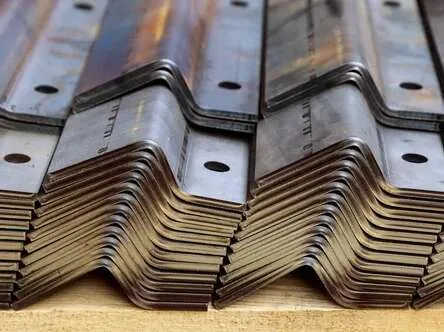
In today’s evolving manufacturing landscape, businesses are constantly seeking innovative ways to streamline production, reduce costs, and improve product quality. One of the most effective methods to achieve these objectives is through advanced metal forming processes. For manufacturers searching for high-accuracy, cost-effective solutions, Precision Metal Stamping has emerged as a top choice, delivering unmatched consistency and efficiency across various industries.
What is Precision Metal Stamping?
Precision metal stamping is a process that uses custom-designed dies and high-tonnage presses to transform flat metal sheets into complex, high-tolerance components. This technology enables the mass production of parts with exact specifications, ranging from simple brackets to intricate electronic connectors. The process is highly automated, which minimizes manual intervention, reduces errors, and ensures repeatability—key factors for manufacturers aiming to maintain strict quality standards.
Key Benefits of Precision Metal Stamping
Adopting precision metal stamping solutions offers a multitude of advantages for companies looking to enhance their manufacturing operations:
• Superior Accuracy and Consistency: Computer-aided design (CAD) and advanced tooling ensure parts are produced within tight tolerances, reducing the risk of defects and rework.
• Cost Efficiency: The high-speed, automated nature of the process leads to significant savings on labor and material costs, especially for large production runs.
• Design Flexibility: Precision metal stamping accommodates a wide range of materials and thicknesses, allowing for innovative part designs that meet specific application requirements.
• Scalability: Whether producing hundreds or millions of parts, the process scales efficiently, supporting both prototyping and full-scale production.
• Reduced Lead Times: Automated stamping lines accelerate production timelines, helping manufacturers respond quickly to market demands.
Applications Across Multiple Industries
Precision metal stamping is utilized in an array of sectors, demonstrating its versatility and reliability. Key industries include:
1. Automotive: Producing components such as brackets, clips, and electrical contacts with stringent quality requirements.
2. Electronics: Creating connectors, terminals, and shielding parts essential for modern devices.
3. Aerospace: Manufacturing lightweight, high-strength components that meet rigorous safety and performance standards.
4. Medical Devices: Delivering intricate, sterile parts for surgical instruments and diagnostic equipment.
5. Consumer Products: Fabricating durable metal parts for appliances, tools, and hardware.
Advancements Driving Manufacturing Efficiency
Recent technological advancements have further elevated the capabilities of precision metal stamping. Integration of automation, in-line quality monitoring, and real-time data analytics ensures minimal downtime and maximum output. Modern stamping facilities employ environmentally friendly practices, such as material recycling and energy-efficient machinery, aligning with the growing emphasis on sustainable manufacturing.
Choosing the Right Partner for Precision Metal Stamping
Selecting a domestic precision metal stamping provider offers several advantages, including streamlined communication, faster turnaround, and compliance with American manufacturing standards. U.S.-based suppliers are well-positioned to deliver reliable support, technical expertise, and consistent quality, making them ideal partners for manufacturers seeking to optimize their supply chains.
By leveraging the strengths of precision metal stamping, manufacturers across the United States can unlock higher productivity, better product quality, and greater competitiveness. As the demand for complex, high-performance components continues to grow, this technology stands out as a cornerstone of efficient, modern manufacturing.