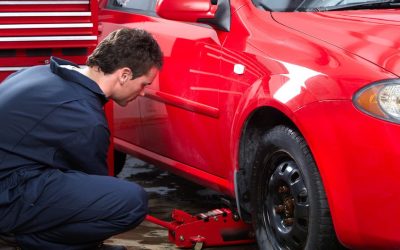
Tire rotation patterns differ because each drivetrain sends power through different wheels and places different demands on the front and rear axles. The correct pattern helps distribute wear more evenly, but manufacturer instructions, tire design, wheel sizes, and tire condition must guide the service.
Why Does Drivetrain Affect Tire Rotation?
Front tires handle steering and much of the braking workload, while the driven wheels transfer engine power to the road. Vehicle weight, cornering, acceleration, road conditions, and cargo can further affect each position.
A tire rotation service moves tires to new positions so one pair does not remain under the same demands for its entire service life. Rotation can support consistent handling and help drivers use the available tread more evenly.
Rotation is only one part of car maintenance. Correct inflation, tire balancing, alignment, and inspections also matter because moving the tires cannot correct every vibration or handling concern.
How Are Tires Rotated on a Front-Wheel-Drive Vehicle?
Front-wheel-drive vehicles send engine power through the front wheels. Those tires also steer the vehicle and carry a large share of braking forces.
A common pattern moves the front tires straight back. The rear tires cross as they move forward, meaning the left rear moves to the right front and the right rear moves to the left front.
This forward-cross pattern may not apply when a vehicle has directional tires, different front and rear sizes, or specific manufacturer instructions.
How Are Tires Rotated on a Rear-Wheel-Drive Vehicle?
Rear-wheel-drive vehicles send power through the rear wheels. The rear tires manage acceleration forces, while the front tires handle steering and much of the braking work.
A common pattern moves the rear tires straight forward. The front tires cross as they move back, with the left front moving to the right rear and the right front moving to the left rear.
This rearward-cross pattern redistributes demands between the steering and drive axles. Some trucks and performance vehicles have different tire sizes or load requirements, so the owner’s manual remains the deciding reference.
How Are Tires Rotated on an All-Wheel-Drive Vehicle?
All-wheel-drive systems deliver power to all four wheels, either continuously or when conditions require it. Maintaining similar tread depth and rolling circumference across the set can be especially important.
A common all-wheel-drive rotation uses an X-pattern. The left front goes to the right rear, the right front goes to the left rear, and the rear tires move diagonally to the front.
Not every all-wheel-drive vehicle uses the same pattern. Tire size, tread design, wheel position, and manufacturer requirements can change what is allowed.
When Can Tires Only Move Front to Back?
Directional tires are designed to rotate in one direction. Their sidewalls usually include an arrow showing the required direction of travel.
When all four directional tires are the same size, they generally move from front to rear on the same side. Crossing them would reverse the intended direction unless they were removed from the wheels and remounted.
Staggered setups create another limitation. If the rear tires are wider or a different size from the front tires, moving them between axles may not be possible.
Does a Tire Change Replace the Need for Rotation?
No. A seasonal tire change and a tire rotation serve different purposes. A changeover installs the set suited to the coming season, while rotation changes positions to manage the workload placed on each tire.
The two services may happen during the same appointment. Drivers should keep records of tire positions so the next installation follows the appropriate sequence.
A changeover also creates an opportunity to check pressure, tread depth, visible damage, and wheel condition.
Is Tire Balancing the Same as Tire Rotation?
No. Tire balancing corrects uneven weight distribution within a wheel-and-tire assembly. Small weights are added where needed so the assembly rotates more smoothly.
Rotation changes where each tire is installed. A vehicle may need rotation without balancing, balancing without rotation, or both. Vibration at certain speeds may suggest a balance concern, while rotation mainly redistributes positional demands.
Neither procedure replaces an alignment inspection when the vehicle pulls, the steering wheel is off-centre, or handling changes after a pothole or curb impact.
How Often Should Tires Be Rotated?
The vehicle owner’s manual and tire manufacturer guidance should determine the interval. Driving habits, road conditions, heavy loads, and seasonal changes may influence when service is appropriate.
Terrace, BC drivers should keep a maintenance record showing the date, distance, tire positions, pressure findings, and related work. Consistent records make it easier to follow the correct pattern.
Rain Coast Service Centre provides automotive maintenance in Terrace, BC, and their confirmed services include tire rotation, balancing, seasonal tire changes, wheel alignment, and related vehicle care.
The main rule is straightforward: rotation should match the drivetrain, tire design, wheel setup, and manufacturer instructions. Following the correct pattern supports consistent vehicle response and organized ongoing automotive maintenance.