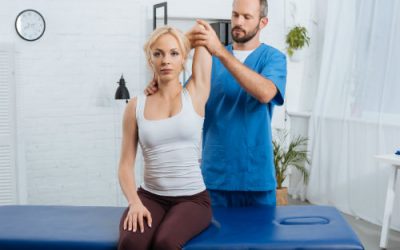
Weekend sports activities can place sudden stress on muscles, joints, and the spine, especially for individuals who spend most of the week sitting at desks or maintaining sedentary routines. Chiropractic care focuses on improving spinal mobility, joint movement, and musculoskeletal function, which may help reduce stiffness and discomfort after recreational physical activity.
Many adults in Redwood City, CA participate in activities such as running, cycling, hiking, tennis, golf, and recreational sports leagues during weekends. While physical activity supports overall health, sudden increases in movement intensity may lead to muscle tightness, joint restrictions, and post-activity stiffness when the body is not properly conditioned.
Why Does Stiffness Develop After Weekend Sports Activities?
Post-activity stiffness commonly occurs when muscles and joints experience physical demands they are not accustomed to handling regularly. Many people remain relatively inactive during the workweek and then engage in intense movement during weekends without gradual conditioning.
This pattern is sometimes referred to as “weekend warrior” activity. The body may struggle to adapt quickly to abrupt increases in movement, especially when flexibility, posture, or spinal mobility are already limited.
Several factors may contribute to stiffness after sports activities, including:
- Repetitive joint stress
- Poor posture during activity
- Muscle overuse
- Reduced spinal mobility
- Limited flexibility
- Inadequate warm-up routines
- Prolonged recovery time
The spine plays an important role in movement coordination and balance. When spinal joints do not move efficiently, surrounding muscles may compensate by working harder, increasing strain throughout the body.
How Does Chiropractic Care Support Recovery?
Chiropractic care focuses on restoring healthy joint motion and reducing mechanical stress within the musculoskeletal system. Chiropractic adjustments are commonly used to improve spinal alignment and mobility, which may help the body move more efficiently after physical activity.
When spinal joints become restricted, surrounding tissues may become tight or irritated. Restricted movement patterns can also alter posture and place uneven stress on muscles during sports activities.
Chiropractic treatment may help support recovery by:
- Improving spinal mobility
- Reducing joint restrictions
- Supporting flexibility
- Decreasing muscular tension
- Promoting more balanced movement patterns
Many individuals seek chiropractic services after experiencing recurring stiffness that develops following recreational sports or exercise routines.
Which Weekend Activities Commonly Lead to Stiffness?
Almost any repetitive or high-impact activity may contribute to post-activity stiffness, especially when movement patterns are limited or conditioning is inconsistent.
Common activities associated with sports-related stiffness include:
Running and Jogging
Running places repetitive force on the spine, hips, knees, and ankles. Poor running mechanics or limited spinal mobility may increase strain on the lower back and surrounding muscles.
Cycling
Cycling often involves prolonged forward posture, which may place stress on the neck, shoulders, and lower back. Riders frequently experience tightness after long rides due to sustained spinal positioning.
Golf
Golf requires rotational movement throughout the spine. Limited spinal flexibility may increase strain on the lower back and shoulders during repetitive swings.
Tennis and Pickleball
Rapid side-to-side movement and repetitive arm motion can place stress on the neck, shoulders, and spinal joints.
Hiking
Uneven terrain and prolonged walking may contribute to hip tightness, lower back strain, and joint fatigue.
People participating in these activities often seek chiropractic care when stiffness begins interfering with movement or daily comfort.
What Is the Difference Between Normal Soreness and Joint Dysfunction?
Mild muscle soreness after physical activity is common and often resolves naturally within a few days. However, recurring stiffness or discomfort that repeatedly returns after activity may indicate underlying movement dysfunction.
Signs that spinal or joint issues may be contributing include:
- Reduced range of motion
- Recurring neck or back tightness
- Pain that worsens with activity
- Uneven posture
- Joint stiffness that persists for several days
- Discomfort during bending or twisting movements
When spinal joints are not moving properly, surrounding muscles often compensate by tightening to protect the affected area. Over time, this compensation may create recurring patterns of stiffness and limited mobility.
Can Chiropractic Services Improve Athletic Mobility?
Mobility plays a major role in physical performance and recovery. Limited spinal movement may affect posture, balance, flexibility, and coordination during activity.
Chiropractic services are commonly used to help improve overall movement efficiency by supporting proper joint function throughout the spine and extremities.
For active adults, improved mobility may contribute to:
- Better posture during activity
- Improved flexibility
- Reduced mechanical strain
- More balanced movement patterns
- Greater comfort during exercise
Some individuals also incorporate stretching, strengthening exercises, and ergonomic modifications into their recovery routines to help maintain spinal health between activities.
Individuals looking for conservative spine and joint care options may benefit from working with a licensed chiropractic partner in Redwood City, CA, experienced in evaluating movement-related discomfort and spinal stress.
Why Are Sedentary Workweeks a Contributing Factor?
Many adults spend most of their weekdays sitting for prolonged periods before suddenly increasing activity levels during weekends. Extended sitting may reduce spinal mobility, tighten hip muscles, and weaken postural support systems.
This combination may leave the body less prepared for sudden physical demands.
Poor posture during desk work can also increase tension throughout the neck and lower back, making the spine more vulnerable to strain during sports activities.
Regular movement throughout the workweek may help improve flexibility and reduce the physical shock associated with abrupt weekend exercise routines.
When Should Someone Seek Chiropractic Treatment?
Occasional soreness after physical activity is common, but recurring stiffness should not be ignored.
Individuals may consider chiropractic treatment when experiencing:
- Repeated stiffness after activity
- Limited mobility
- Neck or lower back discomfort
- Persistent muscle tightness
- Reduced flexibility
- Discomfort that affects exercise performance
Early evaluation may help identify movement limitations before they contribute to chronic joint stress or recurring injuries.
Supporting Long-Term Movement and Recovery
Weekend sports and recreational activities can benefit overall health, but repetitive strain and limited spinal mobility may contribute to recurring stiffness if the body is not functioning efficiently.
Chiropractic care focuses on improving spinal motion, supporting joint function, and helping individuals maintain healthier movement patterns over time. For active adults experiencing recurring stiffness after physical activity, conservative chiropractic treatment may provide an effective approach to improving mobility and reducing mechanical strain.