The automotive industry in the United States has undergone remarkable transformation over the past few decades, with advancements in manufacturing processes playing a pivotal role. Today, carmakers are under increasing pressure to deliver higher quality vehicles at a faster pace while minimizing costs and waste. Among the innovations driving this evolution, one process stands out for its ability to combine precision, scalability, and speed. Many manufacturers and industry professionals searching for ways to enhance production turn to Automotive Stamping as a key solution for streamlining car manufacturing and achieving greater efficiency.
The Basics of Automotive Stamping
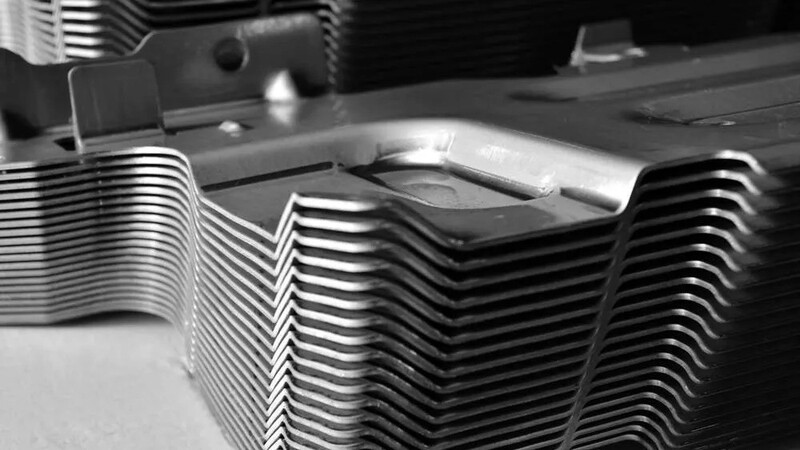
Automotive stamping is a manufacturing process that uses dies and presses to shape flat metal sheets into specific forms required for vehicle components. This process is fundamental in producing a wide range of parts, from body panels to structural supports, with consistency and accuracy. Stamping can involve several techniques, including blanking, piercing, bending, and forming, all tailored to create precise shapes based on digital designs.
This method offers distinct advantages over traditional manual fabrication or machining, such as:
• Consistency: Each part is produced to exact specifications, ensuring uniformity across thousands of units.
• Speed: High-speed presses can produce hundreds of parts per minute, significantly reducing production times.
• Cost-effectiveness: The ability to use large coils of metal and automate processes lowers both material and labor costs.
Enhancing Efficiency in US Car Manufacturing
The adoption of advanced stamping technologies enables American automakers to meet the demands of modern vehicle production. Here’s how automotive stamping contributes to a more efficient manufacturing environment:
1. Accelerated Production Cycles
High-speed stamping presses, coupled with automated material handling systems, drastically shorten the time required to produce vehicle components. Instead of relying on slower, more labor-intensive processes, manufacturers can now fabricate large quantities of parts with minimal human intervention. This acceleration facilitates faster assembly line operations and helps meet tight deadlines.
2. Improved Material Utilization
Modern stamping processes are designed to minimize material waste by optimizing the layout of parts on each metal sheet. Computer-aided design (CAD) and computer-aided manufacturing (CAM) systems allow engineers to nest components efficiently, reducing scrap and lowering raw material costs. This not only supports sustainability initiatives but also directly impacts a manufacturer’s bottom line.
3. Enhanced Design Flexibility
As vehicle designs become more complex, manufacturers need the ability to quickly adapt and produce new parts. Automotive stamping allows for rapid tooling changes and the integration of new dies, enabling automakers to respond swiftly to evolving market trends or regulatory requirements. This agility is essential in an era where customization and innovation are paramount.
4. Superior Quality and Precision
The use of advanced stamping equipment ensures that each component meets strict quality standards. Sensors and real-time monitoring systems detect defects early in the process, allowing for immediate corrections and reducing the likelihood of costly rework. Consistent part quality contributes to overall vehicle safety, performance, and consumer satisfaction.
5. Integration with Automation and Robotics
Automotive stamping works seamlessly with robotic systems, which handle tasks such as loading, unloading, and part inspection. This integration further reduces the need for manual labor, lowers the risk of workplace injuries, and maintains high productivity levels around the clock. Automation also enables data collection and analysis, supporting continuous improvement initiatives.
Key Technologies Driving Stamping Efficiency
Several technological advancements have propelled automotive stamping to the forefront of manufacturing innovation:
• Servo-driven Presses: These machines offer precise control over speed and force, allowing for more intricate shapes and thinner materials without compromising strength.
• Progressive Die Stamping: This technique combines multiple operations into a single press cycle, producing finished parts in one pass.
• High-strength Materials: The use of advanced alloys and lightweight metals requires specialized stamping techniques, helping automakers build safer and more fuel-efficient vehicles.
The Broader Impact on the US Automotive Industry
The widespread adoption of automotive stamping has ripple effects throughout the supply chain and the broader economy. By improving manufacturing efficiency, automakers can reduce production costs, pass savings onto consumers, and remain competitive in the global market. Additionally, efficient stamping processes support the growing trend toward electric vehicles, which often require unique, lightweight components produced at scale.
Maximizing Value Through Continuous Improvement
To fully leverage the benefits of automotive stamping, manufacturers invest in ongoing training, equipment upgrades, and process optimization. By fostering a culture of continuous improvement, companies can adapt to emerging technologies and shifting market demands. Collaboration with suppliers and technology partners further enhances the capabilities and reach of stamping operations.
In summary, automotive stamping is revolutionizing the way vehicles are built in the United States. By enabling faster, more precise, and cost-effective production, this technology plays a critical role in helping carmakers meet the challenges of today’s market. As the industry continues to evolve, stamping will remain a cornerstone of efficient, high-quality automotive manufacturing.