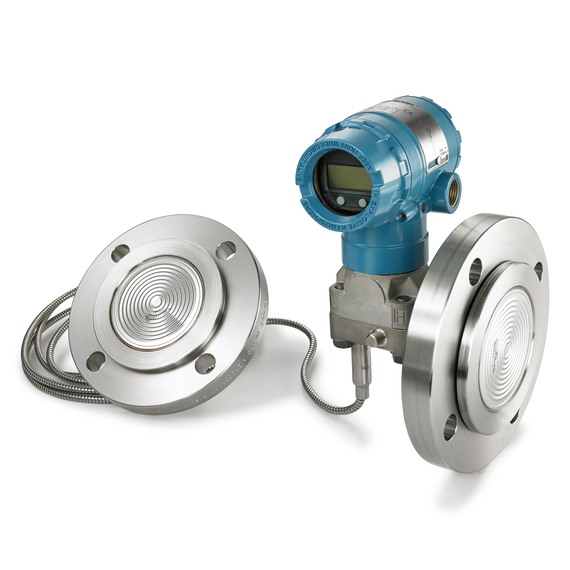
In today’s competitive industrial landscape, precision and reliability are vital for maintaining efficient operations. Across the United States, industries from oil and gas to pharmaceuticals seek advanced solutions to monitor and control their critical processes. For those searching for dependable instrumentation, a Rosemount Pressure Transmitter is a popular choice for enhancing process accuracy and consistency. This device has become a trusted tool for engineers and plant managers aiming to optimize performance and reduce operational risks.
The Importance of Accurate Pressure Measurement
Industrial processes often depend on maintaining specific pressure levels to ensure safety, product quality, and regulatory compliance. Inaccurate readings can lead to equipment failure, safety hazards, and costly downtime. Pressure transmitters play a crucial role by providing real-time data, enabling operators to make informed decisions and maintain optimal conditions.
Traditional analog gauges and older sensors may not provide the level of accuracy modern industries require. This is where advanced digital transmitters step in, offering superior performance, reliability, and integration with automated control systems.
Key Features Driving Improved Accuracy
A major reason for the widespread adoption of advanced pressure transmitters in the U.S. is their suite of innovative features. These capabilities are designed to address the unique challenges faced by industries nationwide:
- High Precision Sensing: Advanced transmitters utilize cutting-edge sensor technology to deliver highly accurate pressure readings, even in demanding environments.
- Digital Signal Processing: By converting analog signals into precise digital data, these devices minimize errors caused by signal noise or drift.
- Temperature Compensation: Fluctuations in temperature can affect sensor readings. Built-in compensation algorithms ensure consistent accuracy, regardless of environmental changes.
- Self-Diagnostics: Modern transmitters continually assess their own health, alerting operators to potential issues before they become critical.
- Easy Integration: Compatibility with standard industrial communication protocols allows seamless connection to control systems and data networks.
These features collectively enhance process reliability and provide actionable insights for proactive maintenance and process optimization.
Benefits for American Industries
Industries across the USA have realized significant advantages by implementing advanced pressure transmitters. Some of the most notable benefits include:
- Enhanced Product Quality: Consistent pressure control leads to uniform output, reducing waste and improving final product standards.
- Increased Safety: Accurate readings help prevent dangerous overpressure situations, protecting both personnel and equipment.
- Reduced Downtime: Early detection of process anomalies enables timely intervention, minimizing unplanned shutdowns.
- Regulatory Compliance: Reliable data supports adherence to strict industry regulations, helping companies avoid fines and penalties.
- Operational Efficiency: Real-time monitoring and integration with automation systems streamline operations and reduce manual intervention.
These benefits translate to improved profitability and long-term sustainability for American manufacturers and process industries.
Supporting Modern Industrial Demands
As industries continue to evolve, the demand for smarter, more connected instrumentation grows. Advanced pressure transmitters are designed to support digital transformation initiatives, enabling remote monitoring, predictive maintenance, and data-driven decision-making. Their robust construction and adaptability make them suitable for diverse applications, from chemical plants to water treatment facilities.
In summary, leveraging advanced pressure transmitter technology is a strategic investment for organizations seeking to boost accuracy, reliability, and efficiency. With features tailored to meet the needs of American industries, these devices have established themselves as essential tools for maintaining competitive advantage and driving operational excellence.