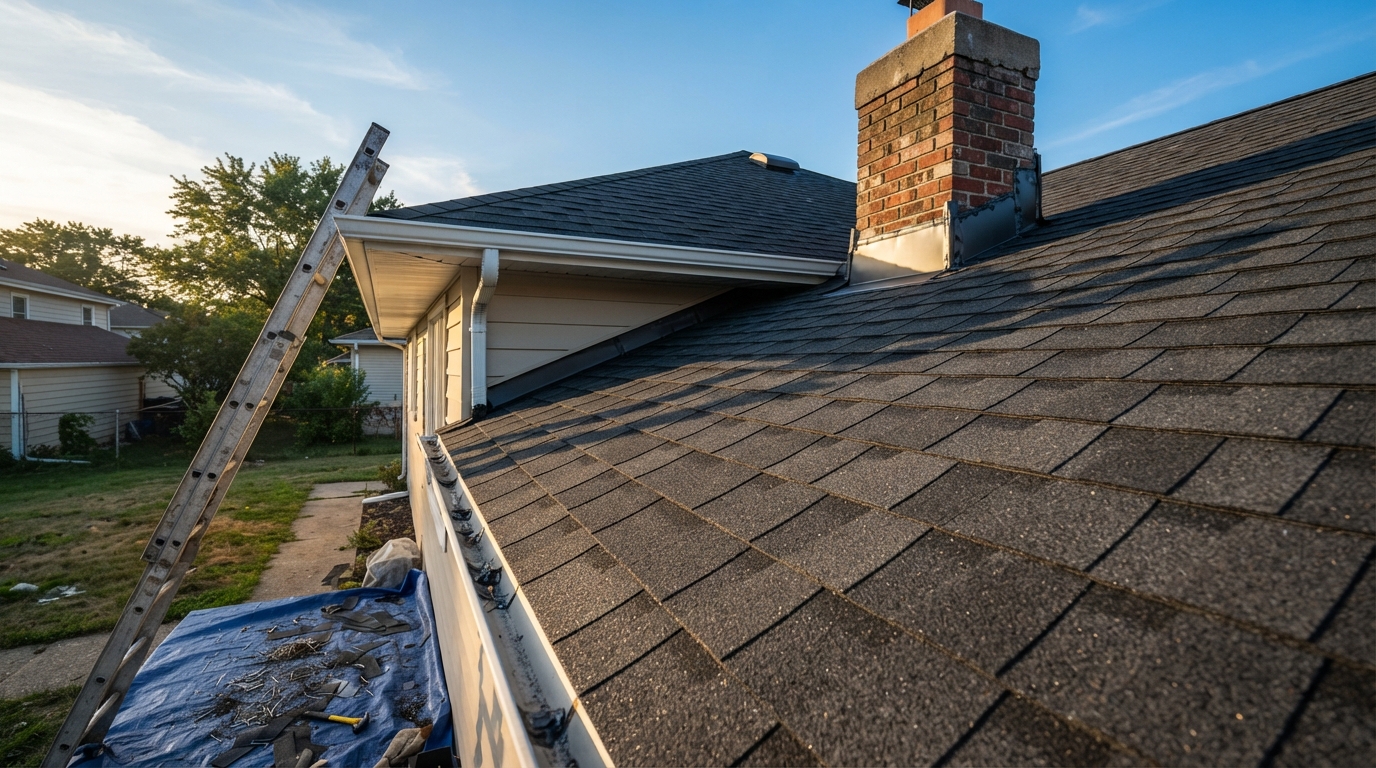
A home’s roof is one of its most important protective systems, so prospective buyers should understand its condition, age, materials, repair history, and remaining service expectations before purchasing. In Peoria, AZ, asking detailed roofing questions can help buyers better understand the property and identify issues that may warrant further professional evaluation.
A roof can look sound from the ground while still having concerns that are not immediately visible. Roofing materials, previous repairs, drainage details, penetrations, flashing, and underlying components can all influence how a roof performs over time. For that reason, a roof should be considered as part of the home’s overall condition rather than simply an exterior feature.
What Is the Age of the Existing Roof?
One of the first questions a prospective homeowner should ask is when the current roofing system was installed. Knowing the approximate installation date provides context for evaluating its current condition and anticipating future maintenance or repair needs.
Buyers should ask whether the seller has documentation showing when the roof was installed or replaced. In some cases, records may include contractor invoices, permits, inspection reports, warranties, or other project documentation.
Age alone does not determine whether a roof needs attention. A well-maintained roofing system may perform differently from another roof of the same age that has experienced repeated problems. The age should therefore be considered alongside the roof’s current condition and repair history.
What Roofing Material Is Installed?
A buyer should identify the type of roofing system covering the home. Common residential systems can include shingles, tile, coatings, and foam, among other materials.
The material matters because different systems have different construction characteristics, maintenance considerations, and methods of addressing damaged areas. A buyer who knows what is installed can ask more specific questions during the inspection process.
Tile roofing, for example, has different visible components and installation details than a shingle roof. Coating and foam systems also have their own surface and drainage considerations.
The goal is not to determine which material is universally best. Instead, buyers should understand what is already installed and whether its current condition appears appropriate for the property.
Has the Roof Been Repaired Before?
Previous repairs can provide useful information about the history of a roofing system. Buyers should ask whether the roof has experienced leaks, storm-related damage, damaged materials, or other issues that required professional attention.
It is also useful to ask what areas were repaired and whether documentation is available. A record showing where work was performed can provide context that may not be obvious during a visual inspection.
Repeated repairs in the same general area may warrant additional attention. They do not automatically mean the entire roof requires replacement, but they can indicate that the underlying cause deserves closer evaluation.
Are There Signs of Water Intrusion?
Water intrusion is an important consideration when evaluating a home. Buyers should look for visible staining on ceilings or walls, discoloration around roof penetrations, deteriorated exterior materials, or other signs that moisture may have entered the structure.
Interior evidence does not necessarily identify the exact source. Water can travel through building components before becoming visible inside the home.
This is why a potential water stain should be investigated rather than assumed to originate directly above the visible area. A professional roofing evaluation can help determine whether the roof should be considered as a possible source.
What Should Buyers Ask About Previous Roof Repairs?
A useful conversation should go beyond asking whether the roof has ever been repaired. Buyers can ask:
- What area was repaired?
- When was the work completed?
- What type of roofing material was involved?
- Was the repair related to a leak or another condition?
- Is documentation available?
- Were any surrounding components replaced or addressed?
These questions can help distinguish isolated maintenance from a history of recurring concerns.
For buyers researching roofing professionals in the area, they may also review services provided by Residential roofing contractors when seeking a professional perspective on a property’s roofing condition.
Are the Roof Valleys and Drainage Areas in Good Condition?
Roof valleys are areas where two sloping roof sections meet and where runoff is concentrated. Their condition can be particularly relevant when evaluating a home’s water-management system.
Buyers should also consider gutters, downspouts, roof edges, and other drainage components. Water needs a defined path away from the roofing surface and the home’s exterior.
A roof with multiple slopes or complicated architectural sections may have several areas where water changes direction. These transitions should be considered during a professional evaluation.
Drainage problems are not always obvious during dry weather. A roof can appear normal while still having areas that deserve closer examination based on its design and condition.
Does the Roof Have Proper Ventilation?
Roof ventilation can influence the conditions within an attic or roof assembly. Buyers should ask whether the home has an established ventilation system and whether its components appear to be functioning as intended.
Ventilation should be evaluated as part of the overall roof design rather than as an isolated feature. The roof’s configuration, attic arrangement, intake locations, and exhaust components can all affect how the system operates.
For a prospective buyer, the important question is whether ventilation has been appropriately incorporated into the property’s roofing assembly and whether there are visible concerns that require further professional evaluation.
Are There Signs of Previous Storm Damage?
Peoria and the broader West Valley experience changing weather conditions throughout the year, so buyers may want to ask whether the property has experienced previous storm-related roofing damage.
Questions about past damage should focus on what occurred and what work was subsequently performed. If the seller has documentation, buyers can review records to better understand the scope of previous repairs.
Visible damage should also be evaluated professionally rather than judged solely from the ground. Roofing concerns can involve components that are difficult to assess without appropriate experience and access.
Does the Roof Have Areas Around Penetrations That Need Attention?
Roof penetrations include features such as plumbing vents and other components that extend through the roofing system. These areas require appropriate integration with the surrounding roof materials.
During a property inspection, buyers should pay attention to visible conditions around these features. Signs of deterioration, staining, or gaps may warrant additional investigation.
The presence of a roof penetration is not itself a defect. The relevant question is whether the surrounding roofing components appear to be functioning properly and whether there is evidence of moisture intrusion or deterioration.
Should Buyers Ask for Roofing Documentation?
Yes. Documentation can provide valuable context about a home’s roofing history.
Depending on the property, buyers may be able to review:
- Installation records
- Repair invoices
- Inspection documentation
- Permit records
- Product information
- Warranty documents
- Previous contractor reports
Documentation can help establish what work was performed and when. It can also give a buyer useful information to discuss with an inspector or roofing professional.
For homes in Peoria, buyers can also review available property and building records when appropriate. Documentation should supplement—not replace—a professional assessment of the roof’s present condition.
Is a General Home Inspection Enough to Evaluate the Roof?
A general home inspection can provide important information about the property’s overall condition, but buyers with specific roofing concerns may benefit from additional evaluation by an appropriately qualified roofing professional.
This is especially relevant when the inspection identifies visible roofing damage, signs of water intrusion, unusual roof configurations, or areas that require closer examination.
The purpose of an additional evaluation is not necessarily to determine that major work is needed. It is to obtain more information about the condition and performance of the roofing system before making a significant property decision.
What Should Buyers Consider About Future Roofing Costs?
Buyers should consider the roof’s current condition alongside the potential for future maintenance and repairs. A roof that is functioning properly today may still require attention later based on its age, material, exposure, and condition.
Rather than relying on a single number or generalized lifespan estimate, buyers should consider the actual roofing system installed on the property.
For example, two homes with similar construction dates may have very different roofing histories. One may have undergone significant repairs or replacement, while another may retain its original system.
Understanding those differences can help buyers make more informed decisions about the property as a whole.
What Questions Should Be Asked Before Closing?
A focused roofing discussion can include questions such as:
- How old is the current roof?
- What roofing material is installed?
- Has the roof been repaired or modified?
- Are records of previous work available?
- Have there been previous leaks?
- Are there visible signs of water intrusion?
- How are the valleys and drainage areas performing?
- Are roof penetrations properly integrated?
- Does the roof have a ventilation system?
- Does the roofing system warrant additional professional evaluation?
The answers can help a buyer understand the roof beyond its appearance.
Why Does the Roof Matter When Buying a Home in Peoria?
A roof affects the home’s protection from weather, water management, and long-term property maintenance. In the West Valley, where many homes feature different roof configurations and materials, understanding the existing system is particularly useful during the buying process.
A buyer does not need to become a roofing expert. Instead, the goal is to ask informed questions, review available documentation, and obtain professional input when the property’s condition raises concerns.
A careful roofing assessment can also help separate minor maintenance considerations from conditions that may require more substantial professional attention.
What Is the Best Approach for Evaluating a Home’s Roof?
The most useful approach combines documentation, a general property inspection, and professional roofing evaluation when appropriate. Buyers should look at the roof’s age and material while also considering its visible condition, drainage, previous repairs, and potential areas of water intrusion.
The key is to evaluate the roofing system as a complete assembly rather than focusing on one visible component. This gives prospective homeowners a clearer understanding of what they are purchasing and what roofing considerations may arise after closing.
About Skye Builders
Skye Builders is an Arizona-licensed roofing company serving both residential and commercial properties, with roofing systems that include shingle, tile, coating, and foam. Based in the Arizona market, they can be reached at (602) 350-3075, and prospective customers can Find their office on Google Maps for location information.