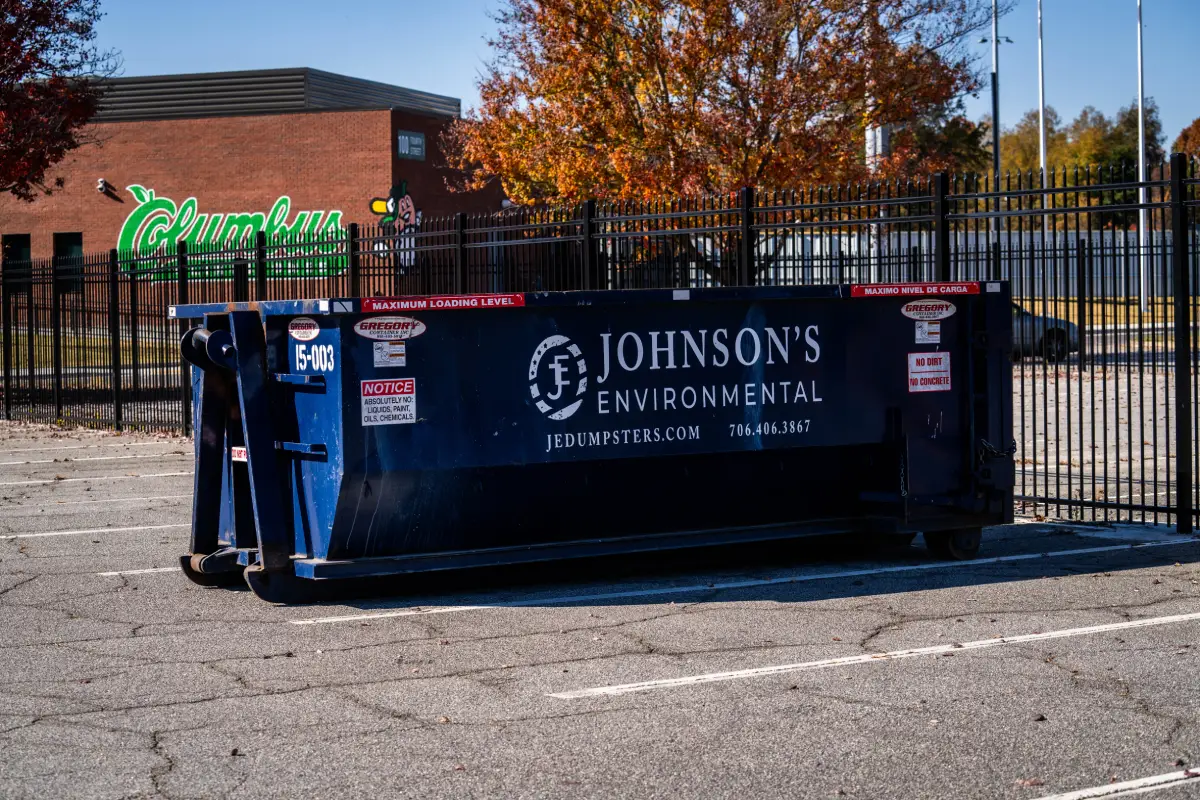
Planning a Dumpster Rental for a multi-phase project means matching container availability with the stages that will generate debris rather than treating the entire project as one continuous cleanup. For projects in Glendale, AZ, contractors can plan more effectively by identifying when debris volume will increase, when it will decrease, and how job-site access may change between phases.
A project may involve preparation, removal, construction, installation, and finishing work. Each stage can create different debris needs, making timing an important part of Construction Dumpster Rental planning.
Why Do Different Project Phases Affect Dumpster Needs?
Debris generation is rarely consistent from the first day of a project through the last. Early work may produce substantial amounts of drywall, wood, flooring, cabinetry, packaging, or other approved materials, while finishing stages may generate much less.
This means a dumpster that is heavily used during one phase could see limited use during another.
Before arranging a rental, review the project schedule and identify the stages most likely to generate significant debris. This creates a clearer picture of when the container will provide the most value.
The objective is not simply to keep a dumpster on-site for the entire project. It is to align the rental with the periods when the container is actually needed.
When Should the Construction Dumpster Arrive?
The dumpster should generally arrive close to the beginning of debris-producing work. If the first stage consists primarily of measurements, inspections, material deliveries, or other activities that generate little debris, immediate delivery may not be necessary.
If the project begins with substantial material removal, earlier delivery may make more sense.
Contractors should also consider what else is scheduled around the delivery date. Work vehicles, equipment, and incoming materials can affect access to the intended container location.
Planning the arrival around both debris generation and job-site activity can help the Construction Dumpster fit more naturally into the project’s workflow.
Should One Dumpster Stay Through Every Phase?
Not necessarily. Whether one container remains appropriate depends on the length of the project, rental terms, debris volume, available capacity, and how the property will be used as work progresses.
Some projects may benefit from continuous access to a dumpster. Others may have periods when very little debris is generated.
For example, there may be substantial debris during an early project phase, followed by a period focused on installation. Keeping the original container throughout that slower period may not always match the project’s changing needs.
Contractors can reassess the rental at major transitions rather than assuming the original arrangement must continue unchanged.
How Can Contractors Estimate Needs for Each Phase?
Start by reviewing what type of work will happen during each stage and what materials are expected to leave the site.
The first phase might produce drywall, flooring, cabinets, wood, or other bulky materials. A later phase could generate packaging, cutoffs, and smaller amounts of construction debris.
The goal is not to predict every individual item. Instead, estimate whether each stage will produce low, moderate, or high debris volume.
This makes it easier to determine when Dumpsters are most likely to fill and whether additional service may be necessary before the next phase begins.
How Can Access Change During a Multi-Phase Project?
Job-site layouts often change as work progresses. An open driveway during the first week could later become an unloading area for materials. Equipment may arrive, additional trades may begin work, or temporary storage could occupy previously available space.
A Construction Dumpster should therefore be planned around more than its initial placement.
Contractors should consider whether the access route will remain available during later project stages. A location that works well initially may become inconvenient once other activities begin.
Reviewing future phases before delivery can help identify potential access conflicts early.
What Happens When One Phase Produces More Debris Than Expected?
Project estimates can change once work begins. If one stage generates more debris than anticipated, available dumpster capacity may become limited before the next phase starts.
Contractors should monitor the container as work progresses rather than waiting until it can no longer accommodate additional approved materials.
If another debris-heavy phase is approaching, scheduling service before that work begins may help maintain capacity. The provider can explain available options based on the rental arrangement and project schedule.
The next phase should also be evaluated independently. A project does not necessarily need the same dumpster arrangement throughout every stage.
How Should Multiple Trades Be Included in the Plan?
Different trades may generate debris at different times. Contractors should know which crews will use the construction dumpster rental and approximately when they will need it.
This becomes especially important when trades overlap. One crew could use substantial container capacity shortly before another debris-producing phase begins.
Communicating expectations can help keep the dumpster aligned with the broader project schedule. Crews should also understand which materials are accepted rather than assuming every material belongs in the same container.
When Should the Dumpster Be Removed?
Removal should reflect the project’s debris timeline rather than simply the overall completion date.
If significant debris-producing work is finished but installation or finishing work will continue for several weeks, the original dumpster may no longer be necessary. Conversely, removing it too early could leave later crews without adequate debris capacity.
Review the remaining scope before scheduling final removal. Consider what work is unfinished, which trades are still scheduled, and how much additional debris is expected.
For multi-phase projects in Glendale, AZ, effective dumpster rental planning comes down to matching the container schedule with actual debris-producing work.
Planning multiple project phases? Coordinate your construction dumpster rental around debris volume, job-site access, and the work schedule.